Illicit Tobacco and Vapes Flood Australian Service Stations: ‘Organised, Sophisticated and Resilient’ Crime Rings Exposed in Nationwide Raids
- Over 100 service stations across Australia raided in massive operation to combat illicit tobacco and vapes
- Intelligence suggests Metro Petroleum service stations were allegedly involved in the sale of illicit tobacco, with dozens of stores targeted
- NSW Health Minister Ryan Park warns of a ‘multifaceted’ concern, citing the significant price difference between legal and illicit tobacco as a driver of the black market trade
Australia’s service stations have become a hub for illicit tobacco and vapes, with a massive nationwide operation uncovering the extent of the problem.
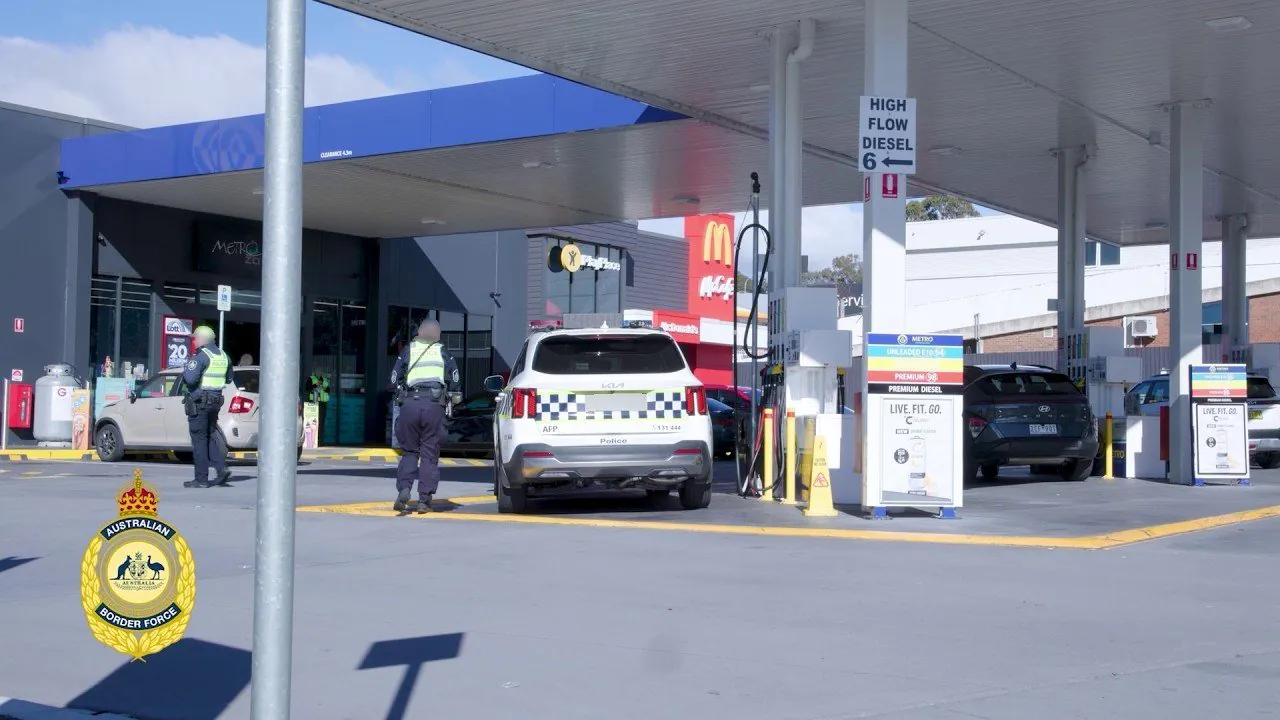
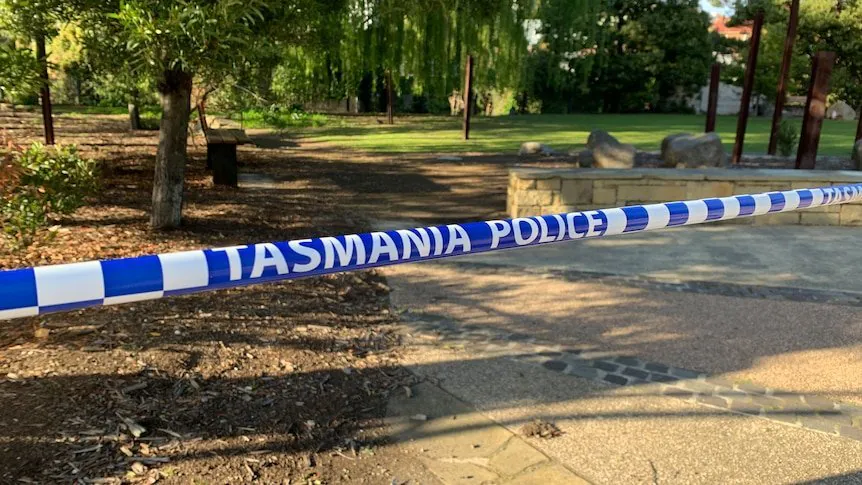
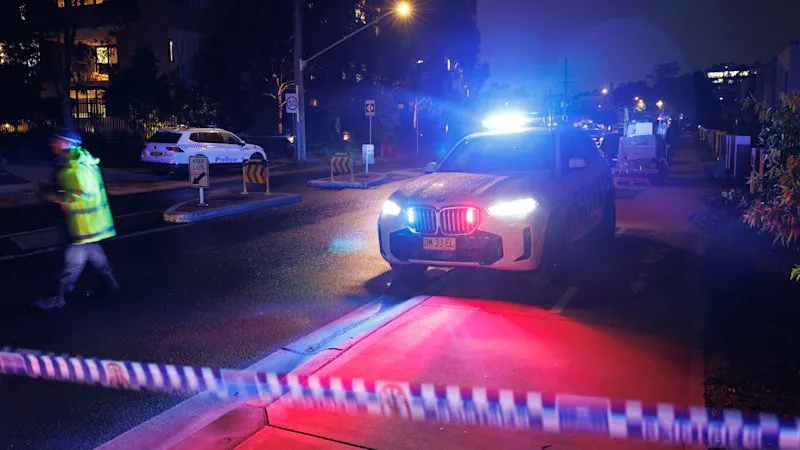
Operation SHORTHAND, a joint effort between 15 agencies, saw over 250 law enforcement and regulatory officers raid more than 100 service stations across six states and territories.
The operation, which was months in the making, aimed to disrupt the illicit tobacco trade and identify those involved in the importation, distribution, and sale of these products.
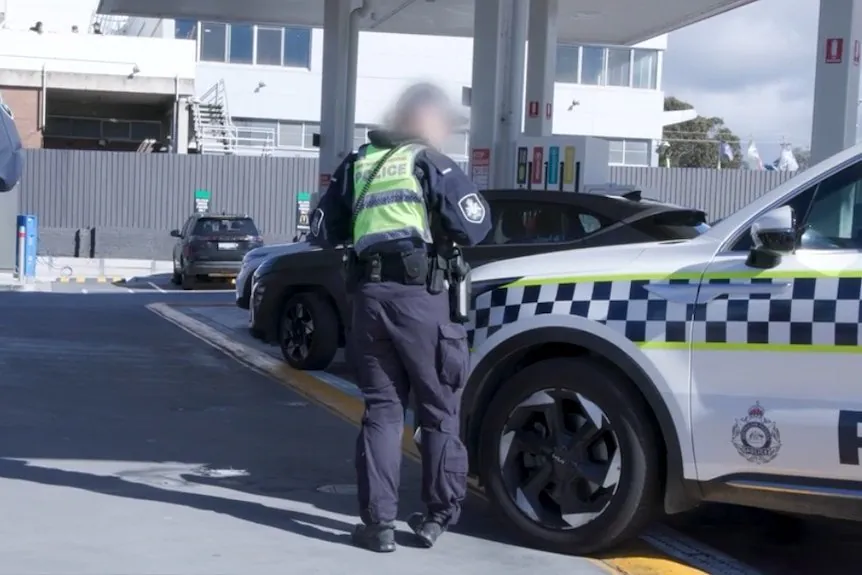
The raids, which took place on Tuesday morning, targeted Metro Petroleum service stations in Queensland, NSW, the Australian Capital Territory, Victoria, South Australia, and Western Australia.
Australian Federal Police (AFP) Superintendent Crime Command Jim Rowe described the illicit tobacco trade as “organised, sophisticated and resilient”, with intelligence suggesting that the sale of these products through service stations was a major concern.

“The aim of today’s enforcement activity for the AFP is to obtain information to help us identify the potential importation of illicit tobacco, distribution networks and how the proceeds of sales are collected and then distributed,” he said.
NSW Health Minister Ryan Park confirmed that state health officials had been working collectively on the issue for the past six to seven months, with Metro Petroleum a focus of the investigation.
“It’s very concerning that clearly there has been a change in the way criminals have decided to distribute illegal tobacco and now they are using service stations and petroleum stations to do that,” Park said.
“There is simply too big of a price point difference between the legal product and the illegal product.”
The significant price difference between legal and illicit tobacco is a major driver of the black market trade, with legal products costing up to three to four times more.
This has led to concerns about the impact on legitimate small business owners and the potential for a new generation of people to become hooked on nicotine.
“My concern is multifaceted,” Park said. “Firstly, it’s not fair on legitimate small business owners doing the right thing.
But it’s also concerning that we don’t want to see another generation of people hooked on a product like nicotine.”
As a result of the raids, several service stations have been shut down, including at least four Metro Petroleum outlets in Sydney. The sites will be closed for 28 to 90 days, depending on the location and the availability of fuel and essential services for local consumers.
No Metro Petroleum employees were arrested during the raids, and the company has denied any involvement in the illicit tobacco trade.
Metro Petroleum has a zero-tolerance approach to the sale of illicit tobacco and vaping products, and has welcomed the operation.
“Metro will cooperate fully with the Australian Border Force, the Australian Federal Police, NSW Police and every other agency involved, and with any investigation or government-led initiative directed at removing the illicit tobacco trade or any operator said to be breaking the law,” the company said in a statement.
Analysis: What This Means for Australia
The nationwide raids on service stations highlight the growing concern about the illicit tobacco trade in Australia. The operation has exposed the extent of the problem, with intelligence suggesting that organised crime groups are using service stations to distribute these products.
The significant price difference between legal and illicit tobacco is a major driver of the black market trade, and has serious implications for public health and the economy.
Security analysts say that the illicit tobacco trade is a significant threat to national security, with organised crime groups using the profits to fund other illicit activities.
“The illicit tobacco trade is a major concern for Australia, and it’s not just about the health impacts,” said one analyst. “It’s about the organised crime groups that are behind it, and the threat they pose to our national security.”
Law enforcement insiders warn that the illicit tobacco trade is a complex and evolving problem, and that it will take a coordinated effort to disrupt the activities of these groups.
“We need to work together to address the challenges associated with illicit tobacco,” said ABF assistant commissioner Tony Smith. “Regardless of how these groups evolve, a nationally coordinated group of agencies will continue to work hard to address the challenges associated with illicit tobacco.”
As the operation continues, authorities will be working to assess the material and information gathered during the raids.
The shutdown of service stations and the disruption of the illicit tobacco trade will have significant implications for communities across Australia, particularly in regional areas where these sites may be the only source of fuel and essential services.
Industry observers believe that the operation will have a major impact on the illicit tobacco trade, but that it’s just the beginning. “This is a significant blow to the illicit tobacco trade, but it’s not the end of the problem,” said one observer.
“We need to continue to work together to address the root causes of this issue and to prevent these groups from evolving and adapting.”