
Delivery Drivers Win Landmark Deal: Gig Economy Workers Score Historic Victory with $31.30 Minimum Hourly Wage and Injury Insurance
- Thousands of delivery drivers across Australia will receive a minimum $31.30 per hour after a groundbreaking agreement between the Transport Workers Union and major delivery platforms.
- The deal, approved by the Fair Work Commission, marks a significant shift in the gig economy, providing better pay and conditions for workers.
- For the first time, gig workers will also be insured for injuries sustained while on the job, offering crucial protection for those in the industry.
- The changes will come into effect on August 17, providing immediate relief to delivery drivers nationwide.
The lives of thousands of delivery drivers across Australia are set to change dramatically, thanks to a landmark deal that has been hailed as a major victory for gig economy workers.
After years of campaigning for better pay and conditions, the Transport Workers Union has secured a historic agreement with major delivery platforms, guaranteeing a minimum hourly wage of $31.30 and, for the first time, injury insurance for workers.
The deal, which was approved by the Fair Work Commission, marks a significant shift in the gig economy, where workers have long been classified as independent contractors rather than employees, denying them basic rights and protections.
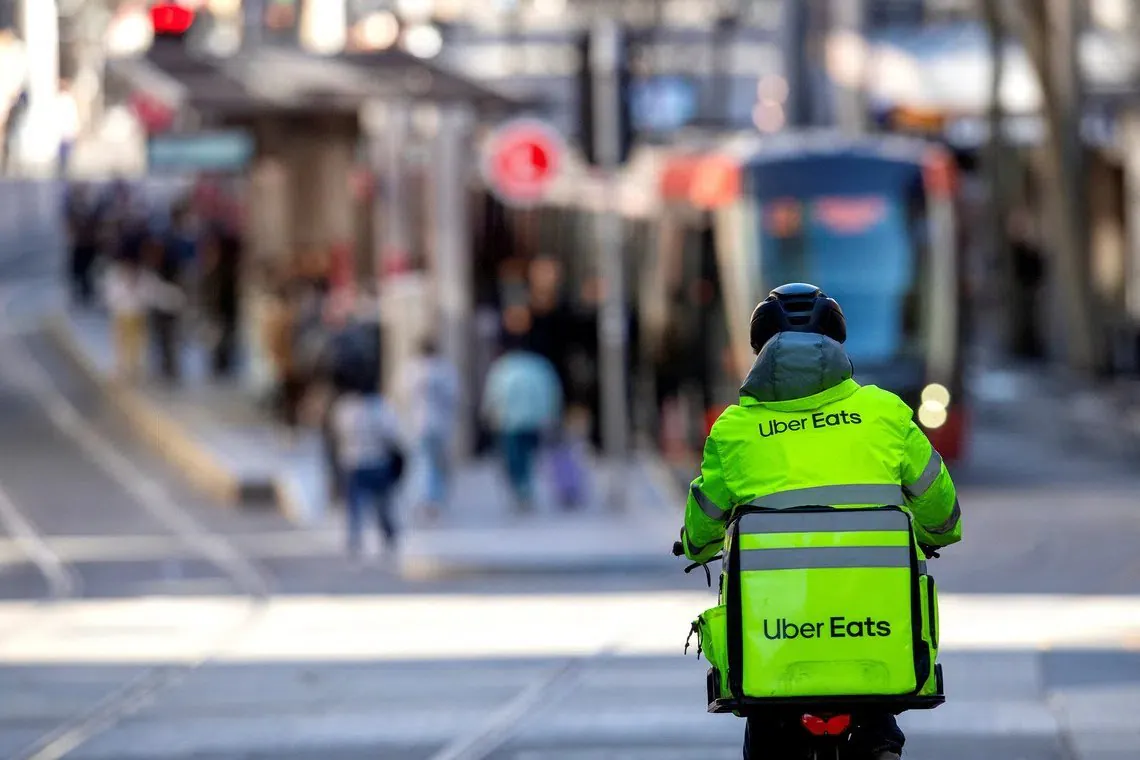
Under the new standards, delivery drivers will not only receive a substantial pay increase but also be entitled to insurance coverage in the event of an accident or injury sustained while on the job.
So, why has it taken so long for gig economy workers to secure these basic rights? The answer lies in the complex and often contentious nature of the industry.




For years, companies like Uber, Deliveroo, and Foodora have classified their drivers as independent contractors, rather than employees, in order to avoid providing benefits and protections.
However, this model has been widely criticized for creating a culture of exploitation, where workers are forced to bear the costs of their own equipment, fuel, and maintenance, without access to basic entitlements like sick leave or workers’ compensation.
Analysis: What This Means for Australia
The implications of this deal are far-reaching, with significant consequences for national labor laws and the future of the gig economy. As the country grapples with issues of worker exploitation and inequality, this agreement sets a crucial precedent for other industries and companies to follow.
Security analysts say that the deal will have a major impact on the way companies operate in Australia, with a renewed focus on worker welfare and safety.
Law enforcement insiders warn that the deal will also have significant implications for the black economy, where companies have long exploited loopholes to avoid paying taxes and providing benefits to workers.
With the introduction of minimum pay and injury insurance, companies will be forced to operate above board, providing a fairer deal for workers and a more level playing field for legitimate businesses.
Industry observers believe that the deal will also have a major impact on the economy, with increased consumer spending and a boost to local businesses.
As workers receive a fairer deal, they will have more money in their pockets to spend on goods and services, providing a much-needed injection of cash into the economy.
As the country moves forward, it’s clear that this deal is just the beginning. With the gig economy continuing to grow and evolve, it’s crucial that workers’ rights and protections keep pace.
The Transport Workers Union has shown that, with determination and perseverance, even the most entrenched industries can be forced to change. The question now is, what’s next?