Pauline Hanson Abandons One Nation Candidate Who Described Gays as Having a ‘Mental Illness’ Amid Fierce Backlash
- One Nation’s WA candidate Parminder Singh sparks outrage with homophobic comments, claiming gay people have a “mental illness”
- Pauline Hanson distances herself from Singh’s views, saying he’s no longer a candidate and his comments don’t reflect the party’s stance
- WA Labor Minister John Carey, who is openly gay, slams Singh’s comments as “extreme, divisive and nasty” and blames One Nation for promoting prejudice
- Singh’s profile is removed from the One Nation website after the ABC reveals his homophobic statements
The controversy surrounding One Nation’s WA candidate Parminder Singh has reached boiling point, with party leader Pauline Hanson swiftly distancing herself from his homophobic comments. Singh, who ran for an upper house seat in last year’s state election, sparked widespread outrage after describing gay people as having a “mental illness”.
Singh’s comments, made in a video clip posted by Perth comedian Jasky Singh, have been widely condemned by politicians and the LGBTQIA+ community. When asked if he thought people were born gay, Singh replied, “No, no, it’s a mental illness…
I blame on the parents because parents are too busy.” His remarks have been labelled as “dangerous, deeply offensive and outdated” by Labor upper house member Dr Katrina Stratton.
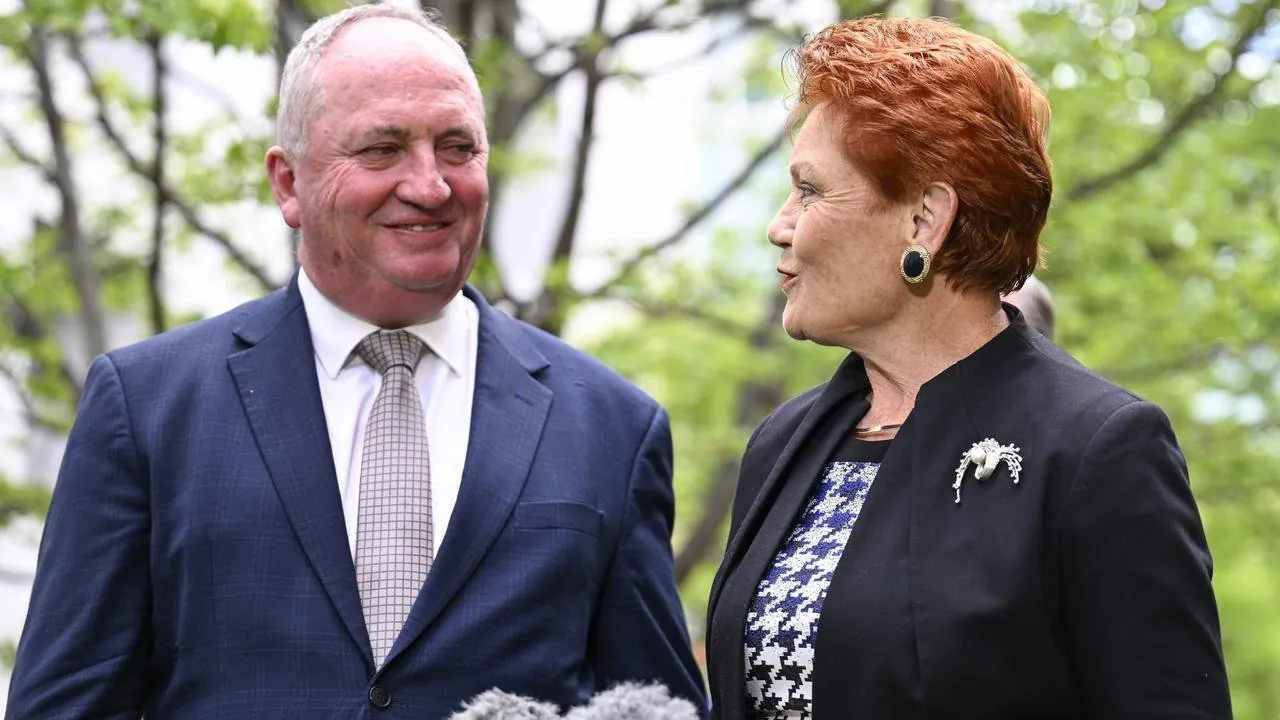
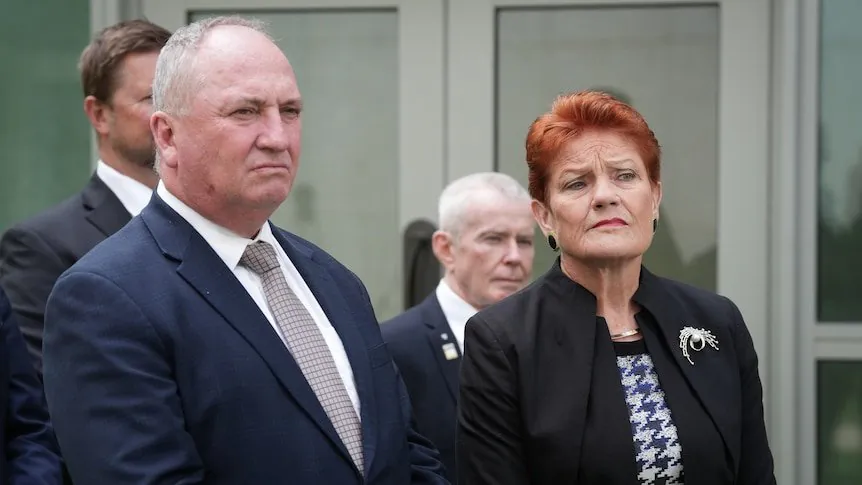
Hanson, speaking to reporters at Parliament House in Canberra, was quick to disavow Singh’s views, stating that he was no longer a candidate for the party.
“I know he’s made comments… he’s not a candidate.
He’s an individual that has his own views,” she said. One Nation’s WA leader, Rod Caddies, also denounced Singh’s comments, saying they did not reflect the views of the party.
However, Singh’s comments have raised concerns about One Nation’s vetting process for candidates. WA Labor Minister John Carey, who is openly gay, slammed Singh’s remarks as “extreme, divisive and nasty” and blamed One Nation for promoting prejudice.
“This is not the exception. This is the norm in One Nation.
When you’re a party based on extreme issues, extreme views, that peddle hatred, no wonder that you collect candidates that are vile like this,” he said.
Analysis: What This Means for Australia
The fallout from Singh’s comments has significant implications for Australia’s LGBTQIA+ community. His remarks have been widely condemned, and many are calling for greater action to be taken against hate speech.
The incident also raises questions about the vetting process for political candidates and the need for parties to take responsibility for the views of their representatives.
Security analysts say that the rise of extreme views in politics can have serious consequences for community cohesion and social stability. “When politicians promote hate speech, it can create a toxic environment that emboldens extremists and puts vulnerable communities at risk,” said one analyst.
Law enforcement insiders warn that the normalisation of hate speech can also have serious consequences for public safety.
“When hate speech is tolerated, it can create a culture of violence and intimidation that can lead to serious harm,” said a senior law enforcement official.
As the debate around Singh’s comments continues, one thing is clear: the incident has highlighted the need for greater action to be taken against hate speech and the promotion of inclusivity and respect in Australian politics.