One Nation Embroiled in Homophobia Row as WA Candidate’s Shocking Anti-Gay Comments Surface
- One Nation’s WA upper house candidate Parminder Singh sparks outrage with claims LGBTQI people have a mental illness
- Barnaby Joyce distances party from Singh’s comments, claiming One Nation is ‘one of the gayest parties in Australia’
- Singh removed from party’s website after video of his comments goes public
- Joyce concedes party’s vetting process has ‘teething issues’ as it grows
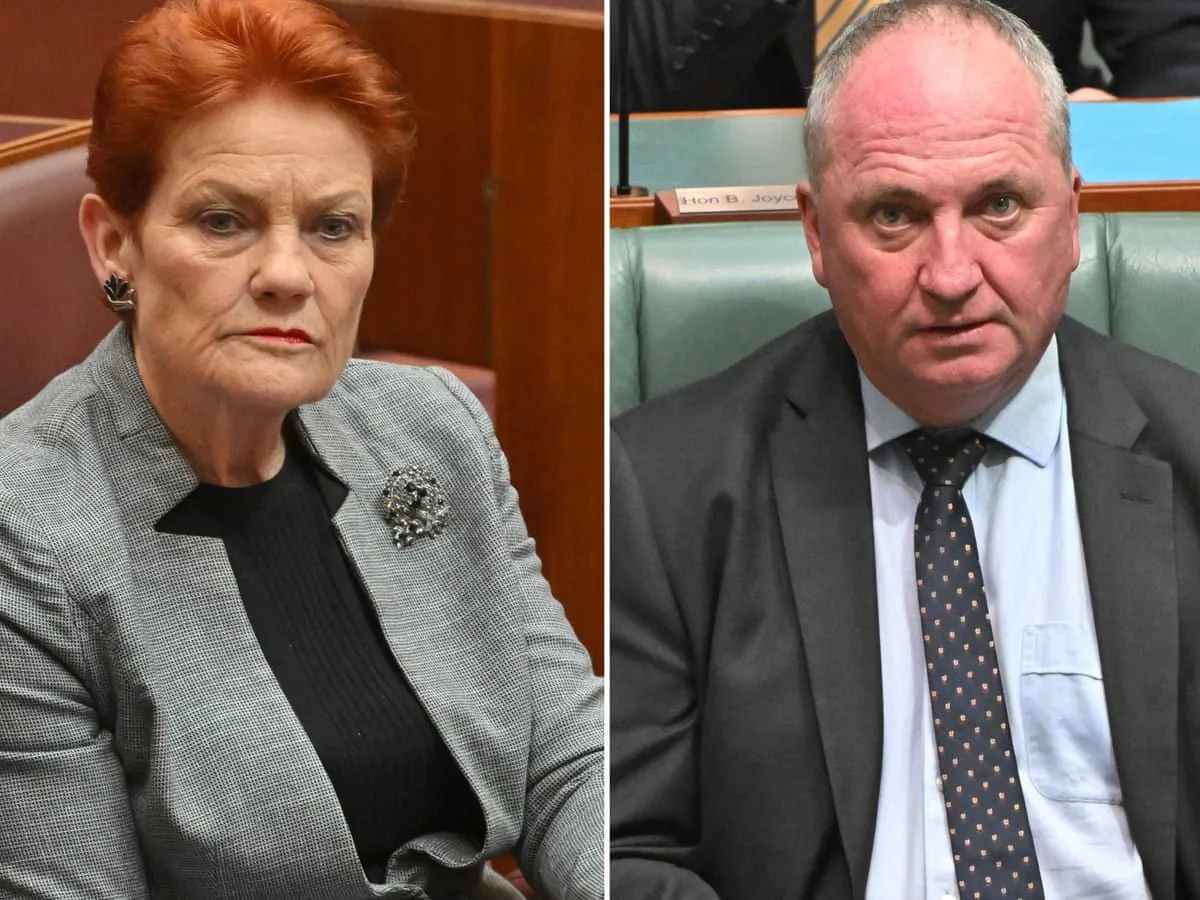
The shocking comments made by One Nation’s WA upper house candidate Parminder Singh have sent the party into damage control, with leader Barnaby Joyce scrambling to distance himself and the organisation from the homophobic remarks.
In a video that surfaced on social media, Singh claimed that LGBTQI people have a mental illness, sparking widespread outrage and condemnation. At the centre of the controversy is Singh, who was third on One Nation’s upper house ticket at the state election.
His comments, which have been widely condemned as homophobic and offensive, have led to his removal from the party’s website.
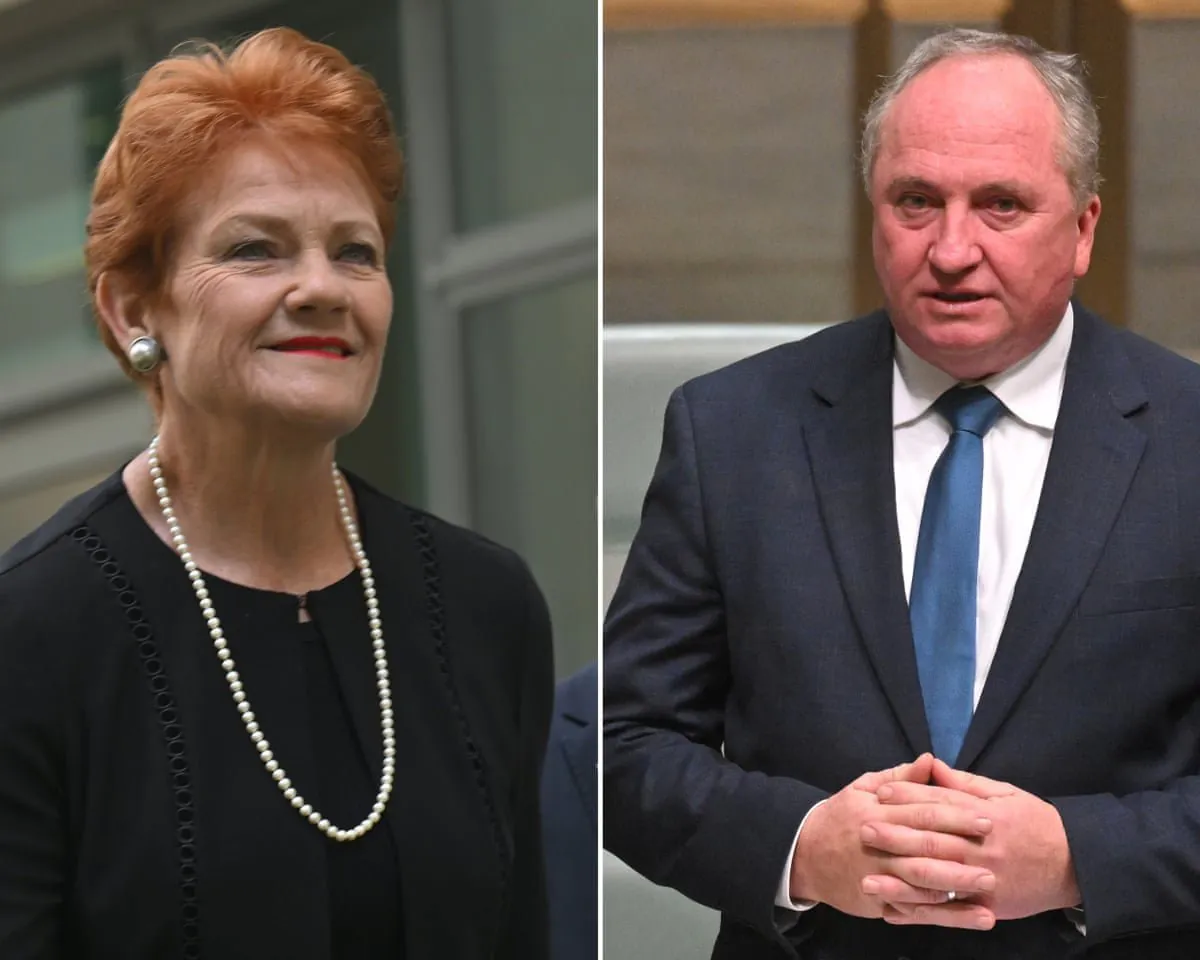
Joyce was quick to respond, telling ABC TV that Singh’s views did not represent the party and that One Nation was, in fact, ‘one of the gayest parties in Australia’.
“We’re a party that’s got a large proportion of gay people, and they’re all the same,” Joyce said. “They don’t want to be glorified.
They don’t want to be vilified.” Joyce’s comments were a clear attempt to deflect attention from the controversy and reassure the public that One Nation is inclusive and accepting of the LGBTQI community.
However, the incident has raised serious questions about the party’s vetting process and its ability to attract and retain candidates who share its values.
Joyce conceded that the party was still experiencing ‘teething issues’ as it grows, and that its internal resources were struggling to keep up with the influx of new members and applicants.
Analysis: What This Means for Australia
The controversy surrounding Singh’s comments has significant implications for Australia’s LGBTQI community and the country’s broader social fabric.
It highlights the ongoing struggle for acceptance and equality faced by LGBTQI individuals and the need for greater education and awareness about the issues they face.
Security analysts say that the incident also raises concerns about the potential for extremist ideologies to infiltrate mainstream politics.
“When candidates with extremist views are able to rise through the ranks of a major party, it’s a worrying sign for the health of our democracy,” said one analyst.
Law enforcement insiders warn that the incident could also have implications for community safety, particularly in areas with high LGBTQI populations.
“When homophobic comments are made by public figures, it can embolden extremist individuals and groups, leading to a spike in hate crimes and violence,” said one insider.
Industry observers believe that the incident will have significant repercussions for One Nation’s electoral prospects, particularly in Western Australia.
“The party’s inability to properly vet its candidates and its willingness to tolerate extremist views will be a major turn-off for voters who value inclusivity and acceptance,” said one observer.
As the controversy continues to unfold, one thing is clear: the incident has dealt a significant blow to One Nation’s reputation and raised serious questions about its values and policies.
The shocking comments made by One Nation’s WA upper house candidate Parminder Singh have sent the party into damage control, with leader Barnaby Joyce scrambling to distance himself and the organisation from the homophobic remarks. In a video that surfaced on social media, Singh claimed that LGBTQI people have a mental illness, sparking widespread outrage and condemnation.
At the centre of the controversy is Singh, who was third on One Nation’s upper house ticket at the state election. His comments, which have been widely condemned as homophobic and offensive, have led to his removal from the party’s website. Joyce was quick to respond, telling ABC TV that Singh’s views did not represent the party and that One Nation was, in fact, ‘one of the gayest parties in Australia’.
“We’re a party that’s got a large proportion of gay people, and they’re all the same,” Joyce said. “They don’t want to be glorified. They don’t want to be vilified.” Joyce’s comments were a clear attempt to deflect attention from the controversy and reassure the public that One Nation is inclusive and accepting of the LGBTQI community.
However, the incident has raised serious questions about the party’s vetting process and its ability to attract and retain candidates who share its values. Joyce conceded that the party was still experiencing ‘teething issues’ as it grows, and that its internal resources were struggling to keep up with the influx of new members and applicants.
Analysis: What This Means for Australia
The controversy surrounding Singh’s comments has significant implications for Australia’s LGBTQI community and the country’s broader social fabric. It highlights the ongoing struggle for acceptance and equality faced by LGBTQI individuals and the need for greater education and awareness about the issues they face.
Security analysts say that the incident also raises concerns about the potential for extremist ideologies to infiltrate mainstream politics. “When candidates with extremist views are able to rise through the ranks of a major party, it’s a worrying sign for the health of our democracy,” said one analyst.
Law enforcement insiders warn that the incident could also have implications for community safety, particularly in areas with high LGBTQI populations. “When homophobic comments are made by public figures, it can embolden extremist individuals and groups, leading to a spike in hate crimes and violence,” said one insider.
Industry observers believe that the incident will have significant repercussions for One Nation’s electoral prospects, particularly in Western Australia. “The party’s inability to properly vet its candidates and its willingness to tolerate extremist views will be a major turn-off for voters who value inclusivity and acceptance,” said one observer.
As the controversy continues to unfold, one thing is clear: the incident has dealt a significant blow to One Nation’s reputation and raised serious questions about its values and policies.