Avian Influenza Outbreak Spreads Inland: Backyard Bird Keepers Demand Vaccines as ‘Dreaded’ H5N1 Virus Threatens Rare Species
- Backyard bird keepers are sounding the alarm as avian influenza spreads inland, with new cases detected over 100 kilometres from the coast in South Australia.
- The deadly H5N1 virus has already claimed multiple bird species, including critically endangered glossy black cockatoos, and is now threatening privately owned flocks.
- Wildlife experts are calling for vaccines to be made available to protect vulnerable birds, with one couple, Al and Louise McKay, fearing for the lives of their rare and beloved birds.
- The South Australian government says it is part of a national approach using vaccinations to protect priority species, but backyard bird keepers are demanding more action.
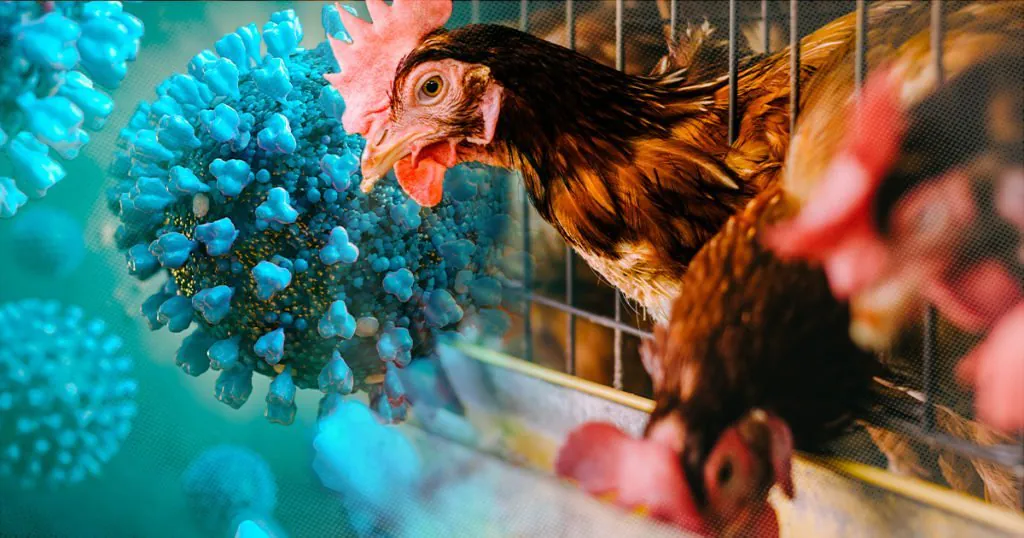
The usually tranquil world of backyard bird keeping has been turned upside down as the dreaded H5N1 avian influenza virus spreads inland, threatening the lives of rare and endangered species.
Al and Louise McKay, who live in the Penola district of South Australia, are on high alert, worried about their precious birds, including their critically endangered glossy black cockatoos and masked owls.
The couple, who run an educational wildlife business, have modified their enclosures to expand biosecurity measures, but they’re desperate for vaccines to protect their treasured animals.
The McKays are not alone in their concerns.
Wildlife experts across the country are calling for vaccines to be made available to backyard bird keepers, who are often the first line of defence against the spread of the virus.
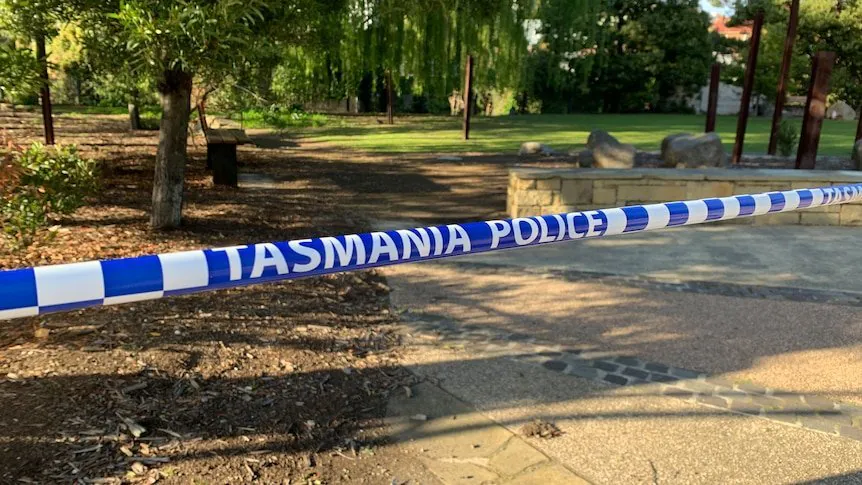
The H5N1 virus has already been detected in crested terns along the Limestone Coast, from Robe to Port MacDonnell and Southend, with multiple dead birds found on beaches and foreshores.
The virus has also been detected in greater crested terns in Victoria, including on Phillip Island and in Mildura.
The South Australian government says it is part of a national approach using vaccinations to protect priority species, but the focus is on “priority species in captivity”, leaving backyard bird keepers feeling vulnerable.
The government spokesperson said it was “difficult” and “impractical” to deliver vaccines to most “free-living species” because many vaccines required multiple doses. However, backyard bird keepers like the McKays argue that vaccinations are essential to protect their birds and prevent the spread of the virus.
Analysis: What This Means for Australia
The spread of the H5N1 virus has significant implications for Australia’s wildlife, particularly for rare and endangered species. The virus has already claimed multiple bird species, and the risk of transmission to other animals, including humans, cannot be ruled out.
The government’s focus on priority species in captivity is a step in the right direction, but more needs to be done to support backyard bird keepers, who are often the unsung heroes of conservation efforts.
The McKays’ story highlights the need for a more comprehensive approach to managing the outbreak, one that includes vaccines for privately owned birds and greater support for those on the frontlines of conservation.
Security analysts say that the spread of the virus is a wake-up call for Australia’s biosecurity measures, which have been criticized for being inadequate in the past.
The outbreak highlights the need for greater investment in surveillance, detection, and response measures to prevent the spread of diseases.
Industry observers believe that the outbreak will have significant economic and social consequences, particularly for rural communities and the tourism industry, which relies heavily on wildlife and outdoor activities.
As the situation continues to unfold, one thing is clear: the fate of Australia’s wildlife hangs in the balance. The government must take a more proactive approach to managing the outbreak, including providing vaccines for privately owned birds and supporting backyard bird keepers.
The lives of rare and endangered species depend on it.