Stranded in South Africa: Qantas Passengers Demand Answers and Compensation After 50-Hour Delay Due to Mechanical Issues
- Hundreds of Qantas passengers were left stranded in Johannesburg for three days after their A380 flight to Sydney was grounded due to mechanical problems.
- The airline sent another plane to bring the passengers home, but many are now demanding better compensation for the distress and disruption caused.
- The incident has highlighted the need for a more comprehensive compensation scheme for Australian passengers, with some calling for regulations similar to those in the European Union.
- The Qantas A380 has been at the centre of safety concerns in the past, including the discovery of cracks in a key structural component of the plane’s wing.
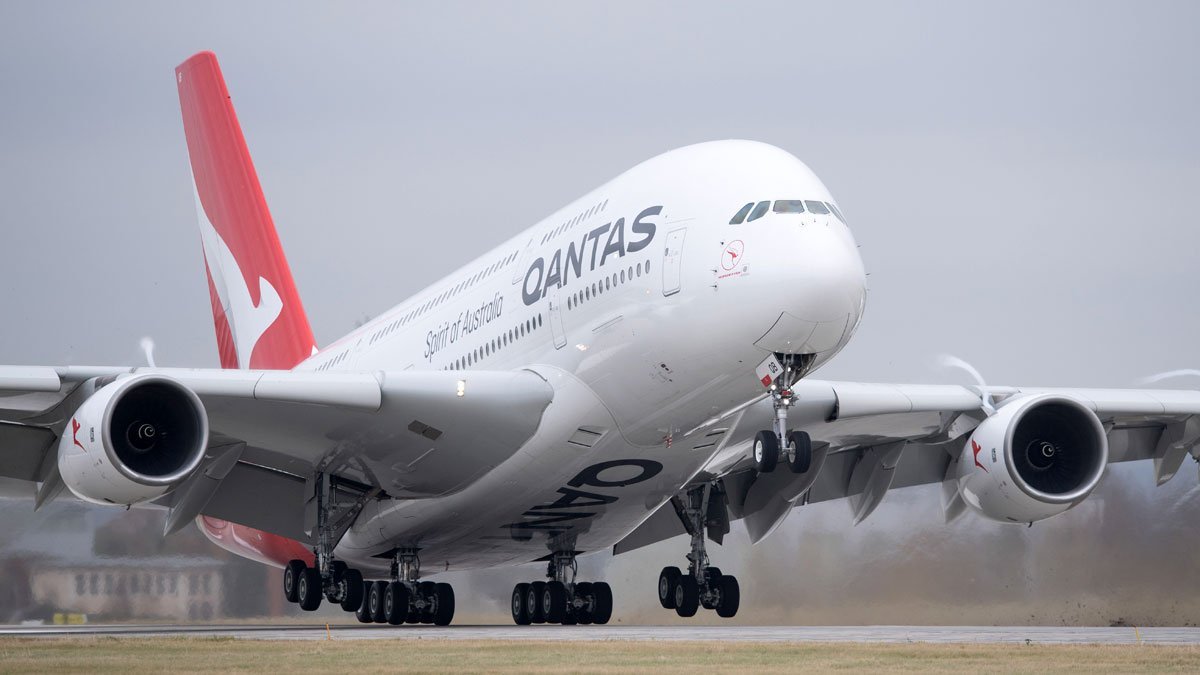
As the Qantas A380 sat stranded on the tarmac in Johannesburg, hundreds of passengers were left to wonder if they would ever make it home. The flight, QF64, was supposed to depart on Monday night, but a mechanical issue with the plane’s nose wheel forced the airline to abandon takeoff.
What followed was a 50-hour ordeal that left passengers exhausted, frustrated, and demanding answers.
The airline’s initial response was to offer Qantas Frequent Flyers 20,000 points or a $200 “Customer Care Travel Voucher” for non-members.
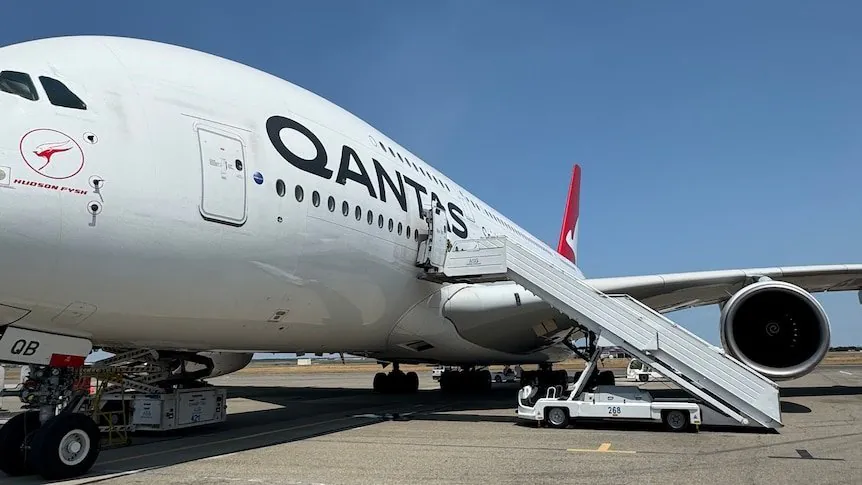
However, after questions from the media, Qantas sent another email to customers as they landed back in Sydney, offering to refund the Johannesburg to Sydney leg as well as an Uber voucher home.
For many passengers, this was too little, too late.

Harriett Moore, one of the passengers on board, described the experience as “distressing”. “We had fellow passengers with children that ran out of nappies and formula, other passengers missed events like parties,” she said.
“We accept that safety must come first; however, why a near 50-hour delay has been met with limited explanation and an offer … that does not reflect the disruption, cost and distress involved.”
The incident has raised questions about the safety of the Qantas A380, which has been at the centre of concerns in the past.
In June, Airbus was ordered to inspect 16 A380 aircraft, including one operated by Qantas, after cracks were found in a key structural component of the plane’s wing.
However, there is no indication that the Johannesburg aircraft’s steering problem is related to those inspections.
Aviation expert Justin Wastnage said that passengers should not be concerned about the safety of the A380.
“All aircraft are certified by the European safety agency, the Federal Aviation Administration, the US, our own CASA, and they all go through rigorous tests,” he said.
“Flying is statistically still the safest form of travel, and the A380 is no different.”
Analysis: What This Means for Australia
The Qantas A380 debacle has highlighted the need for a more comprehensive compensation scheme for Australian passengers.
Unlike the European Union, which requires airlines to pay passengers delayed by mechanical faults up to 600 euros ($980) in compensation, Australia has no guaranteed compensation scheme for disrupted flights.
This has left many passengers feeling frustrated and let down by the airline’s response.
Law enforcement insiders warn that the lack of a clear compensation scheme can leave passengers vulnerable to exploitation by airlines. “It’s a situation where the airline has all the power, and the passenger is left at their mercy,” said one insider.
“A clear compensation scheme would provide passengers with a sense of security and ensure that airlines are held accountable for their actions.”
The incident has also raised concerns about the maintenance and safety of the Qantas A380.
While the airline has maintained that the safety of its passengers is its top priority, the discovery of a 1.25-metre tool inside one of its A380 engines following about 300 hours of flying has raised questions about the airline’s maintenance procedures.
Industry observers believe that the incident will have significant implications for the airline industry in Australia. “This incident highlights the need for greater transparency and accountability in the airline industry,” said one observer.
“Passengers deserve to know that their safety is being taken seriously, and that airlines are being held to account for their actions.”
As the Qantas A380 remains on the tarmac in Johannesburg, undergoing repairs, passengers are left to wonder if they will ever receive the compensation they deserve.
One thing is certain, however: the incident has raised important questions about the safety and accountability of the airline industry in Australia.