
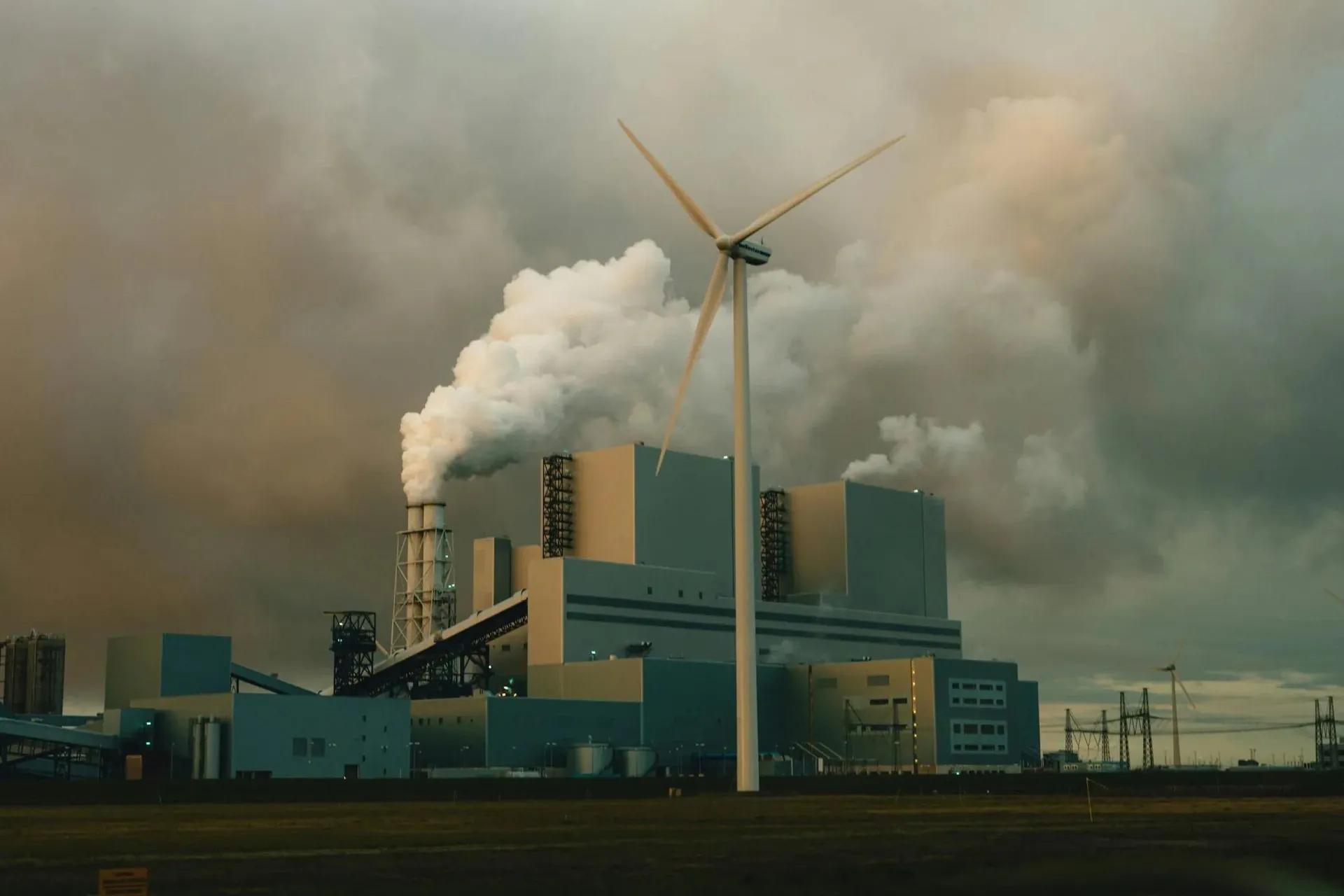
VICTORIA’S COAL CONUNDRUM: Why the State’s Reliance on Aging Power Plants Spells Disaster for Australia’s Energy Future
- The Victorian Coalition has vowed not to accelerate the closure of coal-fired power stations, despite warnings of potential electricity shortfalls
- Yallourn coal-fired power station is set to close in 2028, but experts warn of capacity shortfalls in the coming years
- The Nationals’ plan to keep existing coal plants firing has been labelled as “doubling down” on aging, unreliable infrastructure
The announcement by the Victorian Coalition that it will not force the early closure of coal-fired power stations has sparked concerns about the state’s energy future.
With several coal plants slated for retirement in the next decade, including the Yallourn power station in 2028, the question on everyone’s mind is: what next?
The Nationals’ plan to keep existing coal plants firing has been met with criticism from environmental groups and experts, who warn that it will only exacerbate the problem.
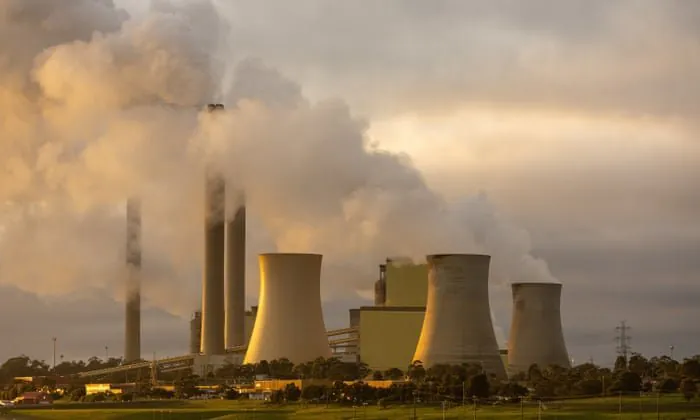
According to the Victorian Auditor-General, the state could face electricity shortfalls when the Yallourn Power Station closes in 2028.
National Party member for Morwell Martin Cameron said the Coalition’s plan was not to build new coal plants, but to keep the existing power stations running as long as possible.
“To keep the lights on for everybody, we’re going to still have to rely on our coal-fired generators in the Latrobe Valley to supply a consistent, constant base load power for Victoria,” he said.
But experts say this approach is misguided.
Professor Bruce Mountain, Director of the Victoria Energy Policy Centre at Victoria University, said there was no prospect that coal-powered plants slated for closure in 2028 would be shut down sooner than expected.
“If anything, the opposite is the case, the Victorian government having contracted with Energy Australia to possibly extend the operation of the plant after 2028,” he said.
Mountain warned that the subsequent closure of either of the Loy Yang plants in the next five years would be “extremely problematic” and would result in capacity shortfalls.
The issue has sparked a heated debate about the role of coal in Australia’s energy future.
Environment Victoria climate campaign manager Joy Toose said the Coalition’s pledge was “doubling down on the aging, unreliable infrastructure that’s causing the problem in the first place”.
“Renewable energy is already the cheapest power in the system, roughly half the wholesale cost of coal and gas,” she said.
“If the Nationals were serious about protecting Victorians from blackouts and high bills, they’d be backing projects that get that cheap power to households, not attacking them.”
So, what does this mean for Australia? The reliance on aging coal-fired power plants is a ticking time bomb for the country’s energy security.
As the world transitions to cleaner, more sustainable forms of energy, Australia risks being left behind. The consequences of inaction will be severe, from crippling power outages to skyrocketing energy bills.
Analysis: What This Means for Australia
The Nationals’ plan to keep coal-fired power stations running is a short-sighted solution to a long-term problem. It ignores the reality that coal is a dying industry, and that renewable energy is the future.
By failing to invest in cleaner forms of energy, Australia risks missing out on the economic benefits of the transition to a low-carbon economy. The consequences of inaction will be severe, from lost jobs to reduced economic competitiveness.
Security analysts say that the reliance on coal-fired power plants also poses a significant risk to national security. As the world becomes increasingly reliant on renewable energy, Australia’s continued reliance on coal will make it vulnerable to disruptions in the global energy market.
This could have serious consequences for the country’s energy security, and its ability to respond to emerging threats.
Law enforcement insiders warn that the failure to transition to cleaner forms of energy will also have significant implications for public safety. As the country becomes increasingly reliant on renewable energy, the risk of power outages and grid instability will increase.
This could have serious consequences for public safety, particularly in rural and regional areas.
Industry observers believe that the solution to this problem is clear: a rapid transition to renewable energy. By investing in cleaner forms of energy, Australia can reduce its reliance on coal-fired power plants and ensure a secure and sustainable energy future.
The benefits will be numerous, from reduced greenhouse gas emissions to improved public health and economic competitiveness.