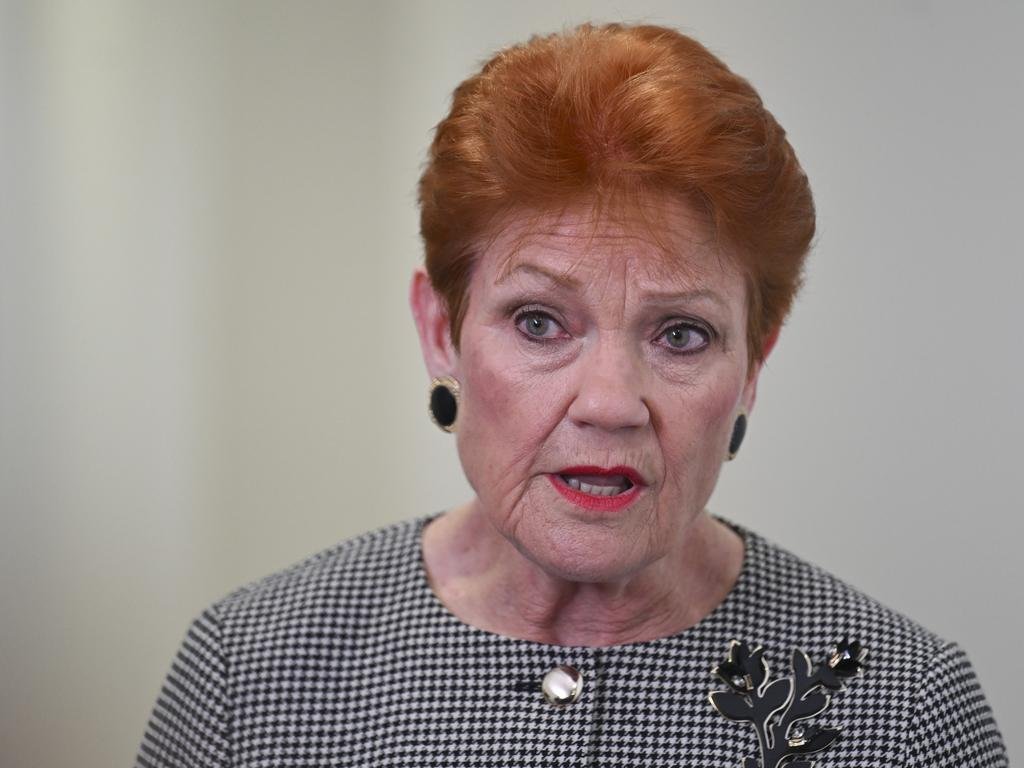
Pauline Hanson’s Shocking Gaffe: One Nation Leader Fails to Name Key Allies’ Leaders, Raising Questions About Her Fitness to Lead
- One Nation leader Pauline Hanson struggles to name the leaders of Indonesia and Japan, sparking concerns about her foreign policy credentials.
- Hanson’s embarrassing admission comes as her party surges in the polls, with a primary vote of 29% – ahead of the Coalition’s 18%.
- Experts warn that Hanson’s lack of knowledge about key allies could have serious implications for Australia’s national security and international relationships.
- As Hanson’s popularity grows, so do concerns about her ability to lead the country, with many questioning whether she has the necessary skills and knowledge to navigate complex global politics.
Pauline Hanson’s latest gaffe has left many questioning her fitness to lead the country.
In a cringe-worthy interview with Chris Kenny, the One Nation leader struggled to name the leaders of Indonesia and Japan, two of Australia’s most important allies in the Asia-Pacific region.
When asked about visiting Jakarta and meeting with the President, Hanson hesitated, saying “I don’t know if I’d say I want to.” When pressed further, she admitted she didn’t know the name of the President of Indonesia, Prabowo Subianto.
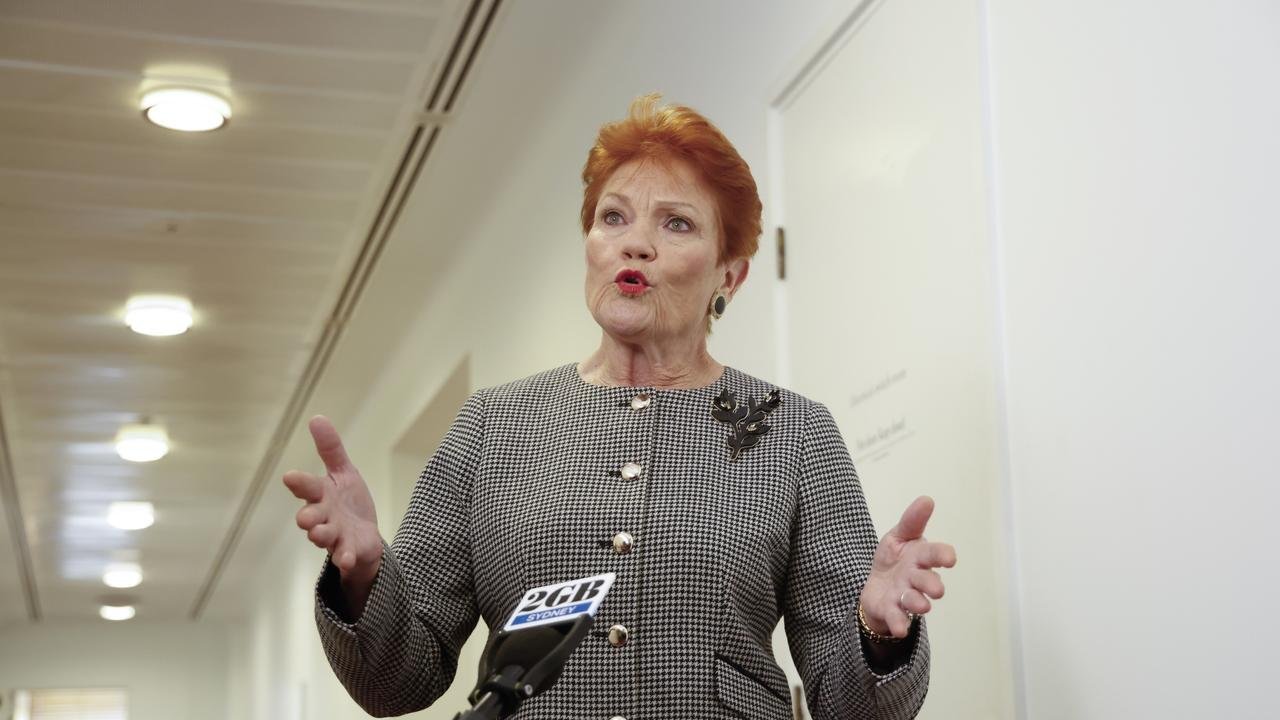
The interview, which was captured in a promotional clip for Kenny’s documentary, The Fight for the Right, has sparked widespread criticism and concern about Hanson’s lack of knowledge about key foreign leaders.
Hanson’s failure to recall the name of Japan’s Prime Minister, Sanae Takaichi, has also raised eyebrows, particularly given her party’s growing popularity. One Nation has consistently out-polled the major parties, with a primary vote of 29% in the latest Newspoll.


So, why is Hanson’s lack of knowledge about key foreign leaders a problem? For starters, it raises serious concerns about her ability to navigate complex global politics and build relationships with key allies.
As Prime Minister, Hanson would be expected to engage with world leaders on a regular basis, negotiating trade deals, discussing security arrangements, and representing Australia’s interests on the world stage.
If she can’t even remember the names of key leaders, how can she be expected to build trust and credibility with them?
Analysis: What This Means for Australia
Hanson’s gaffe has significant implications for Australia’s national security and international relationships.
As a key player in the Asia-Pacific region, Australia relies heavily on its relationships with Indonesia and Japan to maintain stability and security in the region.
If Hanson were to become Prime Minister, her lack of knowledge about key foreign leaders could damage these relationships and undermine Australia’s ability to influence regional politics.
Security analysts say that Hanson’s failure to recall the names of key leaders is a red flag, indicating a lack of engagement with foreign policy issues and a lack of preparation for the demands of the Prime Minister’s role.
“It’s not just about knowing the names of foreign leaders,” said one analyst. “It’s about understanding the complexities of global politics and being able to navigate them effectively.
Hanson’s gaffe suggests she may not have the necessary skills or knowledge to do that.”
Law enforcement insiders also warn that Hanson’s lack of knowledge about key foreign leaders could have serious implications for Australia’s border security and counter-terrorism efforts.
“If Hanson can’t even remember the names of key leaders, how can she be expected to make informed decisions about national security?” said one insider.
As Hanson’s popularity continues to grow, so do concerns about her ability to lead the country.
While she may be a charismatic figure with a strong connection to her base, her lack of knowledge about key foreign leaders raises serious questions about her fitness for the Prime Minister’s role.
Can Australia afford to have a leader who is so clearly out of her depth on the world stage?
Industry observers believe that Hanson’s gaffe is a wake-up call for the Australian public, highlighting the need for a more informed and engaged approach to politics.
“It’s time for Australians to take a closer look at Hanson’s policies and her ability to lead the country,” said one observer. “We need a leader who is informed, engaged, and able to navigate the complexities of global politics.
Hanson’s gaffe suggests she may not be that leader.”