
Bird Flu Outbreak Looms Over Northern Territory: ‘It’s Only a Matter of Time’ Before Deadly H5N1 Strain Arrives, Experts Warn
- The Northern Territory is bracing for the arrival of the deadly H5N1 bird flu strain, with authorities warning it’s “inevitable” and “only a matter of time” before the virus spreads to the region.
- Conservationists and wildlife experts say vaccination of native species is not an option, with the NT government instead relying on birdwatchers and conservationists to help slow the disease’s spread.
- The virus has already been detected in all six states, with bird vaccination programs underway in some areas, and the NT’s 450 species of bird, including 37 threatened species, are at risk.
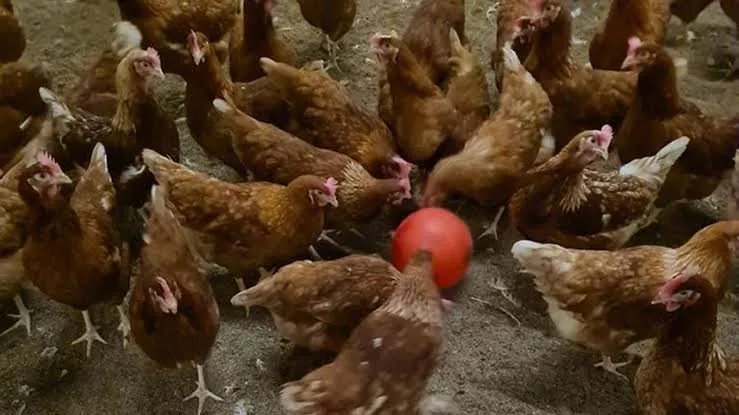
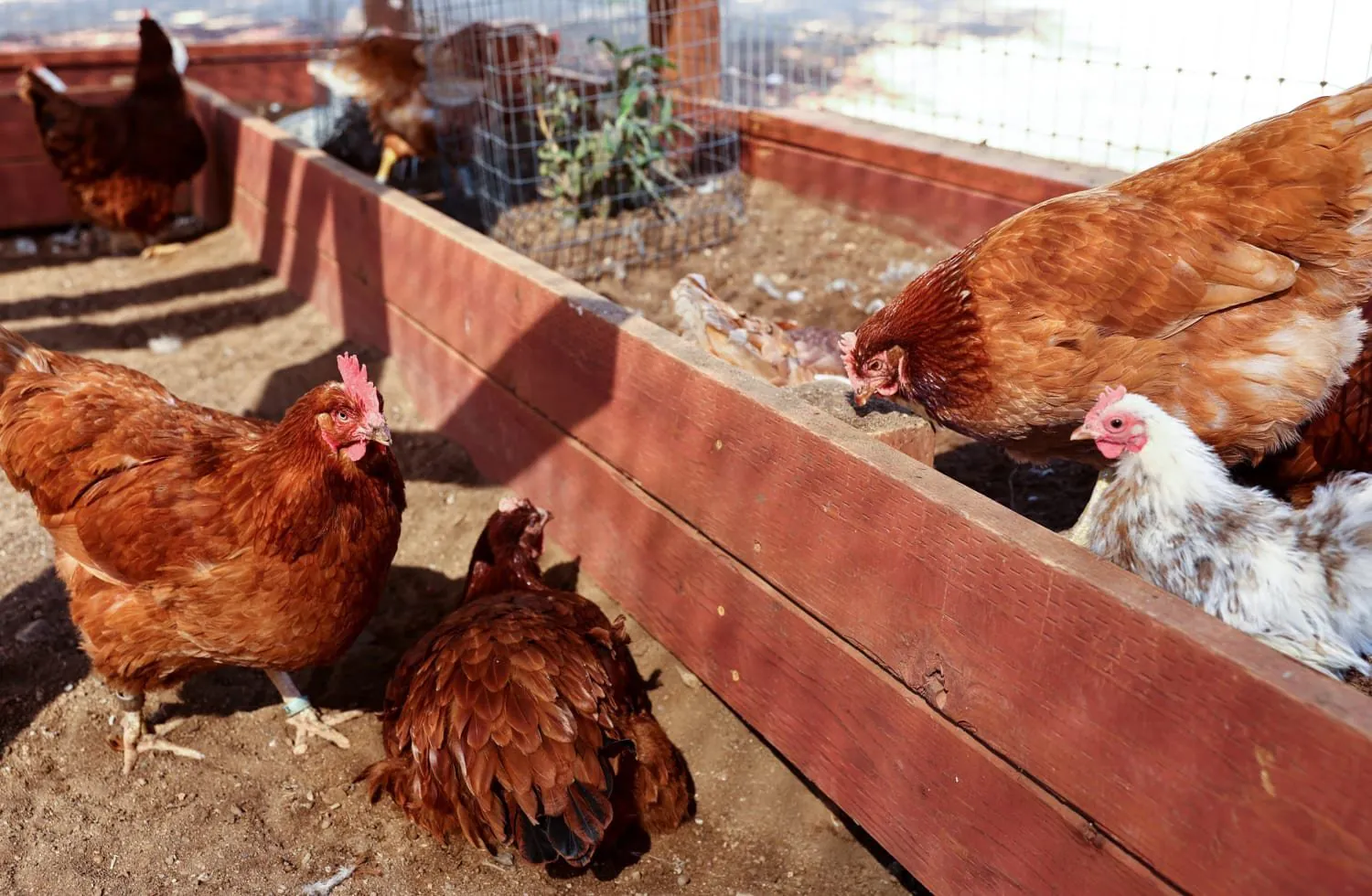
- Backyard poultry farmers and bird owners are being urged to be vigilant against the disease, with authorities warning of devastating consequences for local wildlife and communities.
The Northern Territory is on high alert as the deadly H5N1 bird flu strain threatens to spread to the region, with authorities warning it’s “inevitable” and “only a matter of time” before the virus arrives.
The NT’s Chief Veterinary Officer Sue Fitzpatrick is calling on bird owners to protect their flocks and report any symptoms, while conservationists and wildlife experts say vaccination of native species is not an option.
The virus, first detected in Western Australia in late June, has now been found in all six states, leading to bird vaccination programs in some of them.
The NT is home to 450 species of bird, 37 of which are considered threatened, and the arrival of the virus would have devastating consequences for local wildlife and communities.
Darwin local “Datto”, who frequents Nightcliff Jetty with his galah Buddy, is among those anxiously waiting for the virus to arrive.
“It’s going to take away a lot of privileges of me taking Buddy where the other birds are, and we’re going to lose a lot of good birds over it,” he said.
Datto fears an outbreak in Darwin’s northern suburbs, where wild birds routinely flock along the coastline, would be catastrophic for locals who come to enjoy the wildlife.
Senior Director of Species Management at the NT Department of Lands, Planning and Environment Tony Griffiths said the disease’s arrival in the territory was imminent. “It’s definitely going to happen,” he said.
Griffiths explained that the plan to combat H5N1 in the NT would largely rely on wide-scale surveying of areas where birds are known to flock, such as the Top End coastline and Barkly Lakes.
However, vaccination of native species is not on the cards, with Griffiths citing the vast number of species and the difficulty of catching them to vaccinate.
Instead, the government is looking to harness the power of the territory’s avian enthusiasts to tackle the tyranny of distance. Keen birdwatchers are being urged to use their skills to help monitor the spread of bird flu in the NT.
Analysis: What This Means for Australia
The potential arrival of the H5N1 bird flu strain in the Northern Territory has significant implications for Australia’s national security, law enforcement, and community safety. The virus’s spread could lead to widespread deaths of native bird species, devastating local ecosystems and economies.
Furthermore, the disease’s arrival could also impact Australia’s poultry industry, with potential economic consequences for farmers and consumers.
Security analysts say the spread of the virus highlights the need for increased biosecurity measures and cooperation between state and federal authorities.
“The fact that the virus has already spread to all six states demonstrates the need for a coordinated national response to this threat,” said one analyst.
Law enforcement insiders warn that the disease’s arrival could also lead to increased crime, as desperate individuals seek to exploit the situation for financial gain. “We’ve seen it before with other diseases – individuals trying to profit from the situation by selling fake vaccines or exploiting vulnerable communities,” said one insider.
Industry observers believe the spread of the virus could also have significant economic consequences for Australia’s poultry industry, with potential losses in the millions. “The impact on the poultry industry could be severe, with potential losses in production and revenue,” said one observer.
As the Northern Territory prepares for the arrival of the H5N1 bird flu strain, it’s clear that the consequences will be far-reaching and devastating.
The government’s reliance on birdwatchers and conservationists to help slow the disease’s spread is a desperate measure, and one that highlights the need for increased funding and resources for biosecurity and conservation efforts.