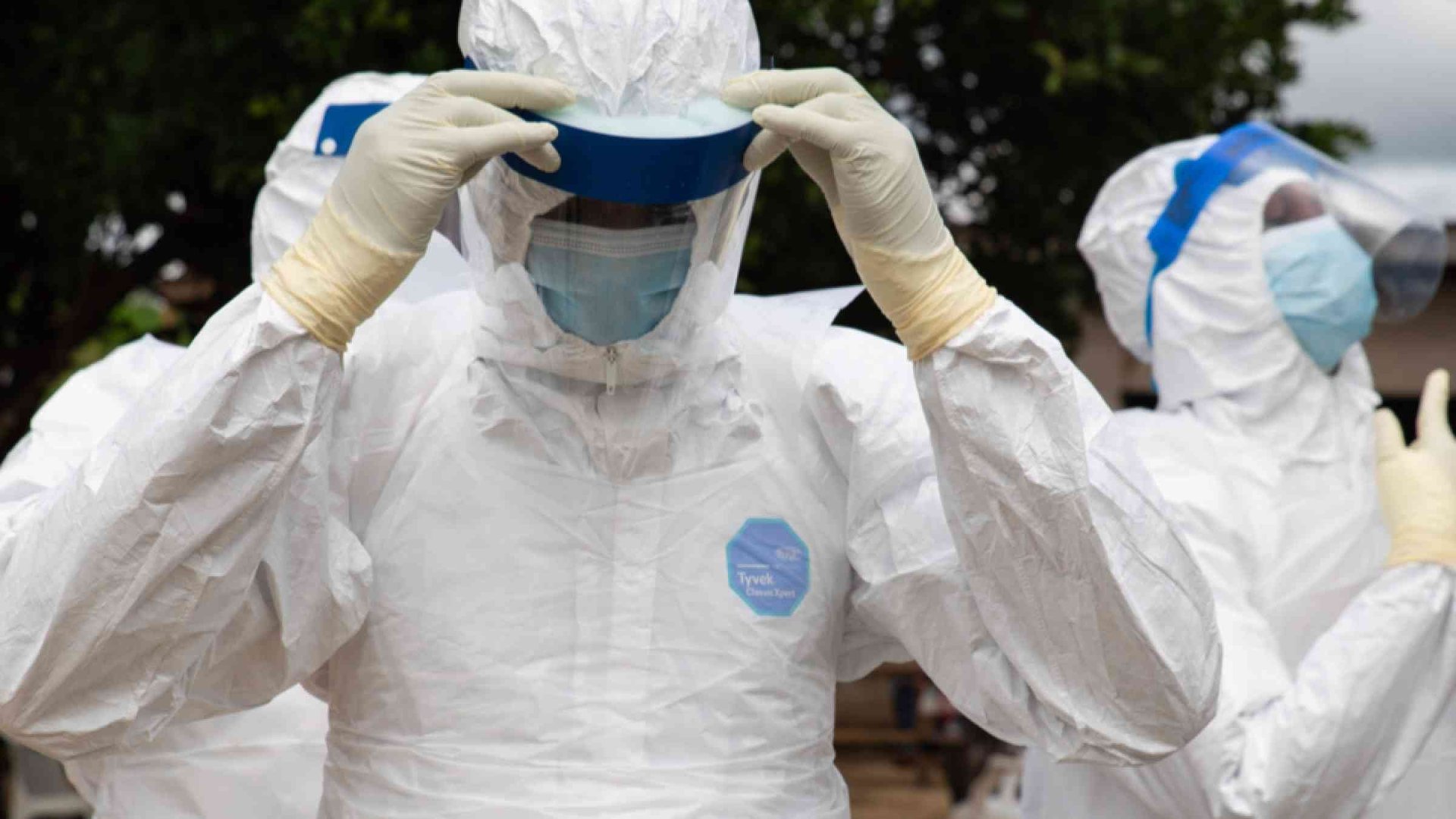
Deadly ‘Walking Ebola’ Outbreak in Congo Spreads at Alarming Rate: What Does This Mean for Australia’s National Security and Global Health?
- The Ebola outbreak in the Democratic Republic of Congo is on track to become the deadliest on record, with over 2,200 deaths and 4,700 confirmed cases.
- The highly contagious virus has overwhelmed the health system in the DRC’s north-east, with cases detected in neighbouring Uganda and fears of further spread.
- The outbreak’s rapid spread is attributed to delayed detection, inadequate contact tracing, and community mistrust, with many deaths occurring outside of treatment centres.
- The DRC’s porous borders and ongoing civil war are exacerbating the crisis, with concerns about the potential for cross-border transmission and regional instability.
The Ebola outbreak in the Democratic Republic of Congo has reached a critical point, with the World Health Organization warning that it is on track to become the deadliest on record.
The virus has already claimed over 2,200 lives and infected more than 4,700 people, with cases detected in neighbouring Uganda and fears of further spread.
The rapid spread of the virus is attributed to a combination of factors, including delayed detection, inadequate contact tracing, and community mistrust.
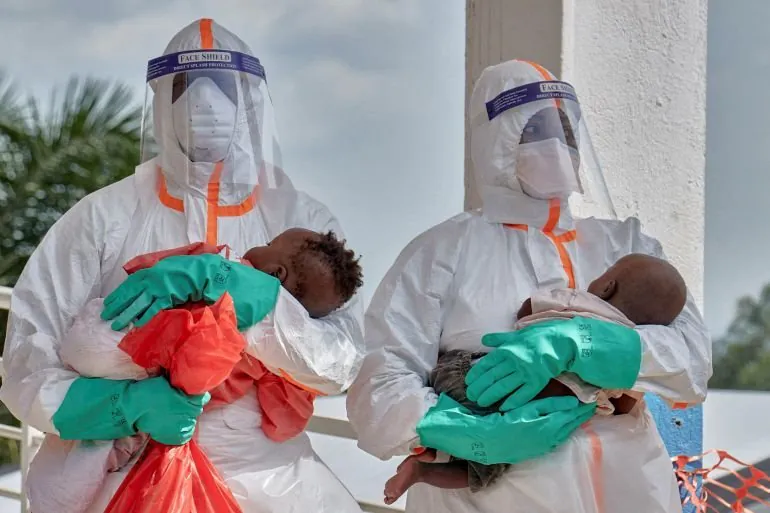
The outbreak has overwhelmed the health system in the DRC’s north-east, with many deaths occurring outside of treatment centres. The DRC’s porous borders and ongoing civil war are exacerbating the crisis, with concerns about the potential for cross-border transmission and regional instability.
The WHO has warned that the outbreak is moving faster than any previous Ebola epidemic, with the majority of new infections outpacing contact tracers and cases already detected in neighbouring Uganda.




So, what does this mean for Australia’s national security and global health? The outbreak has significant implications for regional stability and global health security.
The DRC’s porous borders and ongoing civil war create an environment conducive to the spread of the virus, with the potential for cross-border transmission and regional instability.
This could have far-reaching consequences for Australia’s national security, particularly in terms of our relationships with neighbouring countries and our role in regional health security initiatives.
Furthermore, the outbreak highlights the need for Australia to invest in global health security initiatives and support regional health infrastructure.
The WHO has warned that the outbreak is a wake-up call for the international community, highlighting the need for increased investment in health infrastructure and emergency preparedness.
Australia has a critical role to play in supporting these efforts, particularly in the Asia-Pacific region.
Analysis: What This Means for Australia
The Ebola outbreak in the DRC has significant implications for Australia’s national security and global health. The outbreak highlights the need for Australia to invest in global health security initiatives and support regional health infrastructure.
The WHO has warned that the outbreak is a wake-up call for the international community, highlighting the need for increased investment in health infrastructure and emergency preparedness.
Security analysts say that the outbreak has the potential to destabilize the region, with far-reaching consequences for Australia’s national security. “The outbreak has the potential to create a perfect storm of instability in the region,” said one analyst.
“Australia needs to be prepared to support regional health infrastructure and emergency preparedness initiatives to mitigate the risks associated with the outbreak.”
Law enforcement insiders warn that the outbreak also has implications for Australia’s border security. “The outbreak highlights the need for increased vigilance at our borders,” said one insider.
“We need to be prepared to respond quickly and effectively to any potential cases of Ebola in Australia.”
Industry observers believe that the outbreak will have significant economic implications for Australia, particularly in terms of our trade relationships with the region. “The outbreak has the potential to disrupt trade and commerce in the region,” said one observer.
“Australia needs to be prepared to support regional economies and mitigate the economic impacts of the outbreak.”
Expert Commentary
Dr. Michael Ryan, Executive Director of the WHO’s Health Emergencies Programme, said that the outbreak is a wake-up call for the international community.
“The outbreak highlights the need for increased investment in health infrastructure and emergency preparedness,” he said. “We need to be prepared to respond quickly and effectively to any potential health crises in the future.”
Dr. Ryan emphasized the importance of supporting regional health infrastructure and emergency preparedness initiatives.
“We need to work together to support regional health infrastructure and emergency preparedness initiatives,” he said. “This includes investing in health systems, supporting contact tracing and vaccination efforts, and providing humanitarian assistance to affected communities.”