Gun Buyback Scheme Sparks Fury: NSW Premier Vows to Fight Opposition at Ballot Box as Critics Label Plan ‘Bulls***’
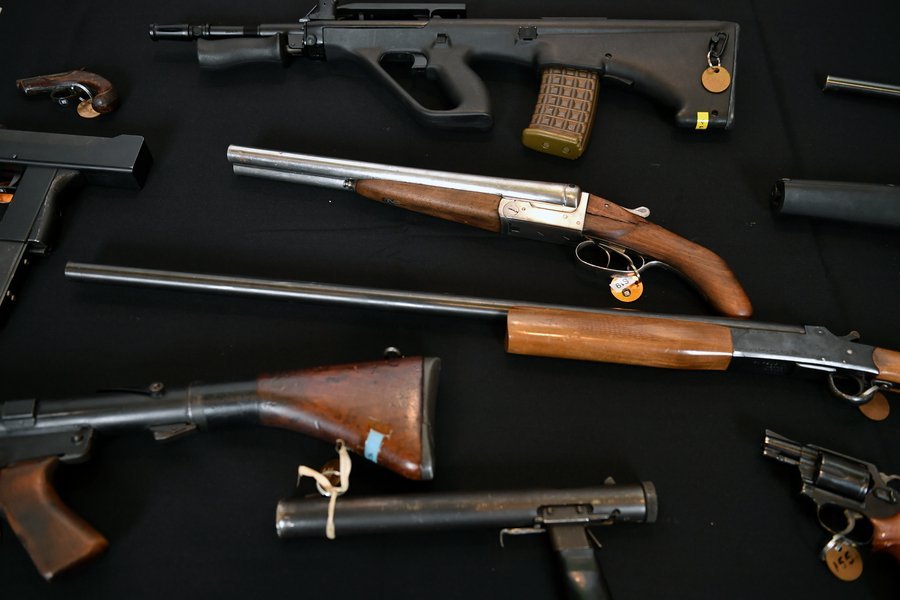
- Australia’s most ambitious gun buyback scheme in decades is set to take 274,000 firearms off the streets, but critics are labeling it a “slap in the face” to law-abiding gun owners.
- NSW Premier Chris Minns and Prime Minister Anthony Albanese have announced the joint scheme, which will see gun owners compensated up to $10,000 per firearm, but opponents claim it will do little to stop criminals and terrorists.
- The plan has sparked a heated debate, with One Nation leader Pauline Hanson and the NSW Opposition Leader Kellie Sloane slamming the scheme as a waste of taxpayers’ money that will only target law-abiding citizens.
- The scheme is set to start on November 2, with the NSW government and federal government splitting the costs, estimated to be in the hundreds of millions of dollars.
The announcement of the gun buyback scheme has sent shockwaves across the country, with critics and supporters alike weighing in on the plan.
NSW Premier Chris Minns and Prime Minister Anthony Albanese have hailed the scheme as a major step forward in reducing the number of firearms on the streets, but opponents claim it will do little to address the real issue of gun violence.
The scheme, which is part of the NSW government’s response to the Bondi Beach terror attack in December last year, aims to take 274,000 firearms out of circulation.
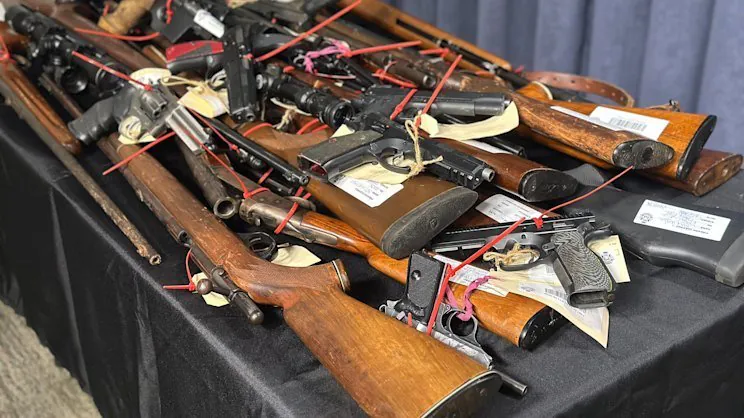
Gun owners will be compensated up to $10,000 per firearm, with the NSW government and federal government splitting the costs.
However, critics claim the scheme will only target law-abiding gun owners, such as farmers and sporting shooters, rather than the real culprits behind gun violence.

The debate has sparked a heated exchange between the NSW government and opposition parties, with One Nation leader Pauline Hanson labeling the scheme “a slap in the face” to law-abiding Australians.
NSW Opposition Leader Kellie Sloane has also slammed the plan, calling it “bulls***” and claiming it will do little to stop criminals and terrorists.
“You’ve got to be absolutely kidding yourself if you think that criminals, organised criminals, the people shooting up our streets in south-west Sydney, or that would-be terrorists are going to walk into a cop shop and hand over their guns,” she said.
Shooters, Fishers and Farmers MLC Mark Banasiak has also spoken out against the scheme, saying he will not surrender his firearms if he can legally avoid it and will encourage other license-holders to follow suit.
“Like many others, I am going through the steps of getting partners licensed up and getting my adult kids licensed up so they can take the firearms into their names,” he said.
Security analysts say the scheme is a step in the right direction, but more needs to be done to address the root causes of gun violence.
“The gun buyback scheme is a good start, but it’s only one part of the solution,” said one analyst.
“We need to look at the underlying issues that are driving gun violence, such as poverty, mental health, and social isolation, and address those if we want to see real change.”
Analysis: What This Means for Australia
The gun buyback scheme has significant implications for Australia’s national security and public safety. While the scheme aims to reduce the number of firearms on the streets, critics claim it will do little to stop criminals and terrorists.
Law enforcement insiders warn that the real challenge lies in addressing the root causes of gun violence, rather than just targeting law-abiding gun owners. The scheme also raises questions about the effectiveness of Australia’s firearms laws and whether they are doing enough to prevent gun violence.
Industry observers believe the scheme will have a significant impact on the firearms industry, with many gun owners and businesses likely to be affected.
The scheme may also lead to a black market for firearms, as some gun owners may choose not to surrender their firearms or may try to sell them on the black market.
This could have serious consequences for public safety and national security.
The scheme is also likely to have economic and social consequences, particularly for rural communities where firearms are often used for work and recreation. The scheme may lead to job losses and economic hardship for some families, particularly those who rely on firearms for their livelihood.
Ultimately, the success of the gun buyback scheme will depend on its ability to address the root causes of gun violence and whether it can be effectively implemented and enforced.
While the scheme is a step in the right direction, more needs to be done to address the complex issues surrounding gun violence in Australia.