
Australia’s Migration Timebomb: Pauline Hanson Demands Halt to ‘Do Not Travel’ Country Intakes Amid National Security Fears
- One Nation leader Pauline Hanson calls for immediate halt to migration from ‘do not travel’ countries, citing extreme security and terrorism risks
- Albanese government accused of failing to protect Australians with ‘business-as-usual’ approach to migration from high-risk countries
- Move comes as Coalition announces plans to reduce net overseas migration to fewer than 180,000 people a year, with tougher family visa rules and tighter restrictions on asylum seekers
- Experts warn of potential national security implications and community impact of unvetted migrants from hostile regions
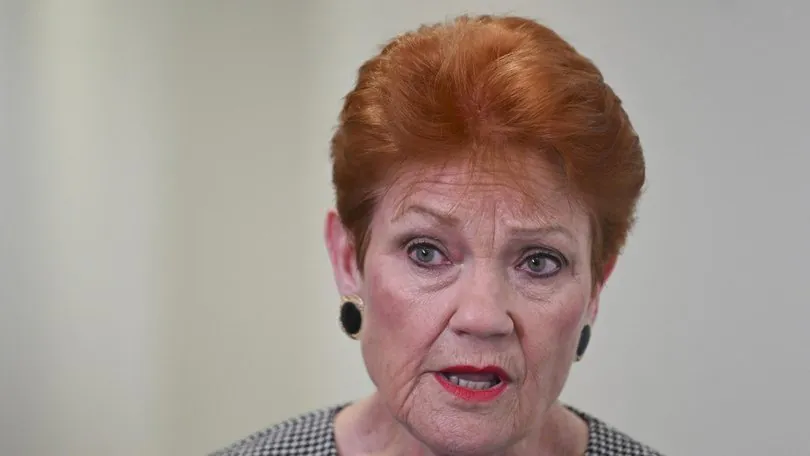
The debate over Australia’s migration policy has reached boiling point, with One Nation leader Pauline Hanson calling for a halt to intakes from ‘do not travel’ countries due to extreme security and terrorism risks.
The move has sparked a heated exchange with the Albanese government, which has been accused of failing to protect Australians with its ‘business-as-usual’ approach to migration from high-risk countries.
Hanson’s proposal, announced on Saturday, targets countries listed on Australia’s Smartraveller website as ‘do not travel’ destinations, including Afghanistan, Iran, the Democratic Republic of the Congo, Ukraine, North Korea, and Syria.
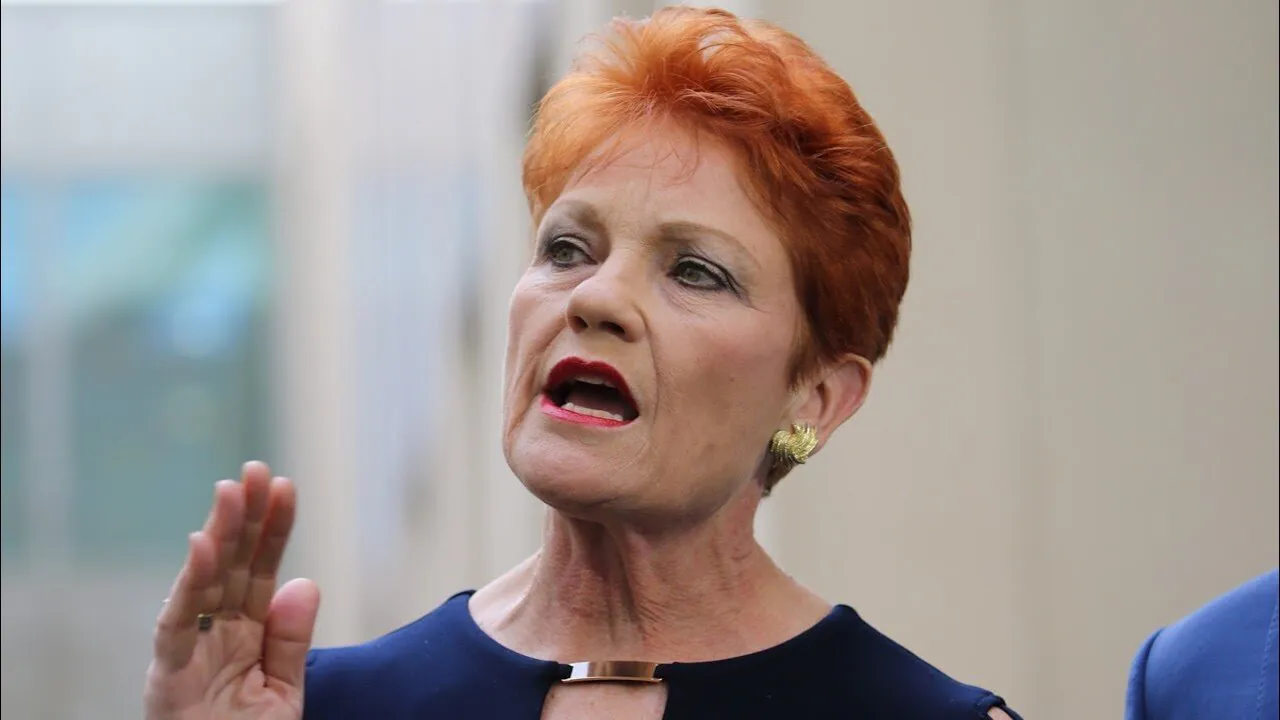
The One Nation leader claims that if the government warns Australians not to visit these countries due to extreme security risks, it should not continue accepting ordinary migration from them.
‘Australians have no faith that Labor is doing full security checks on new arrivals given the welcome mat has already been rolled out for returning ISIS brides and foreign terrorist fighters,’ Hanson said.
‘We can no longer ignore the real security risks presented to Australians from regions hostile to our interests and way of life.’
Minister for Climate Change and Energy Chris Bowen was quick to dismiss Hanson’s proposal, comparing it to a policy that would be enacted by US President Donald Trump.
‘Australia needs an Australian immigration policy, not one stolen from Donald Trump,’ he said. ‘Some of the countries on that list have provided Australia with wonderful migrants…
Iraq, Lebanon, countries like Afghanistan.’
However, Hanson’s concerns about national security are not unfounded. Experts warn that unvetted migrants from hostile regions can pose a significant threat to Australia’s safety and way of life.
‘Security analysts say that the government’s failure to properly screen migrants from high-risk countries is a ticking timebomb,’ said one security expert. ‘It’s only a matter of time before we see a major security breach or terrorist attack.’
Analysis: What This Means for Australia
The debate over migration policy has significant implications for Australia’s national security and community safety. The government’s approach to migration from high-risk countries must be carefully considered to ensure that Australians are protected from potential threats.
The Coalition’s plan to reduce net overseas migration to fewer than 180,000 people a year, with tougher family visa rules and tighter restrictions on asylum seekers, may be a step in the right direction.
However, more needs to be done to address the concerns of Australians who feel that the government is not doing enough to protect them.
Law enforcement insiders warn that the current migration system is vulnerable to exploitation by terrorists and other malicious actors.
‘The government needs to take a more proactive approach to vetting migrants and ensuring that they do not pose a threat to national security,’ said one law enforcement source.
‘This includes increasing funding for intelligence agencies and improving cooperation with international partners to share intelligence and best practices.’
Industry observers believe that the government’s approach to migration must also take into account the economic and social consequences of unvetted migration.
‘The government needs to ensure that migrants are properly integrated into Australian society and that they do not pose a burden on taxpayers,’ said one industry expert.
‘This includes providing adequate funding for language training, job placement services, and other forms of support.’
As the debate over migration policy continues, one thing is clear: the government must take a more proactive approach to protecting Australians from potential security threats.
This includes increasing funding for intelligence agencies, improving cooperation with international partners, and ensuring that migrants are properly vetted and integrated into Australian society.