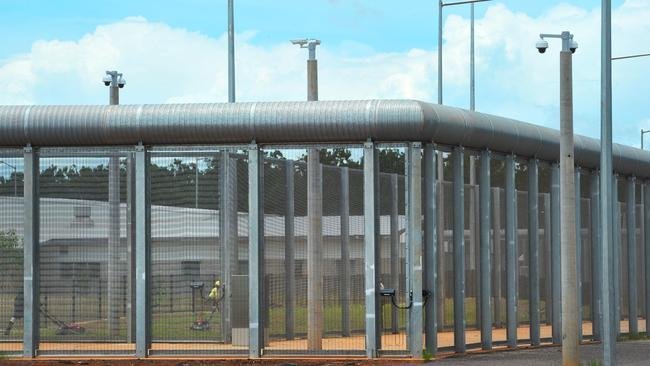
Darwin to Get Australia’s Largest Privatised Prison: Is This a Recipe for Disaster or a Solution to Overcrowding?
- The Northern Territory government has announced plans for a 1,200-bed men’s prison and 200-bed women’s facility, with the men’s prison to be built and operated by a private company.
- The proposal has sparked outrage from the United Workers Union, which claims privatising the prison will put profits over people and compromise community safety.
- The NT government says the private prison will provide better infrastructure and outcomes for community safety, but critics argue it’s a reckless decision that will only benefit corporations.
- The project is expected to take four years to complete, with the successful proponent to be contracted by the end of 2027.
The Northern Territory government’s plan to build a massive new prison in Darwin has sparked a heated debate about the role of privatisation in the corrections system.
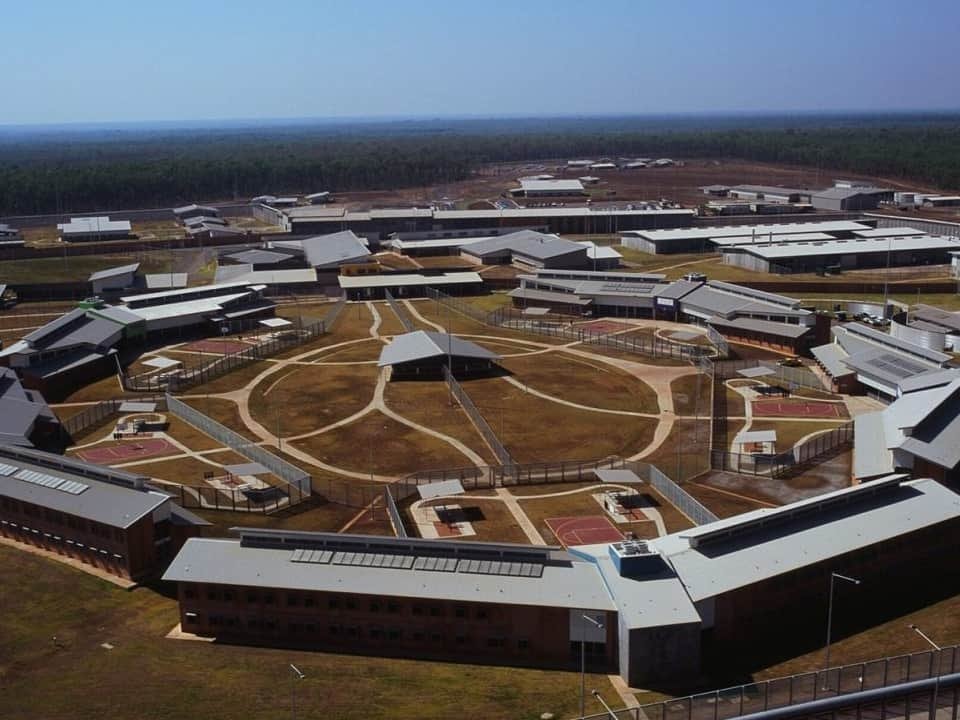
The 1,200-bed men’s prison and 200-bed women’s facility will be built adjacent to the existing Darwin Correctional Precinct, with the men’s prison to be designed, financed, built, operated, and maintained by a private company.
The NT government claims the private prison will provide better infrastructure and outcomes for community safety, but critics argue it’s a reckless decision that will only benefit corporations.
The United Workers Union has condemned the plan, labelling it “one of the most reckless corrections policy decisions ever proposed in the Northern Territory”.
At the heart of the controversy is the question of whether privatising the prison will compromise community safety.




Erina Early, NT Secretary of the United Workers Union, says privatising the operation of the men’s facility is “not about improving outcomes” but about “allowing private corporations to profit from incarceration”.
“A prison is not a commercial opportunity,” she said. “The deprivation of liberty is one of the most serious responsibilities of government and should never become a profit-making exercise.”
However, Commissioner Matthew Varley says examples in other jurisdictions indicate private prisons “can be part of a sustainable, integrated and effective system”.
He argues that the private prison will remain under his “custody, control, coordination and direction”, and that the community can rest assured that the quality and safeguards are high.
So, what does this mean for Australia?
The use of private prisons is not new in this country, with eight privately operated prisons already in operation across New South Wales, Victoria, Western Australia, and South Australia.
However, the NT government’s plan is significant due to its scale and the fact that it will be the largest privatised prison in Australia.
Analysis: What This Means for Australia
The NT government’s decision to privatise the prison raises important questions about the role of private companies in the corrections system. On the one hand, private prisons can provide better infrastructure and services, which can lead to improved outcomes for prisoners and the community.
On the other hand, there is a risk that privatising the prison will compromise community safety and put profits over people.
Security analysts say that the use of private prisons can be a double-edged sword. While they can provide cost savings and improved efficiency, they can also create new risks and challenges.
For example, private prisons may be more focused on making a profit than on rehabilitating prisoners, which can lead to higher recidivism rates and compromise community safety.
Law enforcement insiders warn that the NT government’s plan may also create new challenges for corrections officers and the broader community.
For example, the use of private prisons can create a lack of transparency and accountability, making it harder to monitor and evaluate the effectiveness of the corrections system.
Industry observers believe that the NT government’s plan is a sign of a broader trend towards privatisation in the corrections system. As the demand for prison places continues to grow, governments are looking for new ways to provide cost-effective and efficient corrections services.
However, this trend also raises important questions about the role of private companies in the corrections system and the potential risks and challenges associated with privatisation.
Ultimately, the NT government’s plan to privatise the prison is a complex and contentious issue that requires careful consideration and evaluation.
While it may provide some benefits, such as improved infrastructure and services, it also raises important questions about community safety, accountability, and the role of private companies in the corrections system.