
SHOCKING Study Reveals ONE in SIX Kimberley Kids are Carrying Potentially Deadly Strep A Bacteria – with Many Cases Left Undiagnosed
- Alarmingly high rates of strep A infection found in Kimberley school children, with one in six carrying the potentially life-threatening bacteria
- Researchers warn that asymptomatic cases are leaving children at risk of developing chronic diseases, including fatal rheumatic heart disease
- New study aims to develop earlier detection methods, with hopes of reducing the staggering 55-fold increased risk of death for Aboriginal and Torres Strait Islander children
- Experts call for greater focus on social and environmental issues affecting young children, as new Point-of-Care tests promise to revolutionise diagnosis and treatment
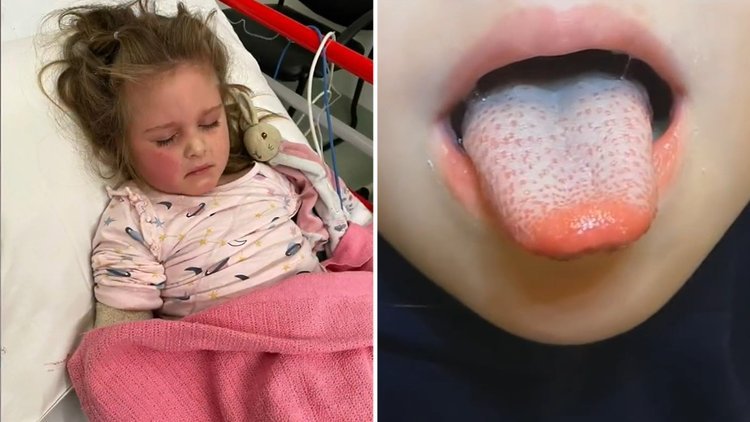
A groundbreaking study has uncovered the shocking truth about the prevalence of strep A bacteria among Kimberley school children, with a staggering one in six found to be carrying the potentially deadly infection. The four-year research project, led by the Kids Research Institute Australia, involved weekly swabs from up to 250 students, revealing “significantly more cases of strep A circulating than first thought”.
Professor Asha Bowen, lead researcher, expressed grave concern about the findings, stating, “The results tell us there’s a lot more children at risk of rheumatic fever than are currently being counted through the standard clinic procedures because the symptoms aren’t bad enough for them to think ‘I need to go to clinic’.” The study’s alarming numbers have sparked urgent calls for action to prevent the development of chronic diseases, including acute rheumatic fever (ARF) and rheumatic heart disease (RHD).
While ARF can be treated, RHD can be fatal, with Aboriginal and Torres Strait Islander children a staggering 55 times more likely to die from the disease than non-Indigenous children. The project’s findings have significant implications for the development of early detection methods, with researchers now exploring Point-of-Care tests that could provide results within just 20 minutes.
“This is a game-changer,” said Professor Bowen. “We are looking at ways to detect and treat strep A earlier and more quickly, which would refine our ability to provide care to the kids who need it the most, as quickly as possible.” The study’s authors hope the findings will inform guidelines and clinical care, leading to greater investment in RHD prevention.

In a heartfelt plea, Derby Aboriginal Health Service chief executive Shelley Kneebone said, “I hope the true burden of infection discovered will emphasise the need for greater focus on the social and environmental issues that affect our young children.” As the fight against strep A continues, one thing is clear: the Kimberley community is in desperate need of urgent action to protect its most vulnerable members.