
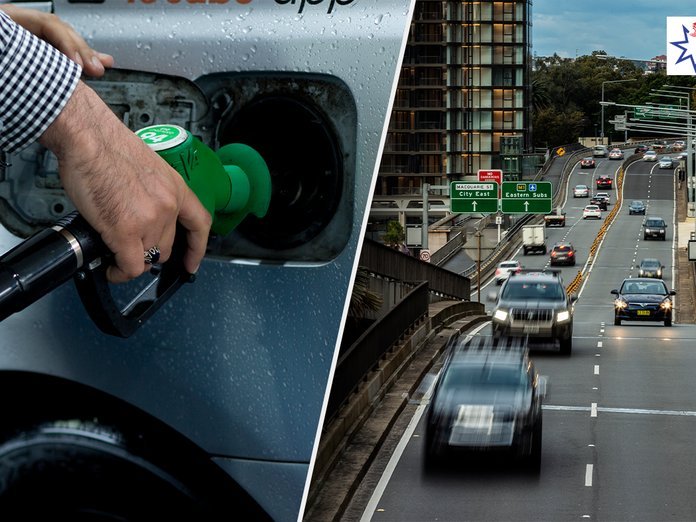
PETROL PRICE SHOCK: Motorists Slugged with Up to 50c Price Hike Per Litre Ahead of Christmas
- Queensland motorists are being slugged with huge price hikes at the bowser, with some retailers charging up to $2.16 per litre
- The average motorist will pay around $25 more to fill up their tank, sparking outrage from the RACQ
- Experts claim the price hike is a “cash grab” from fuel companies, with some retailers accused of deliberately shortening the fuel price cycle to coincide with Christmas
Queenslanders are being hit with a petrol price shock ahead of Christmas, with some retailers increasing their prices by up to 50c per litre. The sudden hike has sparked outrage from the RACQ, which claims the price increase is a “cash grab” from fuel companies.
According to the RACQ, around 30% of Queensland’s retailers have pushed up their prices, with some in Brisbane selling fuel for as high as $2.16 per litre. The increase is expected to add around $25 to the average motorist’s fuel bill.
RACQ’s Principal Economic and Affordability Specialist, Dr Ian Jeffreys, slammed the price hike as “deliberate”, “unfair” and “unjustified”. “This hike is simply unfair — there is no good reason for fuel companies to be increasing their prices this close to Christmas,” Dr Jeffreys said.
Dr Jeffreys accused some retailers of deliberately shortening the fuel price cycle to coincide with Christmas, in order to maximise profits. “Throughout 2025, fuel price cycles have typically lasted between five and six weeks, but the latest cycle has lasted just four weeks, and fuel companies are already moving back into the hiking phase,” he said.
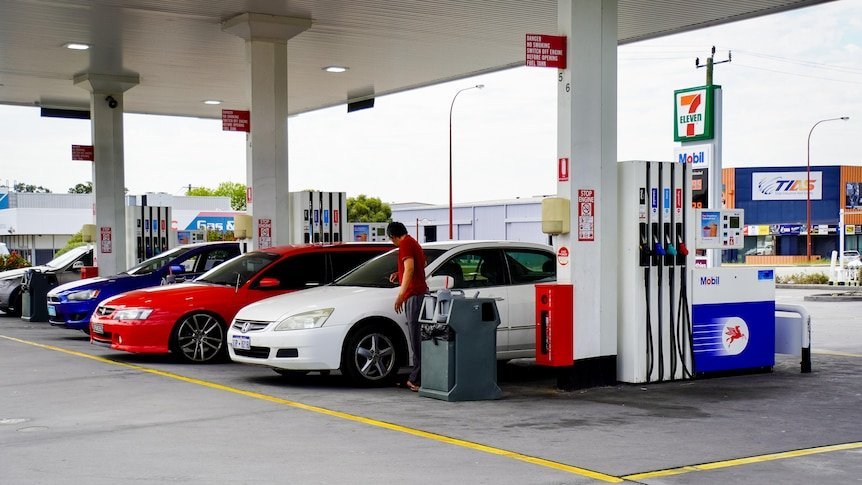
The RACQ has urged the state government to regulate the fuel market, but so far, the Queensland Government has only indicated that it is “considering” the proposal. “We’re now working on modelling to help make market regulation a reality,” Dr Jeffreys said.
Meanwhile, motorists in Sydney are enjoying cheaper petrol prices, with some stations in the Inner West selling fuel for as low as $1.40 per litre. The city’s fuel cycle reached its peak last week, and prices are expected to continue dropping over Christmas and into the new year.