

Islamic Leader’s Heart-Wrenching Plea: ‘Don’t Pray for Terrorists, Pray for the Victims’ as He Condemns ‘Monsters’ Behind Australia’s Worst Terror Attack
- Imam Uzair Akbar denounces Sajid Akram and son Naveed as ‘monsters’ who brought ‘great disservice to Islam’
- He tells followers NOT to pray for the terrorists, but instead for the Jewish community and those affected by the tragedy
- Akbar warns that extremism must be quashed ‘early before they escalate into violence’ to prevent further atrocities
In a powerful and emotional sermon, Imam Uzair Akbar has urged his followers to reject the ‘monsters’ behind Australia’s worst terror attack and stand in solidarity with the Jewish community. Speaking at the Holland Park Mosque in Brisbane, Akbar condemned Sajid Akram and his son Naveed as ‘wretched people’ who had brought ‘great disservice to Islam’.
‘Monsters, wretched people, came to violate the fabric of this beautiful country, in the name of faith, they took the life of innocent people,’ he declared, his voice filled with anguish. ‘I will start off by saying, do not pray for them, do not pray for the murderers.’
Akbar’s words were a stark rebuke to the terrorists who killed 15 innocent people at Bondi Beach on December 14. He warned that anyone who takes the life of innocent people has ‘nothing to do with faith’ and that Sajid, who was shot dead by police, had died ‘without faith’.
‘According to Islamic tradition, there’s no hope (for Sajid),’ he said, his voice firm but sorrowful. ‘We know that if a person has left without faith — and we are certain that he has left without faith — there’s no rescue. There’s no salvation. There’s no redemption. There’s no dua (personal prayer made to Allah).’
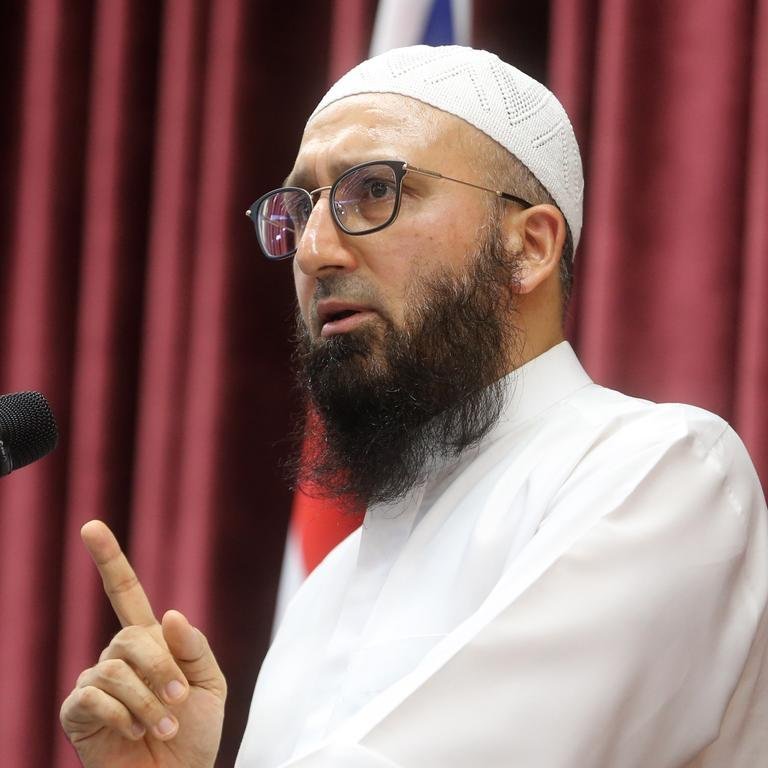
Akbar, who was born in England and grew up in Pakistan, said the reaction to the attack would have been much different in the mostly-Islamic country. ‘If anyone from their community, that they don’t approve of, does something similar to this — what took place in Bondi Beach — what would the Muslims in Pakistan do to that community?’ he asked, his voice rising in indignation.
‘We will say we have nothing to do with this. It’s these two monsters that did it in the name of our faith, but we do not approve of it. No one will listen. We will burn their houses, we will murder every person.’
But Akbar’s message was not just one of condemnation — it was also one of hope and solidarity. He urged his followers to pray for those ‘in hospital right now’ and ‘those that are grieving for the lost ones’. And in a heartfelt gesture, he reached out to the Jewish community, saying: ‘I feel deeply for my Jewish brothers and sisters affected by this tragedy.’
‘I want them to know that we stand with them in solidarity against anti-Semitism and violence,’ he said, his voice filled with emotion. ‘We must quash the issue of extremism in Islam early before they escalate into violence.’