
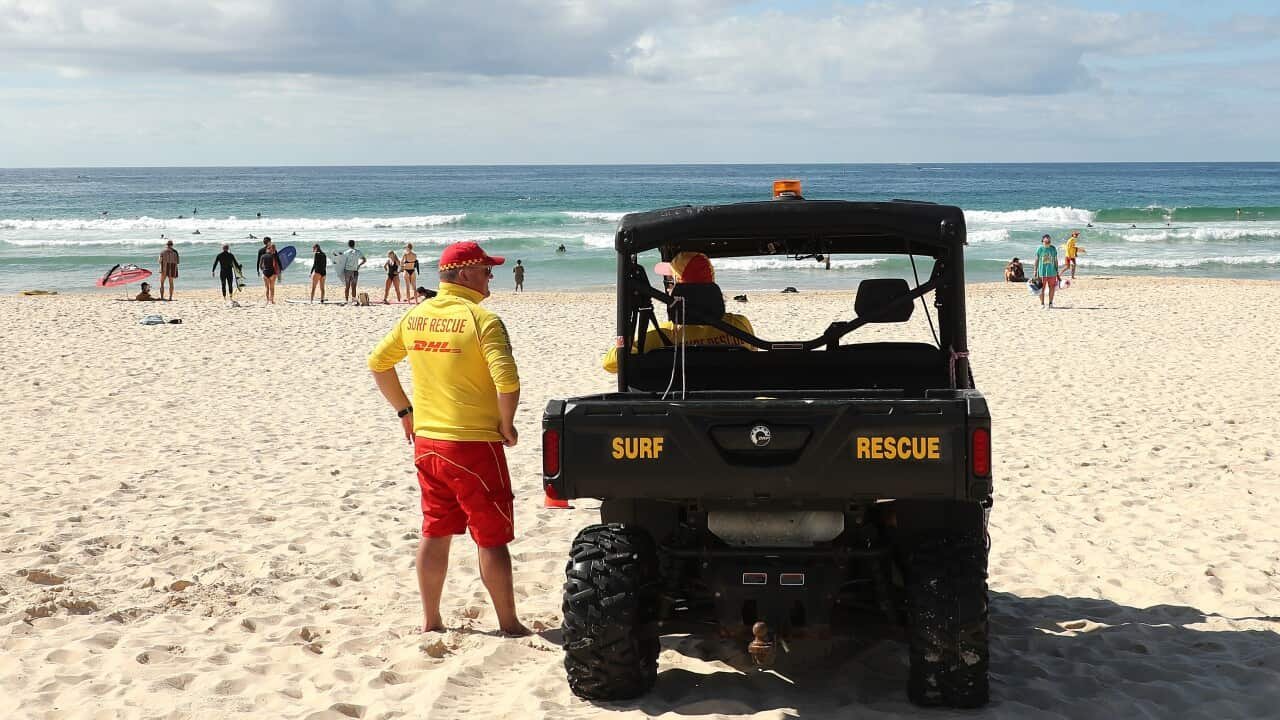
EXCLUSIVE: The Hidden Drowning Epidemic Claiming Hundreds of Lives in Australia – And the Shocking Reason Why Migrants Are Most at Risk
- A staggering 8.2 million Australians are at a heightened risk of drowning, with migrants and refugees disproportionately represented in fatality statistics
- A decade-long analysis of drowning deaths reveals a disturbing trend: 34% of all fatalities were foreign-born, with 36% being new arrivals to Australia
- Experts warn that cultural and linguistic barriers, combined with a lack of access to swimming lessons, are exacerbating the crisis – but a new wave of community-led initiatives offers hope
- Meet Ramzi Hussaini, a refugee boat survivor-turned-lifeguard who’s dedicating his life to teaching others how to swim and stay safe in the water
For Ramzi Hussaini, the memories of his perilous boat journey from Afghanistan to Australia over a decade ago are still etched vividly in his mind. The then-teenager had never been exposed to open water before, and the experience was nothing short of terrifying. “Being with so many other bodies or people in the boat where you can’t even stretch your legs… it’s overcrowded. The water is rough. You go to sleep with water around you, and you wake up, still with water around you, spending days in the water and getting the sun burns,” he recounts.
But Hussaini’s story took a dramatic turn when he arrived in Melbourne in 2011. After a near-drowning experience in a pool, he was motivated to take up swimming lessons – and eventually became a lifeguard. Today, he’s dedicated to teaching others how to swim and stay safe in the water. “I think that, for me, even being around the water is a great achievement,” he says.
But Hussaini’s story is far from an isolated one. A damning report by the Royal Life Saving Society Australia (RLSSA) reveals that migrants and refugees are disproportionately represented in drowning fatality statistics. In the past decade, 34% of all drowning deaths were foreign-born, with 36% being new arrivals to Australia. The figures are even more alarming when broken down by country of origin: nearly one in five drowning victims between 2013 and 2023 were people born in India, Nepal, and China.
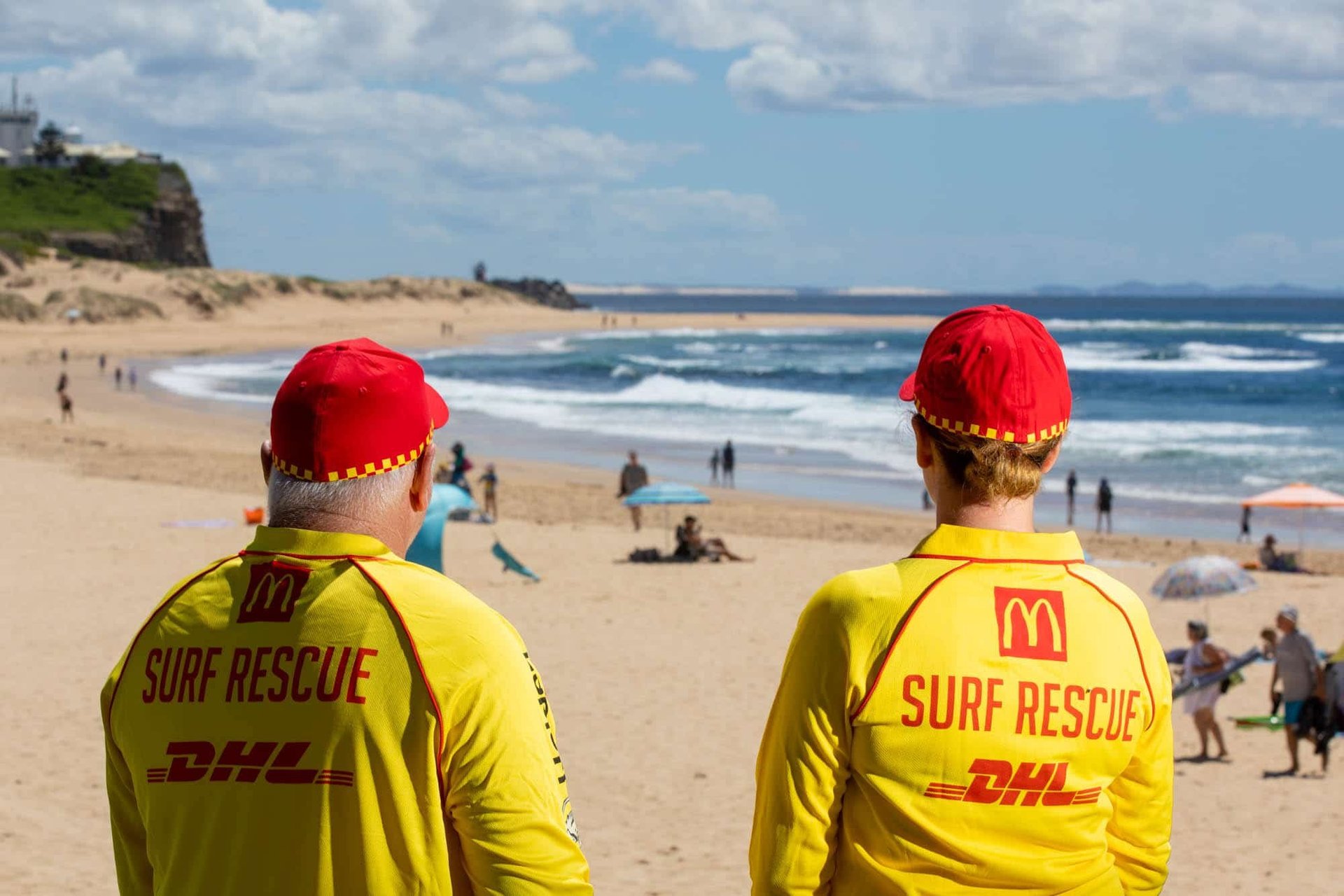
So, what’s driving this disturbing trend? Experts point to a combination of cultural and linguistic barriers, lack of access to swimming lessons, and limited awareness of water safety. “We need to be really careful not to assume that people are ignorant or that they haven’t had experience before, because a lot of people actually have, but that knowledge doesn’t necessarily translate to the conditions here in Australia,” warns Stacey Pidgeon, RLSSA’s research and policy manager.
But there’s hope on the horizon. Community-led initiatives like the Aqua English Project, which empowers refugees and new arrivals to Australia through swimming and language lessons, are making a real difference. “Our programming is collectivist because a lot of the cultures we get people from are collectivist, whereas swimming and Australian life in general is actually not of a collectivist mindset. It’s an individual mindset,” explains Sarah Scarce, who runs the program.
As the summer holidays approach, experts are urging Australians to be aware of swim safety at beaches, pools, and other waterways. But for migrants and refugees, the risks are even higher. It’s time for a new wave of community-led initiatives to help bridge the gap – and save lives.
As Dr Harpeet Kandra, a Melbourne academic and Sikh community leader, puts it: “If you keep learning about water safety in a closed classroom environment, that won’t work. We need to get people into water and make them learn swimming. We don’t promise that they will become swimming experts, but once people get into water, they understand the force of water. They understand what fun they can have in water. And that’s where we start telling them that it’s vital for us to engage with water in a safe way.”