
Tragedy Strikes: Toddler’s Drowning Death Exposes Deadly Flaw in Aussie Backyards – Mum’s Desperate Plea for Change
- A four-year-old girl’s horrific drowning death in a neighbour’s pool has sparked a fierce campaign for stricter pool safety laws in Victoria.
- The coroner’s report revealed a critical flaw in the pool’s boundary fence, which was deemed non-compliant, leading to the tragic incident.
- A petition demanding mandatory four-sided isolation fencing around all private pools has already garnered over 1,000 signatures, with the mum vowing to turn her grief into action.
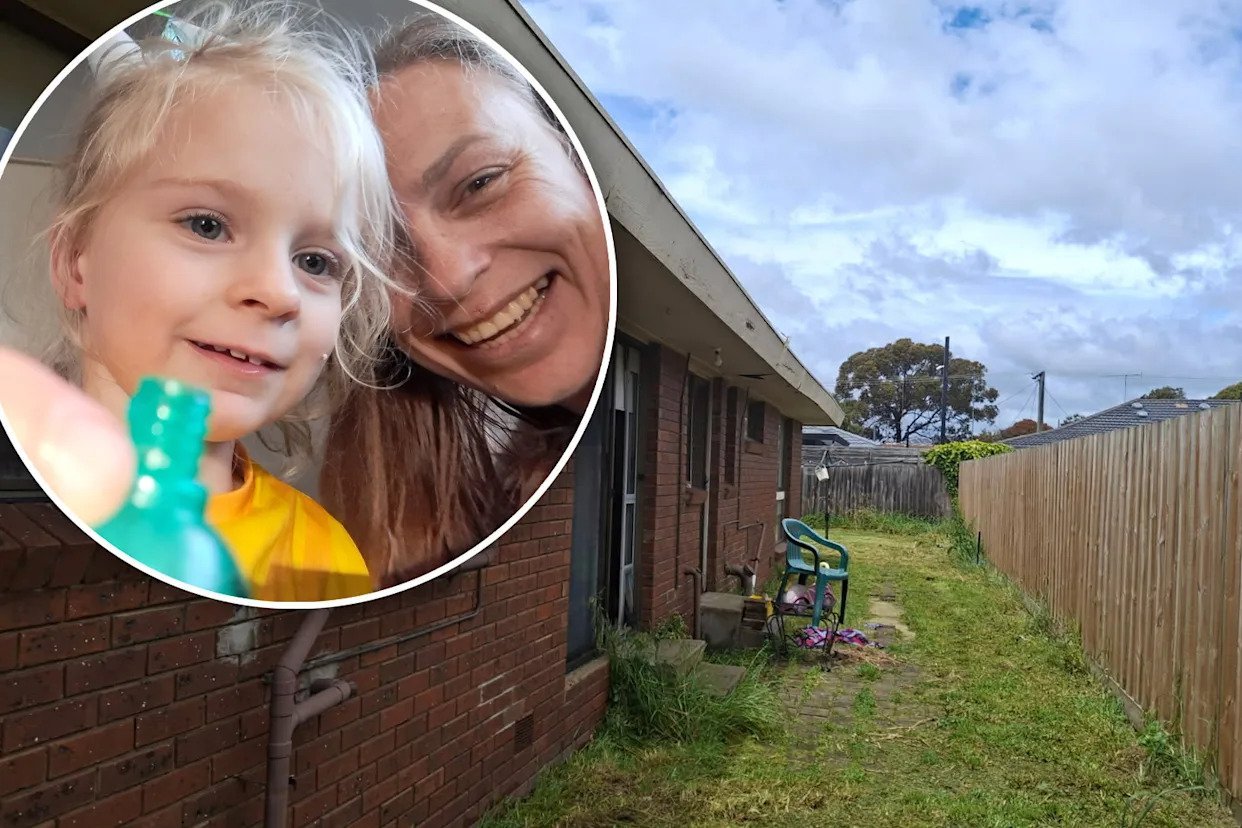
Rhiannon Egan-Lee’s life was forever shattered when her four-year-old daughter, Ivy Bella Roze, drowned in a neighbour’s pool after crawling through a gap in the fence. The little girl, who had not yet learned to swim, was pronounced dead 11 days later, leaving her family in tatters.
“The moment I saw her, I just felt hollow. I still feel hollow,” Ms Egan-Lee recalled, her voice trembling with emotion. “It has completely devastated not just my household, but my entire immediate family. We’re hanging on by a thread here.”
The coronial investigation into Ivy’s death revealed a shocking oversight – the neighbour’s fence was non-compliant, and the pool owner had been issued a certificate of barrier compliance despite the fence’s critical flaws. The coroner slammed the pool owner’s responsibility, stating that maintaining safety barriers is solely their duty, not a shared responsibility with neighbours.
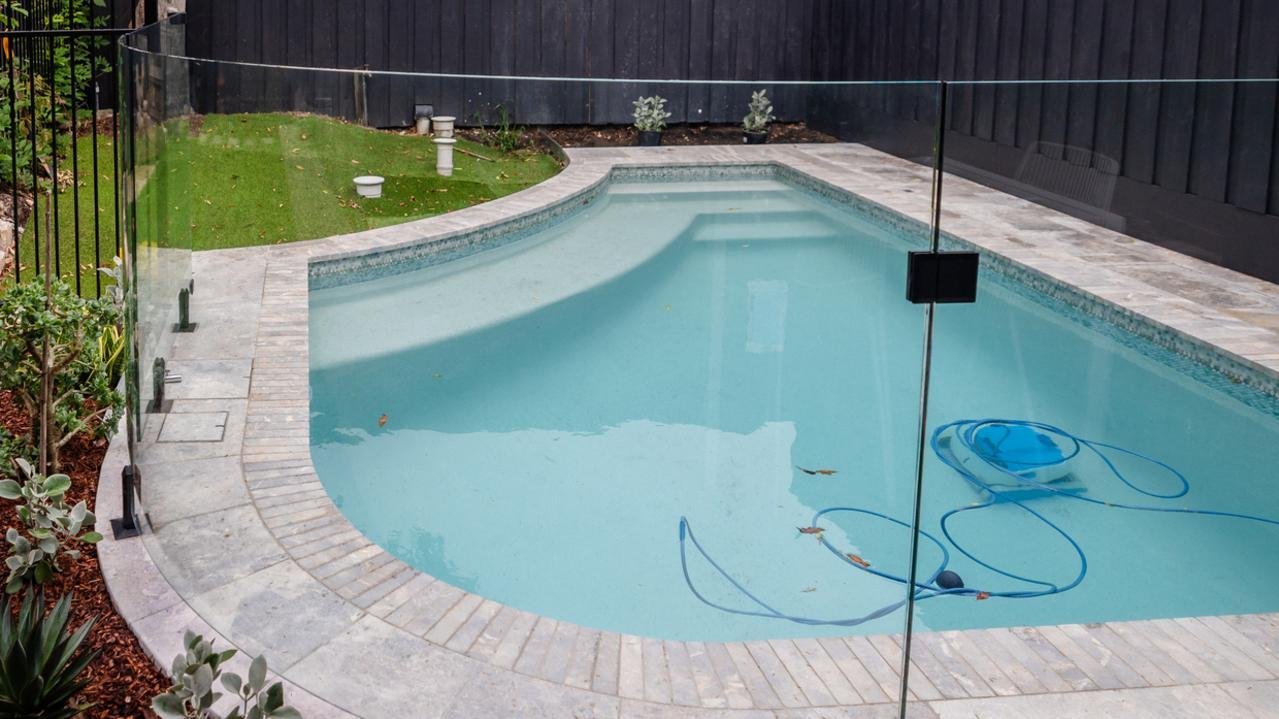
In a heart-wrenching tribute, Ms Egan-Lee described Ivy as her “little superhero”, a bright and adventurous girl who loved dressing up as Emma Wiggle. The mum’s grief has sparked a fierce determination to change the laws, and she has launched a petition demanding mandatory four-sided isolation fencing around all private pools.
Data from Life Saving Victoria shows that between 2000 and 2024, there were 94 home pool and spa drownings in Victoria, with nearly a third involving children under 14. The organisation’s general manager, Andy Dennis, agrees that four-sided isolation barriers are the most effective way to prevent child drownings, but acknowledges the challenges of implementing retrospective barrier upgrades.
As the first anniversary of Ivy’s death approaches, Ms Egan-Lee is determined to turn her tragedy into action. “The current legislation allows for boundary fences to be used, and it is very unsafe,” she warned. “We are losing children, and we will lose more children to this.”