

China’s War on Smog Sparks Shocking Consequences for Australia: Researchers Reveal How Beijing’s Pollution Crackdown Has Fueled Our Bushfires and Droughts
- China’s drastic measures to clear its notorious smog have had a profound impact on Australia’s weather, researchers have found.
- The reduction in aerosol emissions has been linked to the country’s devastating bushfires and droughts, with scientists warning of more extreme weather events to come.
- The study’s findings have sparked urgent calls for Australia to increase its research into the effects of aerosols on our climate, with experts warning we are “not pulling our weight” in this critical area.
In a shocking revelation, researchers have discovered that China’s war on smog has had a profound impact on Australia’s weather, fueling our devastating bushfires and droughts. The drastic measures implemented by Beijing to clear its notorious smog have reduced aerosol emissions, which in turn has led to a rise in global temperatures and extreme weather events.
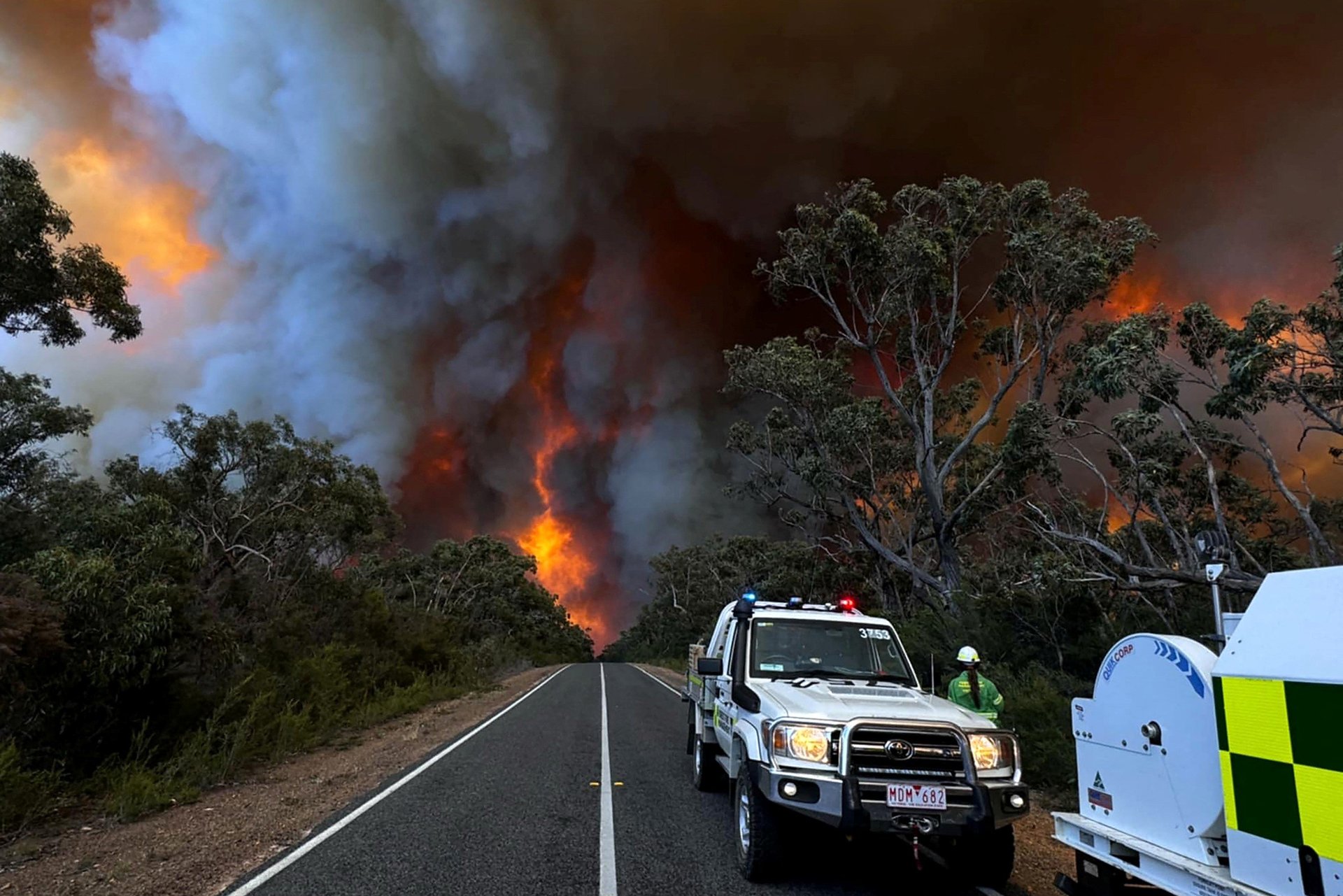
The study, published in 2025, found that the reduction in aerosol emissions has had a significant impact on Australia’s weather patterns, particularly in the 2010s. Researchers linked the hot and dry weather in Australia during this period to China’s aerosol reductions, which reduced moisture across large parts of the country and significantly raised the risk of bushfires in all states and territories.
Despite Australia’s relatively high rainfall since 2020, the study’s authors warn that the impact of China’s emissions reduction on Australian weather is ongoing. “The marked increase in Australian rainfall after 2020 does not invalidate conclusions about the influence of Chinese aerosols on Australia’s climate,” said Professor Yang Yang, one of the study’s authors.
Climate scientists have long warned that the reduction in aerosol emissions would lead to an increase in global temperatures, as the cooling effect of these particles is diminished. “It’s like removing a mask that was hiding the warming,” said Finnish Meteorological Institute researcher Joonas Merikanto.
The study’s findings have sparked urgent calls for Australia to increase its research into the effects of aerosols on our climate. “We’re not pulling our weight in aerosol research,” said Dr Tim Cowan, a researcher who has studied the impact of Asian aerosol emissions on Australian rainfall.
Dr Melita Keywood, a CSIRO scientist, agreed that Australia had not placed enough research attention on aerosols, particularly in the context of rainfall. “It’s something that’s kind of always been in the hard basket because it’s quite [computationally] intensive,” she said.
As scientists continue to unravel the complex consequences of China’s smog reversal, more of Australia’s Asian neighbours are seeking to emulate its success. However, climate experts warn that reducing pollution in countries like India and Bangladesh will likely increase heating and extreme weather in the South Asian region.
“From the temperature point of view, there will definitely be a local increase,” said Dr Karsten Haustein, a climate expert who has studied the impact of aerosols on global temperatures.
As Australia grapples with the consequences of China’s pollution crackdown, experts are urging the government to take a more proactive approach to aerosol research. “We need to understand the role aerosols play in driving our climate,” said Dr Cowan. “It’s not just a matter of reducing pollution; it’s about understanding the complex interactions between aerosols, climate, and weather patterns.”