
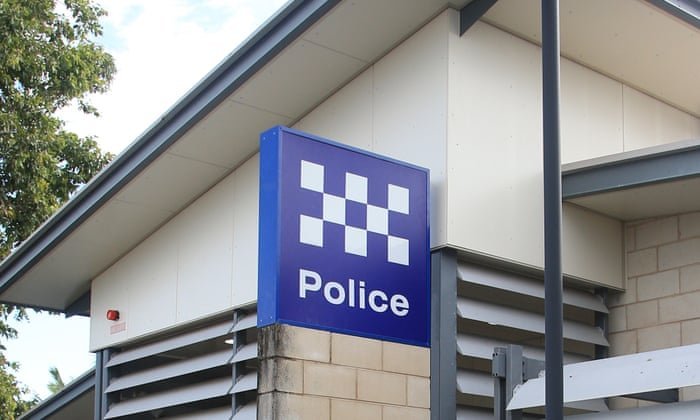
Aboriginal Mother’s Mysterious Death in Custody Sparks Outrage: Autopsy Fails to Determine Cause as Community Demands Answers
- A 44-year-old Aboriginal mother’s death in a Northern Territory police watch house remains a mystery after an autopsy failed to determine the cause.
- The woman, who suffered from a potentially deadly heart condition, was found unresponsive in her cell almost 30 minutes after CCTV footage showed her falling to the ground.
- Her family and the community are demanding answers, with many calling for an independent investigation into the circumstances surrounding her death.
- The incident has sparked renewed concerns about the treatment of Indigenous Australians in custody, with advocates claiming that inadequate medical care and a lack of trust in police are major contributing factors.
The Aboriginal mother, whose name has not been released, was arrested on Christmas Day for aggravated assault and spent almost two days in the Tennant Creek watch house before her tragic death on December 27.
According to Assistant Commissioner Peter Malley, CCTV footage showed the woman falling to the ground at 12:34pm, but she was not discovered until the next cell check at 1:03pm. “While further testing is required to determine a formal cause of death, the current information suggests that the woman suffered a medical event alone in her cell,” he said.
However, multiple sources have revealed that the woman suffered from rheumatic heart disease, a condition that can be deadly if left untreated. Her loved ones have left floral tributes outside the police station, and the community is in shock.

Theresa Roe, chairperson of the North Australian Aboriginal Justice Agency (NAAJA), has slammed the police’s handling of the situation, saying that relying on police to gather health information after making an arrest is “doomed to failure”. She cited language barriers, sensitivities around disclosing personal details, and mistrust of police as major reasons why people may not disclose health information when taken into custody.
“NAAJA regularly receives complaints about inadequate medical care in police watch houses, with clients denied access to the custody nurse for lengthy periods, medical issues going untreated or being denied (or unable to access) medication,” Ms Roe said. “As this case demonstrates, it is crucial to have an independent, health-trained person speak with every individual taken into custody.”
The incident has sparked renewed calls for an independent investigation into the death, with many echoing similar demands made by the family of 24-year-old Warlpiri man Kumanjayi White, who also died in police custody last year. Assistant Commissioner Malley has defended the police’s handling of the investigation, saying that he has “full confidence” in the detectives working on the case.
However, the community remains skeptical, and the incident has sparked widespread outrage. As one local resident said, “This is a respectful, friendly, and bubbly woman who did not deserve to die in custody. We demand answers, and we demand justice.”