
BREAKING: Australia Slammed for ‘Hypocrisy’ Over US Seizure of Venezuelan President – As Hundreds Defy Protest Ban to Condemn ‘Kidnapping’ of Nicolas Maduro
- Hundreds of protesters defy ban to rally against US ‘kidnapping’ of Venezuelan President Nicolas Maduro
- Australia accused of ‘hypocrisy’ for failing to condemn US actions, despite backing Ukraine against Russia
- Expert warns of ‘pseudo fascist state’ in US, posing dilemma for Australia and Western allies
In a shocking display of defiance, hundreds of protesters gathered in Sydney’s CBD on Sunday to condemn the US seizure of Venezuelan President Nicolas Maduro, despite a ban on public assemblies. The rally, which drew members of Australia’s Latin American community and anti-imperialist protesters, was a clear rebuke of the US’s extraordinary military action.
Maduro and his wife Cilia Flores were captured by US special forces operatives on January 3 and whisked away to New York, where they pleaded not guilty to charges related to alleged narco-terrorism and a cocaine importation conspiracy. The move has sparked widespread outrage, with many viewing it as a blatant violation of international law.
“It’s total hypocrisy, because if the government in Russia is going to be strongly condemned and there are going to be international sanctions for its invasion of Ukraine, then why can the United States conduct itself in that manner,” said Dr Rodrigo Acuña, a Latin American affairs expert.
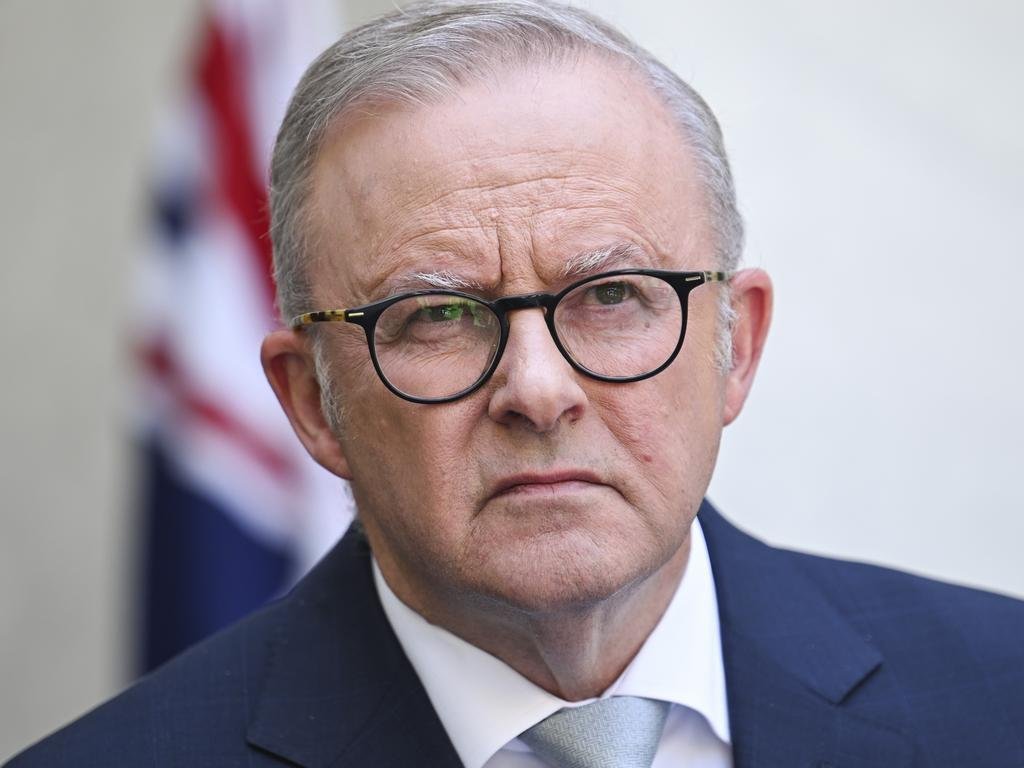
Australia’s response to the crisis has been criticized for being too cautious, with Prime Minister Anthony Albanese saying the government is “monitoring developments” and backing “international law and a peaceful, democratic transition” in Venezuela. However, this has been seen as insufficient by many, who are calling for a stronger condemnation of the US’s actions.
“People would expect a stronger statement being made by the Australian Government,” Dr Acuña said. “What occurred was a clear violation of international law… You cannot simply just bomb a country, send in your air force and your special operations teams, military teams, and kidnap a head of state and his wife on bogus charges.”
The US’s actions in Venezuela have sparked fears of further military intervention in the region, with threats made against democratically elected governments in Colombia, Greenland, and communist Cuba. This has posed a dilemma for Australia and its Western allies, who are struggling to balance their relationships with the US while also upholding international law.
“There will be a line in the sand that will have to be drawn,” Dr Acuña warned. “Does Australia want to be associated with such a country? What if Greenland says, ‘No, we’re not going to integrate ourselves into the United States’, and the United States decides to militarily intervene and take over Greenland? It’s just going to become more and more embarrassing for the Australian government.”
Foreign Minister Penny Wong has said that Australia is engaging with “international partners” to monitor developments in Venezuela and urging dialogue and diplomacy to ensure regional stability. However, this has been seen as too little, too late by many, who are calling for a more robust response to the crisis.
The situation in Venezuela has been marked by years of unrest and economic free fall, with as many as eight million Venezuelans fleeing the country since 2014. The US’s actions have only added to the instability, with many fearing that the situation could escalate further in the coming days.