
Mosquito Alert: Deadly Japanese Encephalitis Virus Spreads in NSW, Leaving Residents on High Alert
- A probable case of the rare but deadly Japanese Encephalitis (JE) virus has been detected in a man in his 60s in southern NSW.
- The virus, spread by mosquitoes, can cause severe neurological illness, including headache, confusion, convulsions, and reduced consciousness.
- Authorities warn that the virus is “likely circulating” in the area, with a recent detection in sentinel chickens near Goulburn.
- Residents are urged to take immediate action to protect themselves, including vaccination and mosquito repellent measures.
A health alert has been issued for southern NSW after a probable case of Japanese Encephalitis (JE) was detected in a man in his 60s, sparking fears of a potential outbreak. The rare but deadly virus, spread by mosquitoes, can cause severe neurological illness, including headache, confusion, convulsions, and reduced consciousness.
NSW Health officials are warning residents to take immediate action to protect themselves, with Director of Public Health for Murrumbidgee and Southern NSW LHD, Alison Nikitas, urging people to be aware of the elevated risk. “There is no specific treatment for JE, so it’s crucial for people who live in or travel to these areas to take measures to avoid being bitten by mosquitoes,” she said.
In a stark warning, Ms Nikitas emphasized the importance of vaccination, saying, “There is a safe, effective vaccine to protect against JE virus, which is free to anyone who lives or routinely works in various inland regions, as well as for people who work in some other high-risk occupations.”
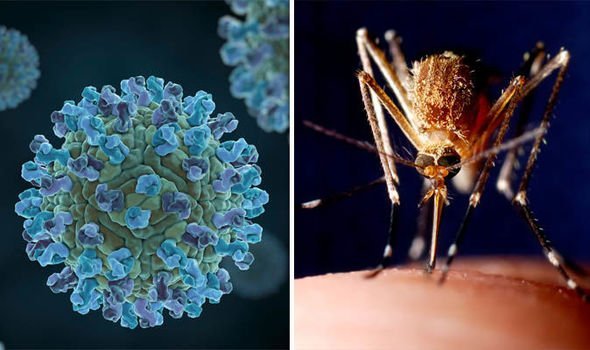
To avoid being bitten by mosquitoes, NSW Health recommends applying repellents containing DEET, picaridin, or oil of lemon eucalyptus to exposed skin, reapplying after swimming, and wearing loose-fitting, long-sleeved clothing. Authorities also encourage people to use insect sprays, vapours, and mosquito coils, and to cover windows and doors with insect screens.
In a heartbreaking development, authorities are also warning parents to protect their infants and toddlers by using mosquito netting on carriers. Meanwhile, residents are advised to remove items that may collect water, such as empty pots and old tyres, to reduce the likelihood of mosquitoes breeding in the home.