
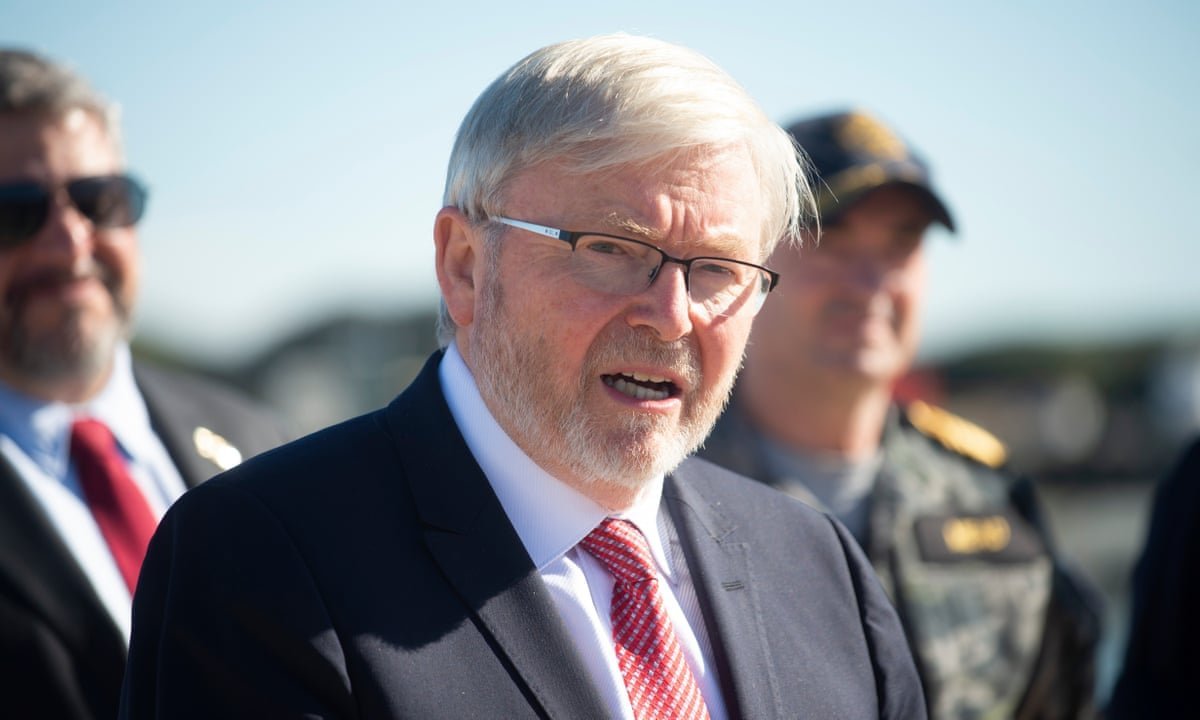
Kevin Rudd Exits Washington as US-China Relations Reach Boiling Point: What’s Next for Australia?
- Kevin Rudd leaves his post as Australia’s ambassador to the US, just as Donald Trump prepares for a historic visit to China.
- The Trump administration’s focus on China has been eerily absent, but Rudd has ensured Australia is prepared for the fallout.
- Rudd’s departure marks the end of an era in diplomacy, as the world grapples with a new, unpredictable international order.
- Australia’s bilateral relationship with the US remains strong, but the AUKUS deal and rare earths agreements will be put to the test.
As Kevin Rudd bids farewell to his role as Australia’s ambassador to the United States, the bilateral relationship between the two nations is in good shape. But the timing of his departure couldn’t be more poignant, with Donald Trump set to make his first presidential visit to China in almost a decade.
The Trump administration’s attention has been elsewhere, with China seemingly dropped off the radar in recent months. But Rudd has been busy ensuring Australia is prepared for the potential fallout from the US-China meeting. “I will be remaining in America working between New York and Washington on the future of US-China relations, which I have always believed to be the core question for the future stability of our region and the world,” Rudd said on Tuesday.
Rudd’s departure marks the end of an era in diplomacy, as the world grapples with a new, unpredictable international order. The cliches of shared values and standing with the US to preserve the rules-based order will be put to the test, as Australia navigates a complex web of alliances and rivalries.
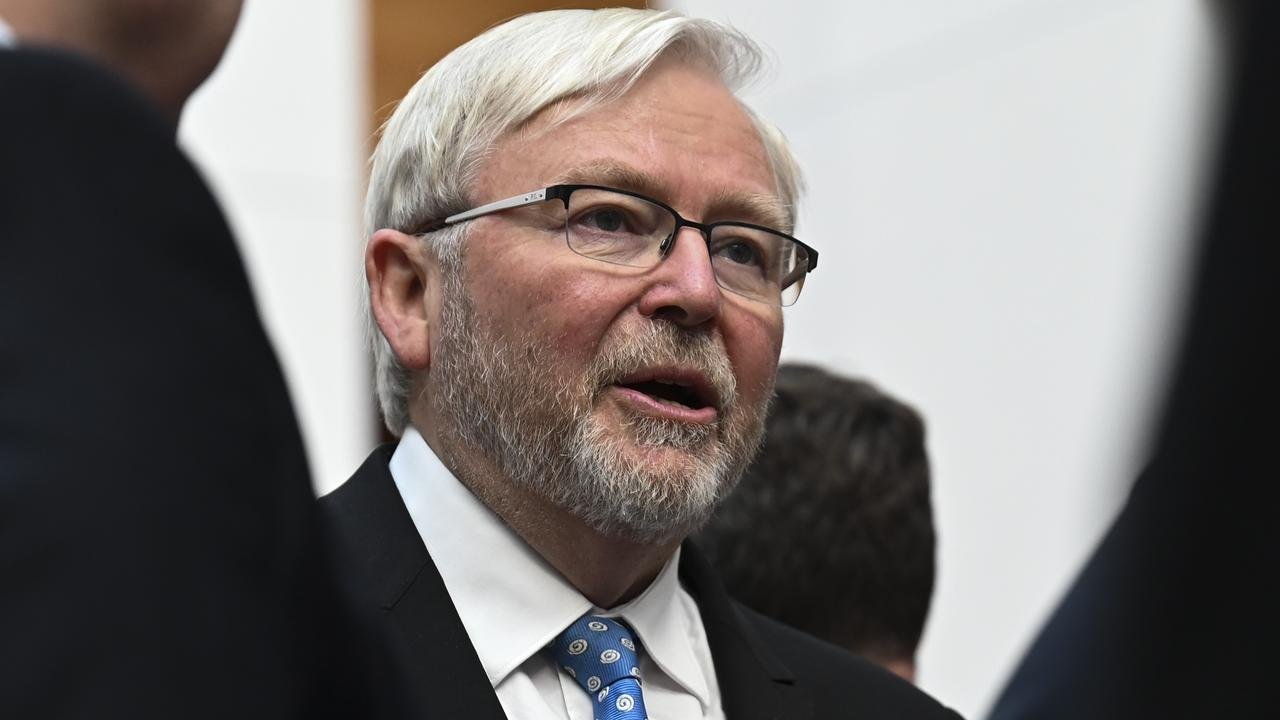
Despite the challenges, Rudd has left the bilateral relationship between the US and Australia in good shape. Australia enjoys the lowest and least disruptive tariffs in the world, and the AUKUS deal remains intact, albeit with question marks over its long-term viability. Rudd has also maintained strong bipartisan support for Australia in the Congress, a crucial factor in the increasingly complex world of international diplomacy.
But what happens next in the relationship between the US and Australia will be driven by US actions in other parts of the world. If Trump carries through with his threats against Greenland, will Australia side with the US? The question looms large, as Australia’s foreign policy is forced to adapt to a rapidly changing global landscape.
The next appointment will have to navigate these darkening trends, with most analysts predicting a career public servant or someone with intimate knowledge of Australia’s security and intelligence structures. Whoever takes the reins will have big shoes to fill, as they work to maintain the delicate balance of power in the Asia-Pacific region.