
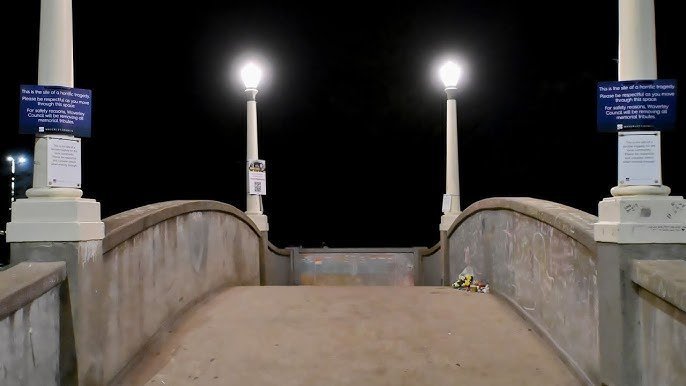
Bondi Beach Terror Attack: Community Unites Against Demolition of Footbridge Used by Gunmen
- Waverley Council votes to honour victims and heroes of the attack, but decides against demolishing the footbridge used by the terrorists
- Locals and community groups argue the bridge is a part of Bondi’s heritage and should be retained as a symbol of resilience and unity
- Council plans to explore options for a permanent memorial and recognise the bravery of those who helped during the attack
The fate of the Bondi Beach footbridge, used by the terrorists who killed 15 people and injured dozens more, remains undecided after a passionate debate at a Sydney beachside council meeting. Waverley Council voted to honour the victims and heroes of the attack, but decided against demolishing the footbridge, which has become a symbol of resilience and unity for the community.
The council’s decision comes a month after the devastating attack, which shocked the nation and left the community reeling. The footbridge, a heritage-listed structure, was used by the terrorists as a vantage point to carry out the attack. NSW Premier Chris Minns had suggested that the bridge should be torn down to avoid becoming a “ghoulish reminder” of the tragedy.
However, the council and the community appear to be at odds with the Premier’s suggestion. During an extraordinary meeting, 16 speakers from various community groups addressed the council, with most arguing that the bridge should be retained. They cited its historical significance and emotional importance to the community, and argued that it had become a symbol of the community’s resilience and unity in the face of terror.
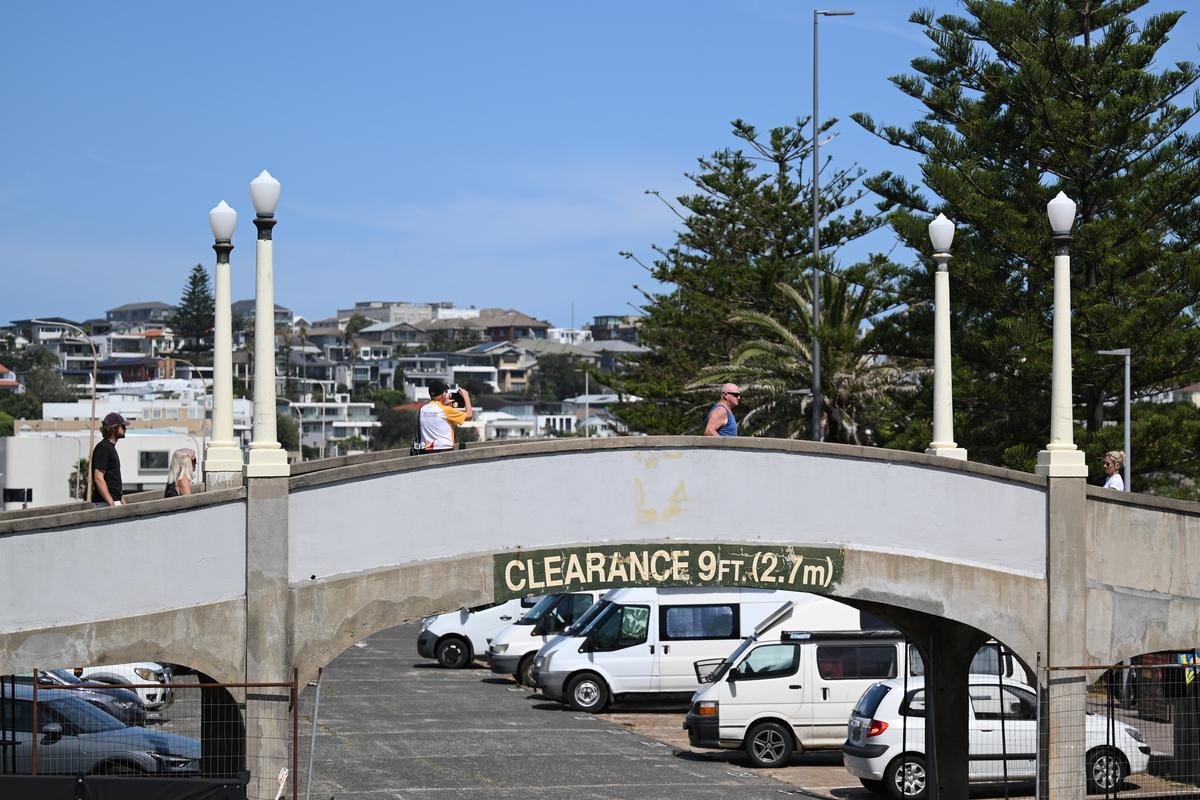
“Those bridges are a part of our heritage, they’re our touchstone, what makes Bondi familiar to us,” said Alison Bevage, a local resident who heard the gunshots from her house. “Please just leave our bridges alone and don’t use them to punish us.”
The Sydney Jewish Museum’s Sandy Hollis echoed Bevage’s sentiments, saying that the location of the shooting had become “a symbol of resilience and unity against acts of terror”. “Whether the footbridge remains in its present form or not is not as material as how the victims of the terrorism attack are memorialised,” she said.
Analysis: What This Means for Australia
The Bondi Beach terror attack has raised important questions about national security, community resilience, and the role of memorials in healing and commemoration. The decision to retain the footbridge sends a powerful message about the community’s determination to stand strong in the face of terror and to honour the victims and heroes of the attack. It also highlights the importance of balancing the need for security and safety with the need to preserve cultural and historical heritage.
Security analysts say that the attack has exposed vulnerabilities in Australia’s national security framework, particularly in terms of intelligence gathering and community engagement. The decision to retain the footbridge may be seen as a symbolic gesture of defiance against terrorism, but it also underscores the need for a more nuanced approach to counter-terrorism strategies.
Law enforcement insiders warn that the attack has highlighted the importance of community-led initiatives in preventing and responding to terrorism. The council’s decision to honour the heroes of the attack and to recognise the bravery of those who helped during the tragedy may be seen as a step in the right direction, but more needs to be done to address the root causes of extremism and to build trust between law enforcement agencies and the community.
Industry observers believe that the attack has also raised important questions about the role of memorials in shaping public opinion and influencing community sentiment. The decision to retain the footbridge may be seen as a way to reclaim the space and to transform it into a symbol of hope and resilience, but it also raises questions about the ethics of memorialisation and the impact on the community.
As the community continues to heal and rebuild, the decision to retain the footbridge serves as a powerful reminder of the importance of community-led initiatives in shaping the narrative of terror and its aftermath. It also underscores the need for a more nuanced approach to national security, community engagement, and memorialisation.
Expert Commentary
“The decision to retain the footbridge is a testament to the community’s resilience and determination to stand strong in the face of terror,” said Dr. Anne Aly, a security expert at Curtin University. “However, it also highlights the need for a more nuanced approach to national security, community engagement, and memorialisation. We need to balance the need for security and safety with the need to preserve cultural and historical heritage.”
“The attack has exposed vulnerabilities in Australia’s national security framework, particularly in terms of intelligence gathering and community engagement,” said Dr. Clive Williams, a counter-terrorism expert at the Australian National University. “The decision to retain the footbridge may be seen as a symbolic gesture of defiance against terrorism, but it also underscores the need for a more nuanced approach to counter-terrorism strategies.”
“The community’s response to the attack has been remarkable, but we need to do more to address the root causes of extremism and to build trust between law enforcement agencies and the community,” said Dr. Hussain Nadim, a community engagement expert at the University of Melbourne. “The decision to honour the heroes of the attack and to recognise the bravery of those who helped during the tragedy may be seen as a step in the right direction, but more needs to be done to prevent similar attacks in the future.”