
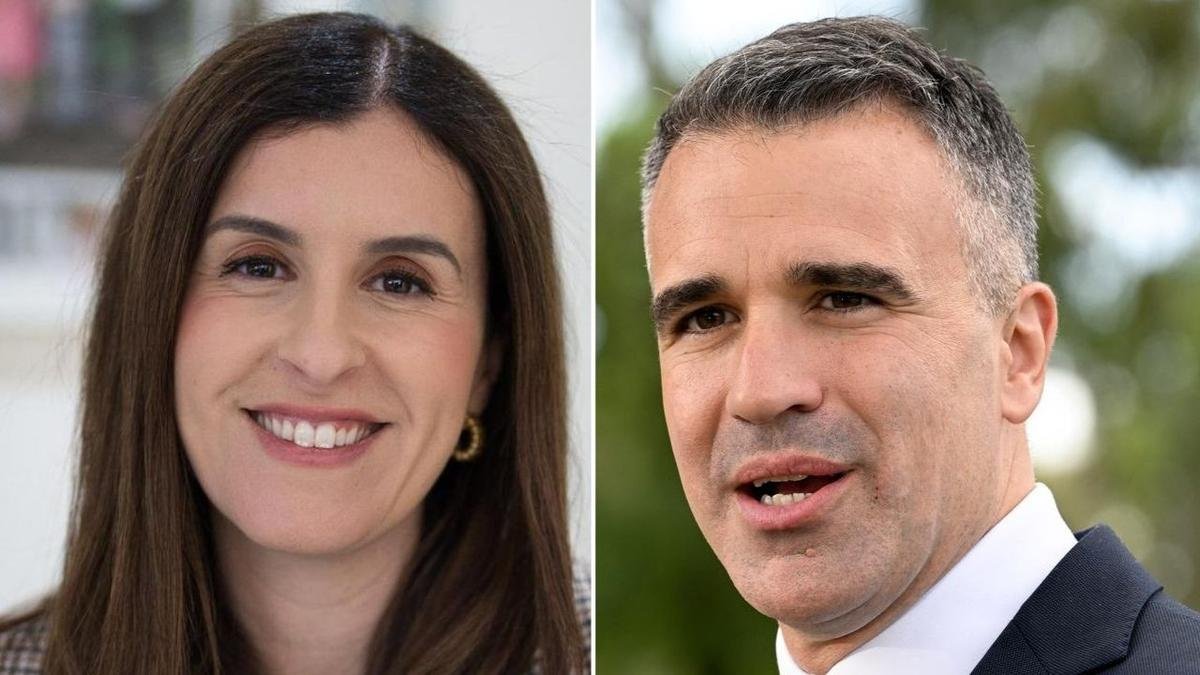
Defamation Drama: Author Serves Second Concerns Notice to SA Premier Over ‘Malicious’ Comments
- Palestinian Australian author Randa Abdel-Fattah takes aim at Premier Peter Malinauskas over alleged defamation
- Second concerns notice served after Malinauskas’ comments on FIVEAA radio sparked outrage
- Abdel-Fattah denies expressing anti-Semitism, claims Premier’s words were ‘deliberately and maliciously’ mischaracterized
The bitter feud between author Randa Abdel-Fattah and South Australian Premier Peter Malinauskas has escalated, with Abdel-Fattah’s lawyer serving a second concerns notice for defamation over the Premier’s latest comments.
In a social media post, Abdel-Fattah stated she had “no choice” but to take further action, accusing Malinauskas of “doubling down” on his previous remarks. The author’s lawyer has confirmed the concerns notice relates to comments made by the Premier on FIVEAA radio on January 14.
At the center of the controversy is Abdel-Fattah’s exclusion from the now-cancelled 2026 Adelaide Writers’ Week. Malinauskas sparked outrage when he asked reporters to imagine if a “far-right Zionist walked into a Sydney mosque and murdered 15 people,” implying Abdel-Fattah’s views were equally reprehensible. Abdel-Fattah has vehemently denied expressing anti-Semitism, instead claiming she stands in solidarity with anti-Zionist Jews and advocates for cultural safety for all racial groups.

The Premier’s comments led to a mass boycott of the writers’ festival, with over 180 writers and participants withdrawing their participation. The festival’s director, Louise Adler, resigned, and a new board was installed, which later issued an apology to Abdel-Fattah.
Analysis: What This Means for Australia
The Abdel-Fattah-Malinauskas saga raises critical questions about the limits of free speech, cultural sensitivity, and political accountability in Australia. As the nation grapples with the complexities of identity politics and religious tolerance, this high-profile dispute serves as a stark reminder of the need for nuance and responsible leadership. With the SA Premier’s comments sparking widespread outrage, it is imperative that our leaders engage in constructive dialogue, rather than resorting to divisive rhetoric that can have far-reaching consequences for community harmony.
Security analysts say the incident highlights the importance of cultural intelligence and sensitivity in public discourse, particularly in the context of religious and ethnic diversity. “In today’s complex social landscape, leaders must be acutely aware of the impact their words can have on vulnerable communities,” notes one expert.
As the dispute continues to unfold, the Australian public is left wondering what lessons can be learned from this debacle. Will our leaders take a more measured approach to public commentary, or will the politics of division continue to dominate the national conversation? One thing is certain – the stakes are high, and the consequences of reckless rhetoric can be devastating.