
Rail Network in Chaos: Second Train Disaster in Two Days Leaves One Dead and 15 Injured
- A commuter train derailed near Barcelona after a containment wall collapsed onto the tracks, killing one and injuring 15 others.
- The disaster comes just two days after a high-speed train crash in southern Spain killed over 40 people and left 12 in intensive care.
- Spain’s rail network is reeling from the double tragedy, with the country’s Prime Minister declaring three days of mourning.
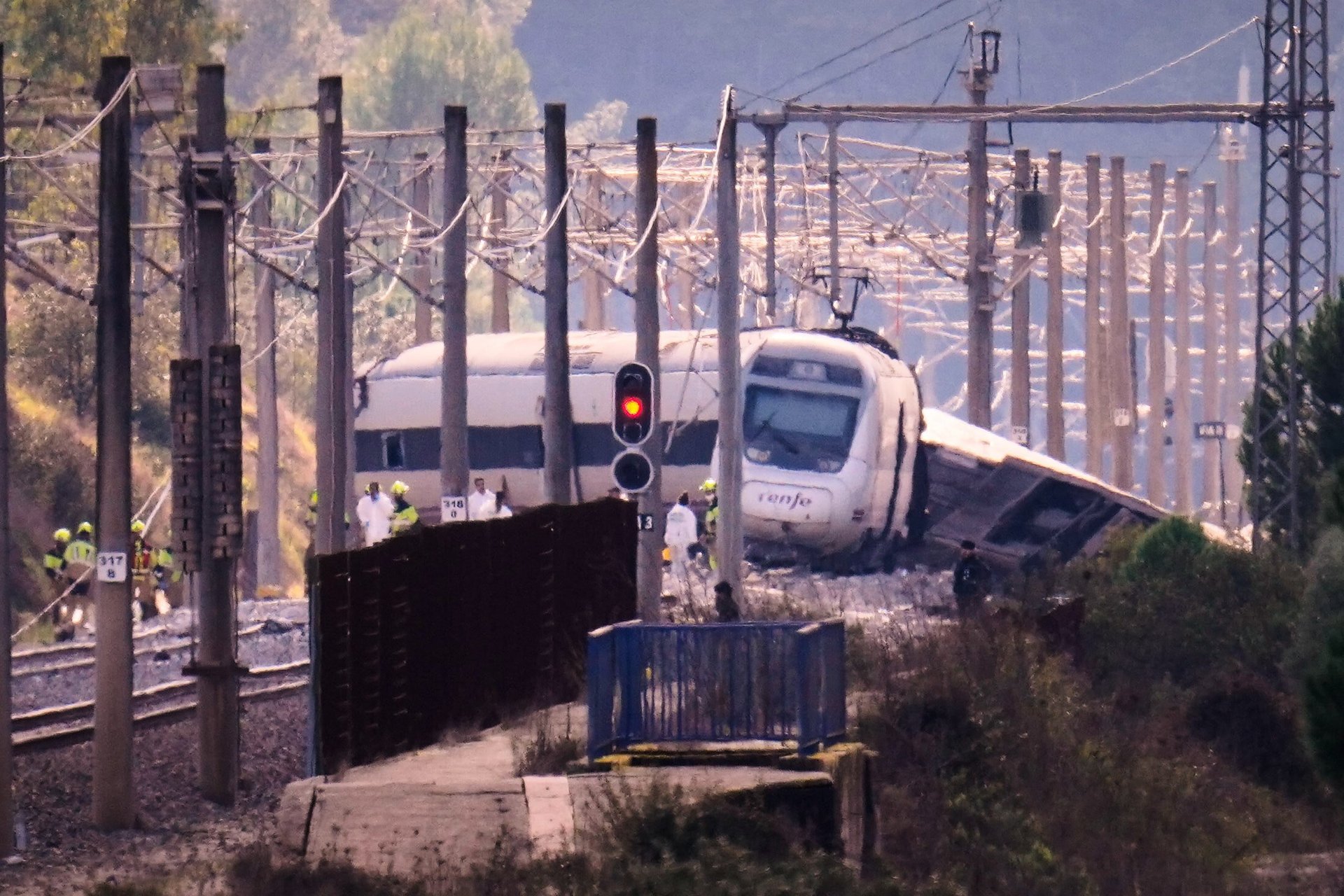
The Spanish city of Barcelona was thrown into chaos on Tuesday when a commuter train derailed after a containment wall collapsed onto the tracks, killing one person and injuring at least 15 others. The accident occurred in Gelida, a town on the outskirts of Barcelona, and marks the second major train disaster in Spain in just two days.
The train’s driver was among the fatalities, according to regional police sources. Emergency services were quick to respond, dispatching 20 ambulances and 38 firefighter units to the scene. The local fire and rescue service established a safety zone and worked to evacuate the injured, including one person trapped in the wreckage.
This latest disaster comes on the heels of a devastating high-speed train crash in southern Spain on Sunday night, which killed over 40 people and left 12 others in intensive care. The crash occurred near Adamuz in Córdoba province when one train derailed and was hit by another high-speed service travelling in the opposite direction.
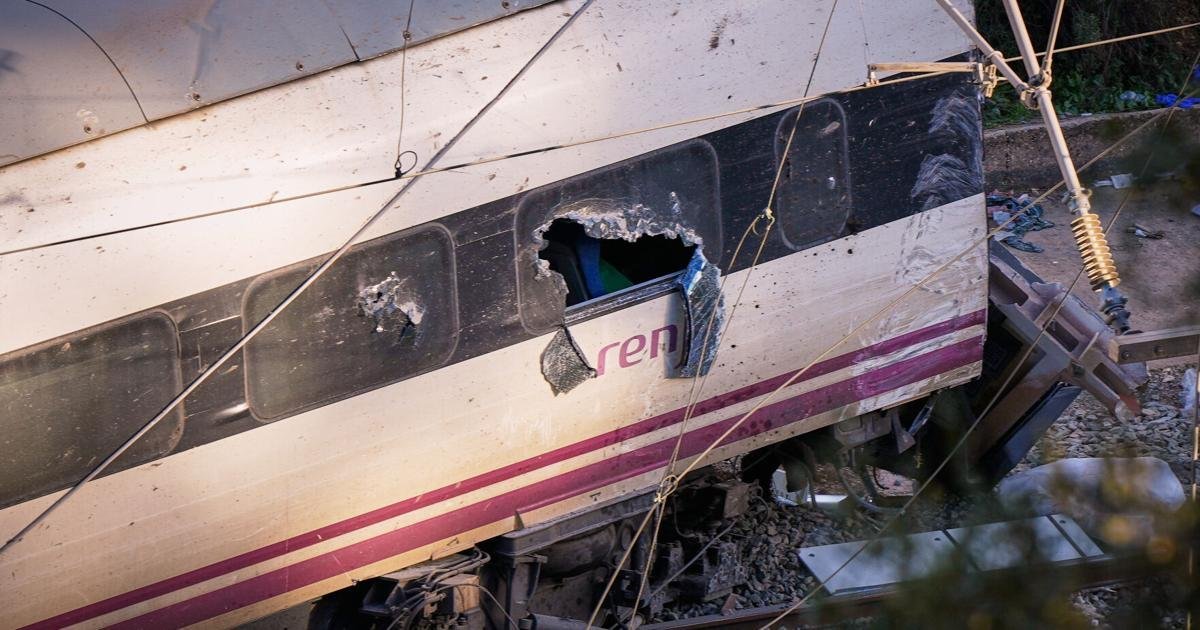
The cause of Sunday’s derailment is still unknown, and an investigation has been launched. However, the back-to-back tragedies have raised serious concerns about the safety of Spain’s rail network. The country’s Prime Minister, Pedro Sánchez, has declared a three-day mourning period, calling the disasters “a night of deep pain for our country.”
Analysis: What This Means for Australia
These tragedies serve as a stark reminder of the importance of maintaining robust safety standards in transportation infrastructure. As Australia continues to invest in its own rail network, it must take heed of the lessons from Spain’s disasters. The economic and social consequences of such tragedies can be devastating, and it is crucial that our authorities prioritize safety above all else. Security analysts say that a failure to do so could have far-reaching implications for national security and community safety.
Industry observers believe that the Spanish government’s response to the disasters will be closely watched by authorities around the world. The incident highlights the need for increased investment in infrastructure maintenance and safety protocols, as well as the importance of international cooperation in sharing best practices to prevent such tragedies.
As the investigation into the Spanish train disasters continues, one thing is clear: the world is watching, and Australia must take note.