
Nationals-Liberal Alliance on Brink of Collapse as David Littleproud Refuses to Serve Under Sussan Ley
- Nationals Leader David Littleproud says his party will not serve in a shadow ministry led by Sussan Ley, citing an “untenable” situation.
- The move comes after the Nationals agreed to vote against hate laws supported by the Liberal Party, leading to the resignation of eight frontbenchers.
- The Nationals will now sit on the crossbench, with Littleproud suggesting this will not change while Ley remains leader.
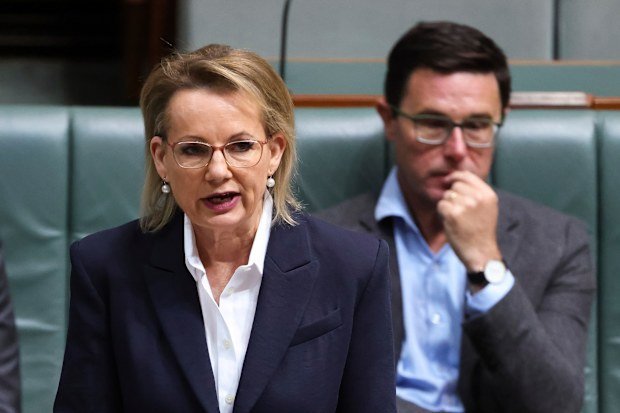
The Nationals-Liberal alliance, which has shaped the conservative side of Australian politics for decades, is on the brink of collapse after Nationals Leader David Littleproud declared that his party would not serve in a shadow ministry led by Sussan Ley. The move comes after a bitter dispute over hate laws, which saw eight Nationals frontbenchers resign from their roles.
The Nationals’ decision to vote against the hate laws, which aimed to target hate groups and toughen other hate laws, has sparked a deep rift within the coalition. Littleproud claimed that the process had been “mismanaged” by Ley, who accepted the resignations of three Nationals senators on Wednesday. The Nationals leader warned that if the resignations were accepted, the entire party would quit, and on Thursday, the remaining five frontbenchers followed suit.
The fallout has left the coalition in disarray, with Littleproud suggesting that the situation is “untenable” and that the Nationals would not serve in a shadow ministry led by Ley. The party will now sit on the crossbench, a move that could have significant implications for the Liberal Party’s ability to pass legislation.
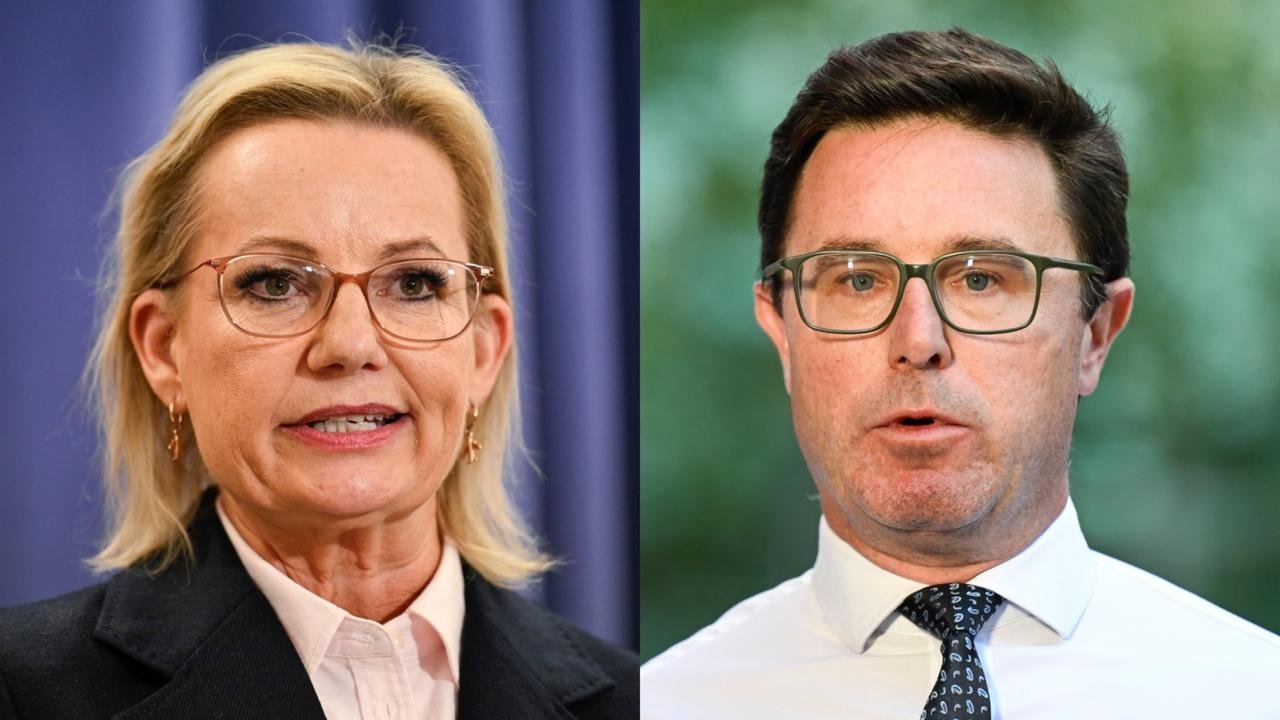
The dispute over hate laws has its roots in the proposed definition of a hate group. Labor’s bill aimed to ban extremist groups, such as Hizb ut-Tahrir and the Neo Nazis, which did not meet existing thresholds to be designated as terrorists. However, the Nationals argued that the laws could be used to ban a wider set of groups, an argument also made by the Greens. The disagreement ultimately led to the Nationals’ decision to vote against the bill, despite efforts by Ley and Liberal home affairs spokesperson Jonathon Duniam to add specifics to the banning process.
Analysis: What This Means for Australia
The collapse of the Nationals-Liberal alliance has significant implications for Australian politics. The move could embolden the crossbench and give them greater influence over legislative decisions. It also raises questions about the stability of the Liberal Party and its ability to govern effectively. Security analysts say that the dispute over hate laws has highlighted deeper divisions within the coalition, which could have serious consequences for national security and law enforcement. Industry observers believe that the fallout could also have economic implications, as investors become increasingly wary of the government’s ability to pass legislation.
Experts warn that the collapse of the alliance could also have significant implications for Australian communities, particularly those vulnerable to hate crimes. The failure to pass the hate laws has left a gap in the country’s legislation, which could be exploited by extremist groups. Law enforcement insiders warn that the dispute has damaged the government’s ability to respond effectively to hate crimes, which could have serious consequences for public safety.
In the wake of the collapse, experts are calling for greater clarity on the government’s approach to national security and law enforcement. They say that the dispute has highlighted the need for a more cohesive and effective approach to tackling hate crimes, which requires bipartisan support. As the situation continues to unfold, one thing is clear: the collapse of the Nationals-Liberal alliance has significant implications for Australia’s national security, law enforcement, and communities.