
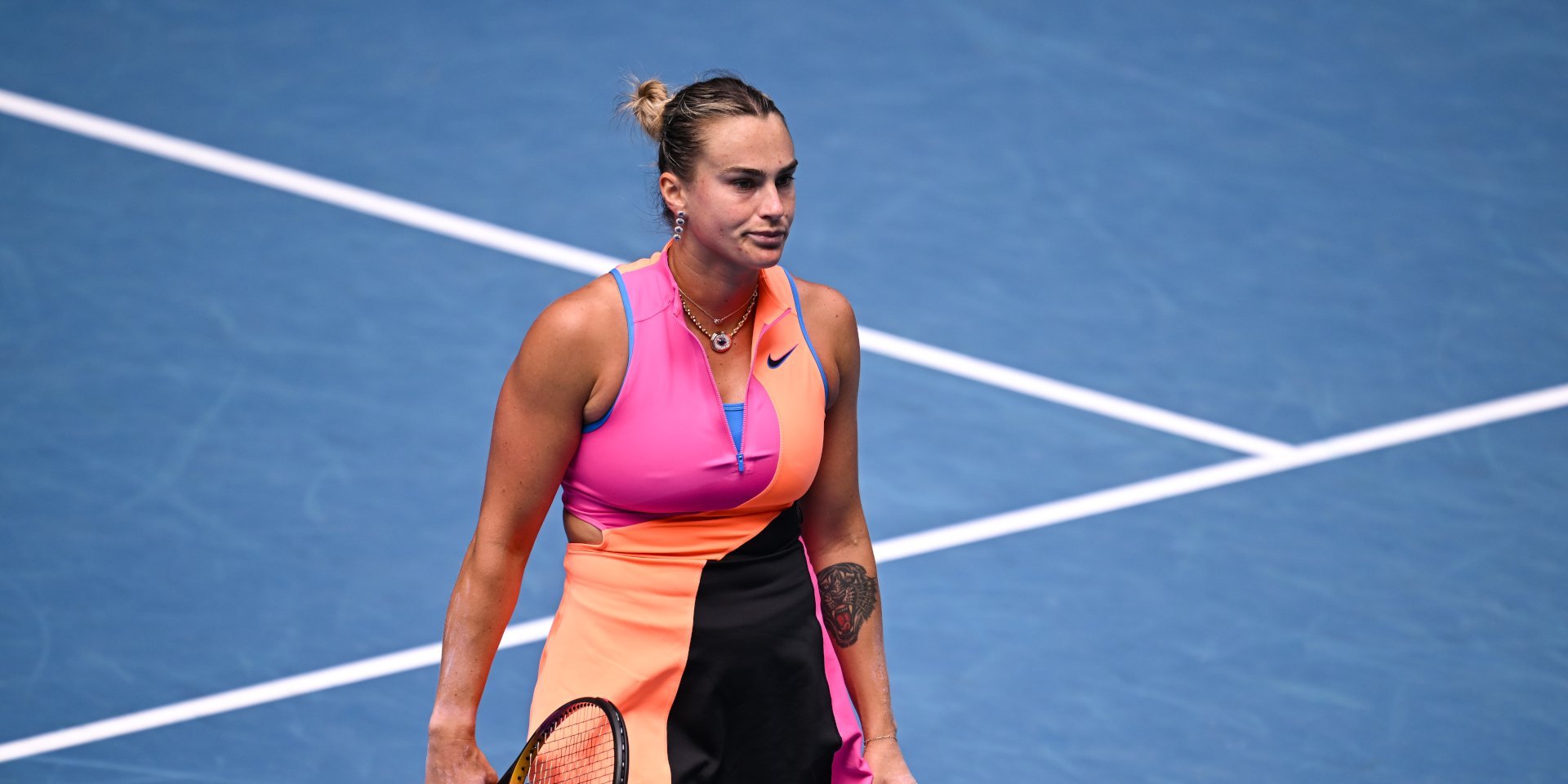
‘Tennis for Peace’: World No. 1 Aryna Sabalenka Under Fire as Ukrainian Rival Calls for Ban on Russian and Belarusian Players
- Ukrainian tennis star Oleksandra Oliynykova demands ATP and WTA ban on Belarusian and Russian athletes, including world No. 1 Aryna Sabalenka
- Oliynykova wears provocative T-shirt calling for help to protect Ukrainian children and women, sparking controversy at the Australian Open
- Sabalenka responds, saying she wants peace but refuses to engage in politics, sparking debate over sporting bans and athlete neutrality
The Australian Open has been rocked by a bitter feud between tennis players from Ukraine and Belarus, with world No. 92 Oleksandra Oliynykova calling for a ban on Russian and Belarusian athletes, including world No. 1 Aryna Sabalenka. The drama unfolded after Oliynykova’s loss to reigning champion Madison Keys, when she wore a provocative T-shirt with a message calling for help to protect Ukrainian children and women.
In a scathing attack, Oliynykova told The Age that the presence of Belarusian and Russian players on tour was “very wrong” due to the ongoing conflict in Ukraine. “It’s very wrong that they are not disqualified in tennis like in other sports,” she said, accusing them of supporting aggression against her country. Sabalenka, a two-time Australian Open champion, responded to the criticism, saying she wants peace but refuses to engage in politics, sparking debate over sporting bans and athlete neutrality.
The controversy has reignited calls for Russian and Belarusian players to be banned from competing in elite sport, with Ukrainian star Elina Svitolina previously pushing for a total ban and refusing to shake hands with players from the two nations. Another Ukrainian, Marta Kostyuk, also refused to shake Sabalenka’s hand after winning the Brisbane International final and declined to take a photo with her.
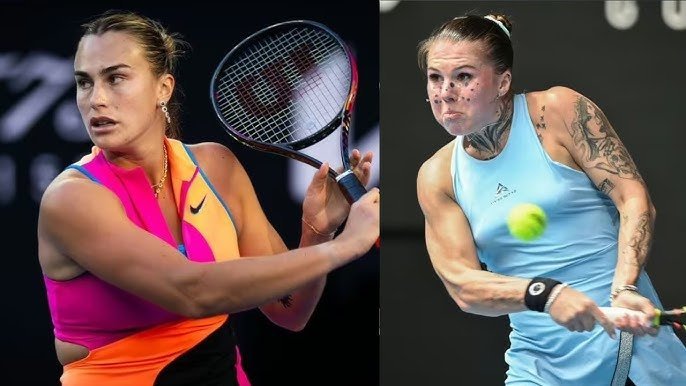
The situation raises questions about the role of athletes in speaking out against political conflicts and the impact of sporting bans on athletes from countries involved in conflicts. As the debate rages on, one thing is clear: the tennis world is divided, and the Australian Open has become a battleground for more than just tennis titles.
Analysis: What This Means for Australia
The fallout from this controversy has significant implications for Australia’s sporting community and its relationship with international tennis. As a major host of international tennis events, Australia has a responsibility to ensure that its tournaments are free from political influence and that athletes are not used as pawns in geopolitical conflicts. The Australian government must take a clear stance on the issue, balancing the need to promote sporting excellence with the need to uphold humanitarian values.
Security analysts say that the involvement of athletes in political conflicts can have far-reaching consequences, including the exploitation of athletes for political gain and the erosion of sporting integrity. Law enforcement insiders warn that sporting events can be used as a platform for propaganda and that athletes may be pressured to take political stances that compromise their values. Industry observers believe that a clear policy on athlete neutrality is essential to maintaining the integrity of international sport.