
Microplastic Pollution Crisis: Sydney’s Waterways Choking on Thousands of Toxic Pieces Per Square Metre
- Sydney’s beaches and harbour shores are drowning in microplastic waste, with levels tripling in just three years.
- A staggering 1,000 microplastics per square metre are now found in the city’s waterways, up from 300 just three years ago.
- The worst hotspots include Port Hacking, North Harbour, and the Northern Beaches, with Botany Bay and the Parramatta River also ranking high on the list.
- Experts warn that the crisis is a ticking time bomb for human health, the environment, and the economy.
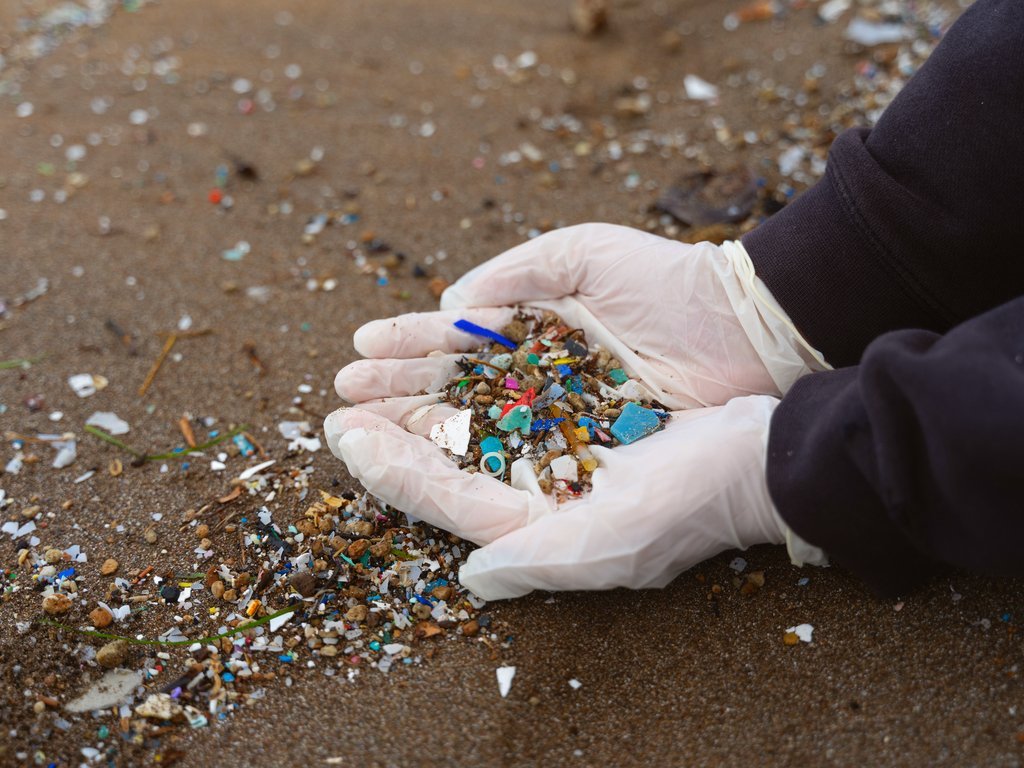
The once-pristine waters of Sydney are now choking on a toxic tide of microplastic waste, with a new report revealing that the city’s beaches and harbour shores are drowning in thousands of tiny pieces of plastic per square metre. The Australian Microplastic Assessment Project (AUSMAP) has been conducting citizen-led surveys of sand contamination over the past seven years, and the results are nothing short of alarming.
The report found that microplastic pollution on Sydney’s beaches and harbour shorelines has tripled in the past three years, with an average of about 1,000 microplastics per square metre found in the past three years of surveys, up from about 300 per square metre in the three years before. The worst hotspots include Port Hacking, North Harbour, and the Northern Beaches, with Botany Bay and the Parramatta River also ranking high on the list.
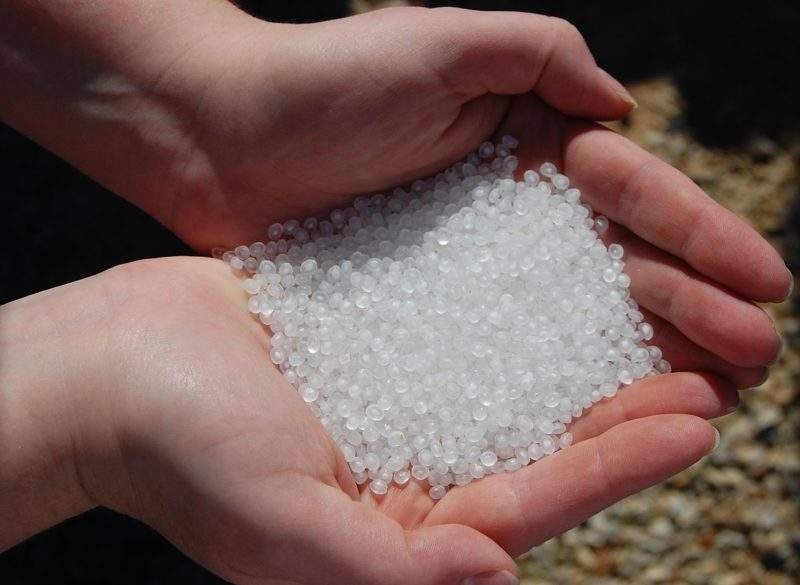
The main culprits behind this environmental catastrophe are polystyrene and hard plastic fragments, which make up between 50 and 90 per cent of all microplastics entering waterways. Broken-down polystyrene foam, often used in packaging and construction, is particularly pervasive, making up the majority of microplastics found at Sydney coastal locations. Microbeads from cleaning products, nurdles from industrial plastic processing facilities, and polyester fibres from clothing have also been identified as major contributors to the problem.
According to Jeff Angel, the director of the Total Environment Centre, which runs AUSMAP, the solution to this crisis lies in preventing microplastics from entering the environment in the first place. “We need to treat this as a serious pollution issue,” he said. “In the case of those plastic pellets, the industrial facilities using them have to be prohibited from allowing the release of those pellets.”
Analysis: What This Means for Australia
The implications of this microplastic pollution crisis are far-reaching and devastating. Not only do microplastics pose a significant threat to marine life, but they also have the potential to contaminate the food chain and ultimately, human health. The economic costs of this crisis are also likely to be substantial, with the tourism and fishing industries likely to be among the hardest hit.
Security analysts say that the crisis also has national security implications, as the proliferation of microplastics in our waterways makes it easier for foreign actors to introduce harmful substances into our environment. “This is a ticking time bomb for our country’s health, environment, and economy,” said one expert. “We need to take immediate action to address this crisis.”
Law enforcement insiders warn that the crisis is also a major challenge for authorities, who are struggling to keep pace with the sheer volume of microplastic waste entering our waterways. “We need to take a multi-pronged approach to address this crisis, including increasing funding for research and development, improving waste management infrastructure, and implementing stricter regulations on industry,” said one insider.
Industry observers believe that the crisis is a wake-up call for the construction industry, which is a major contributor to microplastic waste. “New innovative materials are already available to replace the harmful styrofoam used in the building sector,” said Shadow Environment Minister Jacqui Munro. “It signals a total lack of imagination by this government.”
The NSW government has announced a plan to phase out the sources of many microplastics, including bread tags, fruit stickers, and foamed plastic, but experts say more needs to be done to address the crisis. “We need to see real action, not just empty promises,” said Mr Angel. “The future of our environment and our health depends on it.”