
Divided Nation: Bragg Backs Morrison’s Controversial Plan to Crack Down on Islamic Extremism, Muslim Leaders Cry Foul
- Liberal Senator Andrew Bragg sparks outrage by saying Australian Muslims must take “some responsibility” for extremist incidents
- Former PM Scott Morrison’s plan to introduce a national register for Islamic preachers and recognised accreditation for imams sparks heated debate
- Muslim leaders slam Morrison and Bragg’s comments as “misguided” and “incredibly unfair”, warning they will drive division and extremism
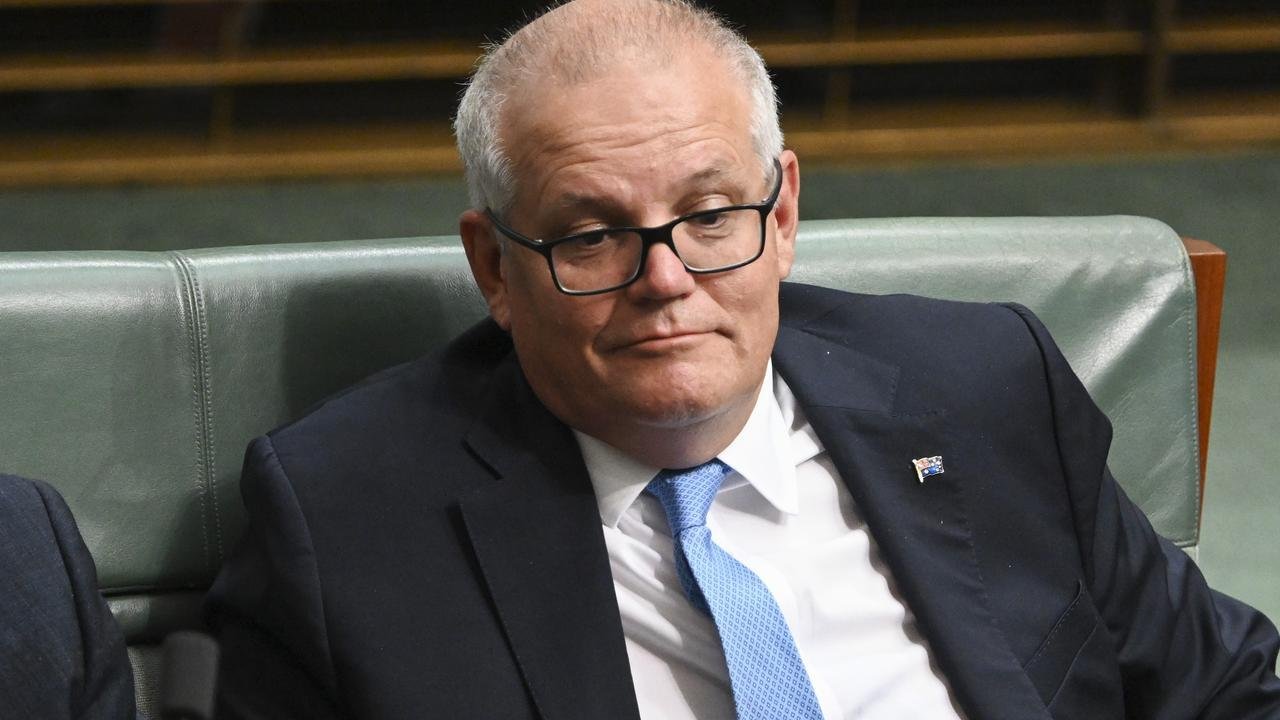
The Liberal Party has sparked a firestorm of controversy after Senator Andrew Bragg backed former Prime Minister Scott Morrison’s plan to crack down on Islamic extremism, including introducing a national register for Islamic preachers and recognised accreditation for imams. Bragg’s comments, in which he said Australian Muslims must take “some responsibility” for extremist incidents, have been slammed by Muslim leaders as “misguided” and “incredibly unfair”.
The debate erupted after Morrison outlined his multi-step proposal to strengthen oversight of Islamic teaching in the wake of the Bondi terror attack, which left 15 people dead. The former PM’s plan includes a national register for Islamic preachers, a recognised accreditation system for imams, and greater scrutiny of overseas funding. Morrison argued that Islamic institutions were “fragmented and inconsistently governed” and needed reform to prevent the spread of radical ideology.
But Bragg’s comments have been met with outrage from Muslim leaders, who say they are being unfairly targeted and blamed for the actions of a few extremists. “It delivers to the very terrorists who commit these crimes the very objective that they seek, which is to divide and to pit communities and people against each other,” said Bilal Rauf, senior adviser to the Australian National Imams Council. “This is an exercise in collective blame, which in turn distracts from a focus on the horrific crime which occurred, and understanding why it occurred and the factors behind it.”
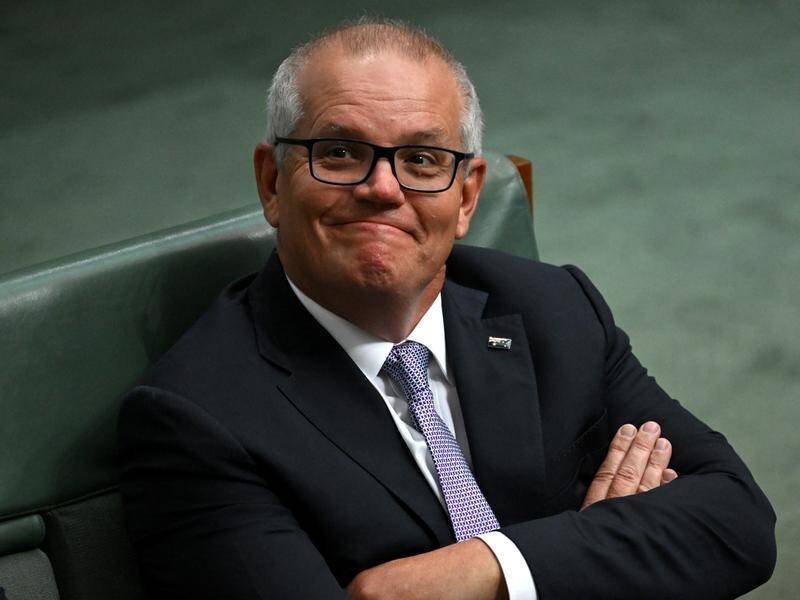
The controversy has also sparked a wider debate about freedom of speech and the role of government in regulating religious institutions. Labor minister Pat Conroy accused the Liberal Party of being “incredibly divided” on the issue, and warned that Morrison’s plan could infringe on freedom of speech. “We would have passed vilification laws if we’d had the support of the Coalition,” Conroy said.
Analysis: What This Means for Australia
The debate over Morrison’s plan has raised serious questions about national security, law enforcement, and the role of government in regulating religious institutions. While the proposal is aimed at preventing the spread of radical ideology, it has sparked concerns about collective blame and the targeting of an entire community. As one expert noted, “the comments from Morrison and Bragg are likely to drive division and extremism, rather than preventing it”. The controversy has also highlighted the need for a more nuanced approach to tackling extremism, one that addresses the root causes of radicalisation and avoids scapegoating entire communities.
Security analysts say that the government needs to take a more holistic approach to tackling extremism, one that includes addressing social and economic factors, as well as ideological and religious ones. “You can’t just focus on one aspect of the problem and expect to solve it,” said one expert. “You need to look at the whole picture and address the root causes of radicalisation.”
In the meantime, the controversy has sparked a wider debate about the role of government in regulating religious institutions and the need for greater oversight of Islamic teaching. As one observer noted, “this is a complex issue that requires a nuanced approach. We need to find a way to balance freedom of speech with the need to prevent the spread of radical ideology.”