
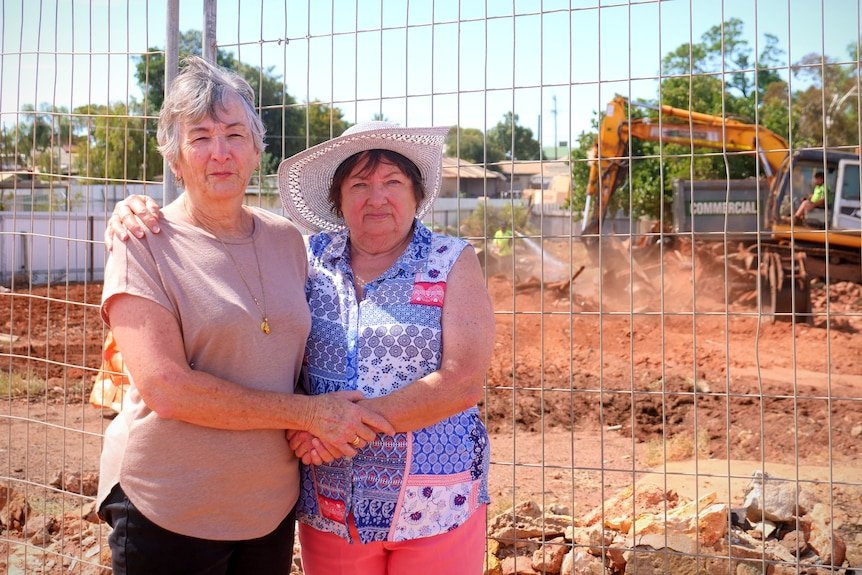
Residents of WA Mining Town Demand Relocation as World’s Largest Lithium Mine Brings ‘Unbearable’ Noise, Dust and Traffic
- Home owners in Greenbushes, 240km south of Perth, are calling for a relocation scheme due to the mine’s devastating impacts on their daily lives.
- The town is home to the world’s biggest hard-rock lithium mine, which provides nearly 20% of the world’s supply, but residents are paying the price.
- A recent mine blast on January 11 breached the company’s noise limit, rattling nearby residents and reigniting calls for action.
The once-thriving town of Greenbushes, nestled in Western Australia’s South West region, is on the brink of crisis. For years, residents have struggled to coexist with the world’s largest hard-rock lithium mine, operated by Talison Lithium, a Sino-American company. The mine’s relentless noise, dust, and traffic have become an unbearable burden, forcing home owners to demand relocation or a buyout scheme.
Trevor Stallard, a 39-year resident and former miner, has had enough. The constant noise, dust, and tremors have made his life unbearable. “It’s got to the stage where everything’s incessant, and it’s not going to stop. Sooner or later you just go, ‘Enough’s enough,'” he said. The final straw came when a massive blast on January 11 rocked the town, breaching the company’s noise limit and sending shockwaves through the community.
The blast, which measured 124 linear decibels, was described by local Rick Fryer as “the mother of all blasts.” It frightened many residents, including Fryer, who has lived in Greenbushes for 15 years. “I knew there was a mine here when we moved here, but it wasn’t this mine. Not the way it’s operating now,” he said. The explosion was so intense that it damaged ceilings and cracked drywalls in nearby homes, according to some residents.
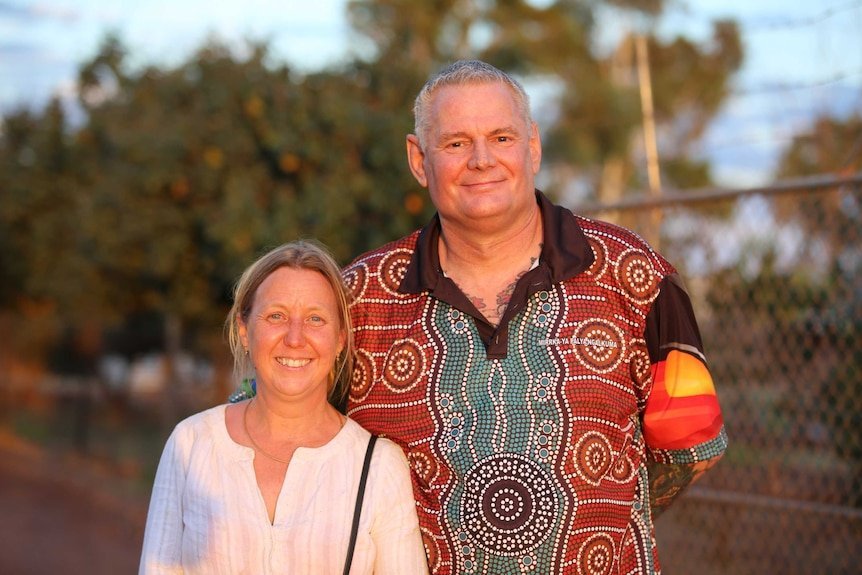
The cumulative effects of the mine’s operations have ignited a sense of desperation among residents. The dust, in particular, has become a constant nuisance, coating cars and homes with a thin white layer. Some residents have complained of persistent coughs, watering eyes, and the general feeling of being trapped in a town that’s no longer livable.
Talison Lithium has acknowledged the impacts and expressed “deep regret” for them. The company has implemented measures to reduce dust and noise, including real-time public dust monitoring and noise reduction on haul trucks. However, residents feel that more needs to be done. “We know we need to do better, and we are taking further steps to reduce impacts,” a company statement read.
Analysis: What This Means for Australia
The situation in Greenbushes raises critical questions about the balance between economic growth and community welfare. As Australia transitions to a more sustainable energy future, the demand for lithium is skyrocketing. However, the environmental and social costs of mining this critical resource cannot be ignored. The Australian government must take a closer look at the regulations governing mining operations and ensure that companies like Talison Lithium are held accountable for their impacts on local communities.
Security analysts say that the Greenbushes mine is a critical component of Australia’s energy security, providing a significant portion of the world’s hard-rock lithium supply. However, this must be weighed against the very real concerns of residents who are being forced to live with the consequences of mining. It is essential that the government and industry leaders work together to find solutions that prioritize both economic growth and community welfare.
Industry observers believe that the situation in Greenbushes is a harbinger of things to come. As the demand for lithium and other critical minerals continues to grow, communities across Australia will be forced to grapple with the environmental and social impacts of mining. It is crucial that we learn from the experiences of towns like Greenbushes and develop more sustainable and responsible approaches to resource extraction.