
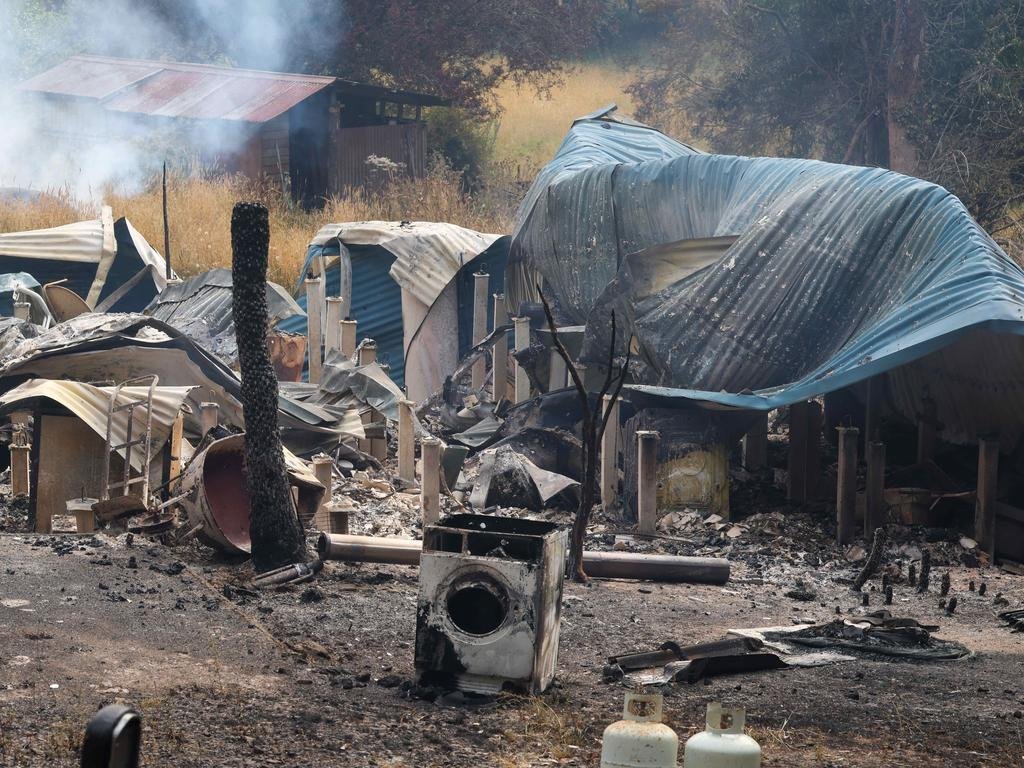
Devastating Toll of Victorian Fires: 40,000 Livestock Dead, $20 Million in Losses and a Rural Community in Ruins
- Victorian fires claim 40,000 livestock, with sheep farmers bearing the brunt of the losses
- Rural communities face a long and difficult road to recovery, with estimated losses exceeding $20 million
- One farmer’s heartbreaking story of loss and resilience in the face of disaster
The Victorian fires have left a trail of destruction in their wake, with the rural community reeling from the devastating toll on their livestock and livelihoods. The latest estimates suggest that over 40,000 livestock have perished in the fires, with sheep farmers suffering the biggest losses. The financial impact is staggering, with losses expected to exceed $20 million.
For Ruffy sheep farmer Matt Plunkett, the reality of the disaster is still sinking in. He lost an estimated 6,000 of his 12,000 sheep in the Longwood fire, which razed his property on January 8. “Everywhere you look, it’s black,” Mr Plunkett said, surveying the charred remains of his farm. “I’m not sure how we’ll rebuild, but we’ve got to.”
Mr Plunkett’s story is just one of many, as the Victorian Farmers Federation estimates that 32,000 sheep have died in the fires. The total livestock death toll has reached 41,336, including poultry, beef cattle, bees, goats, and horses. The true extent of the damage is still being assessed, but it’s clear that the impact on rural communities will be felt for years to come.
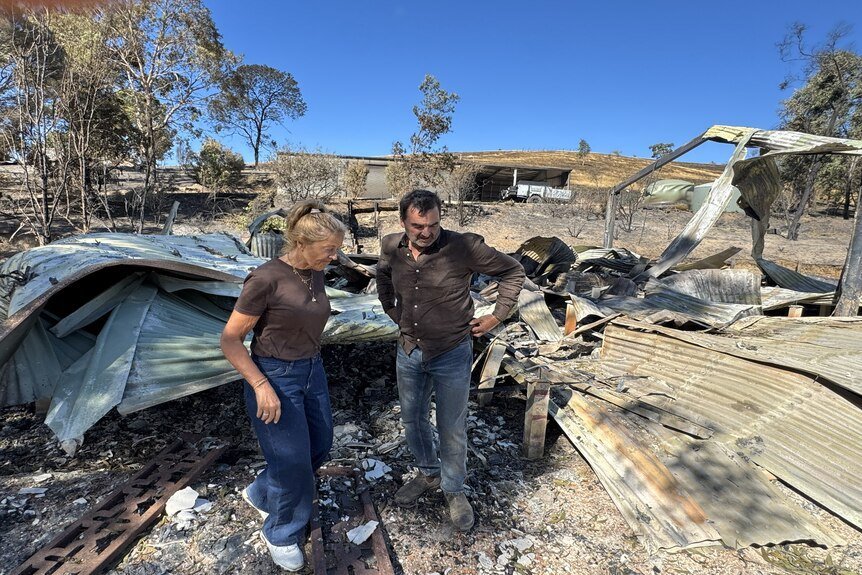
The fires have also destroyed thousands of hectares of farmland, with the latest figures showing that 110,107 hectares have been burned. The loss of pasture, high-value horticulture crops, and pine plantations has added to the financial burden on farmers. “It’s the years, sometimes decades, sometimes generations of breeding and planning …. gone overnight in a fire,” said Victorian Farmers Federation president Brett Hosking.
Analysis: What This Means for Australia
The devastating impact of the Victorian fires has significant implications for national food security and the economy. The loss of livestock and farmland will have a ripple effect on the entire agricultural industry, leading to potential shortages and price increases. Furthermore, the fires have highlighted the need for improved disaster preparedness and response measures to protect rural communities and the environment. “Security analysts say that the fires have exposed weaknesses in our emergency response systems, and it’s imperative that we learn from this disaster to prevent similar tragedies in the future,” said one expert.
Law enforcement insiders warn that the fires have also raised concerns about the risk of arson and criminal activity in rural areas. “The destruction of property and livestock is not only a personal tragedy for farmers but also a crime that can have serious consequences for the community,” said a police spokesperson.
Industry observers believe that the fires will lead to a renewed focus on sustainable farming practices and climate change mitigation strategies. “The Victorian fires are a stark reminder of the need for urgent action on climate change. We must work together to reduce our carbon footprint and protect our environment for future generations,” said a leading environmentalist.