
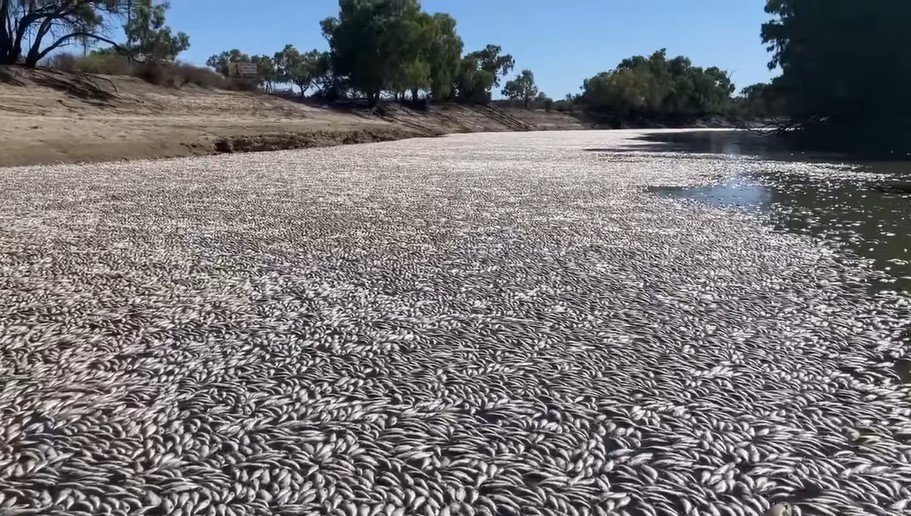
Mass Fish Kill Horror: 100,000 Native Bony Bream Wash Up Dead on Lake Menindee Shores
- Tens of thousands of native bony bream and carp found dead on the banks of Lake Menindee in far west New South Wales
- Mass fish kill comes just three years after a similar event that killed tens of millions of native species
- Experts warn of devastating impact on local ecosystem and Aboriginal culture
The tranquil shores of Lake Menindee in far west New South Wales have been transformed into a scene of ecological horror, with an estimated 100,000 native bony bream washing up dead on the riverbanks. The mass fish kill, which was discovered on Monday afternoon, has sent shockwaves through the local community and sparked concerns about the long-term impact on the region’s ecosystem and Aboriginal culture.
The discovery was made by local resident Darryn Clifton, who stumbled upon the dead fish while on his way to go fishing. “We could see these silver flashes and we came down to have a look and found thousands upon thousands of dead bony bream,” Mr. Clifton said. “I was very shocked… but given the temperature we had over the last week, the bony bream are the first to suffer in any catastrophe.”
The fish kill is believed to be linked to the recent heatwave that swept through the region, with temperatures peaking near 50 degrees Celsius in some areas. The sudden drop in temperature over the weekend may have also contributed to the event. “The temperature seems to affect these little fellas first,” Mr. Clifton said. “Some pockets of water on the other side of the lake have red alerts for blue-green algae; you have to put the two together.”
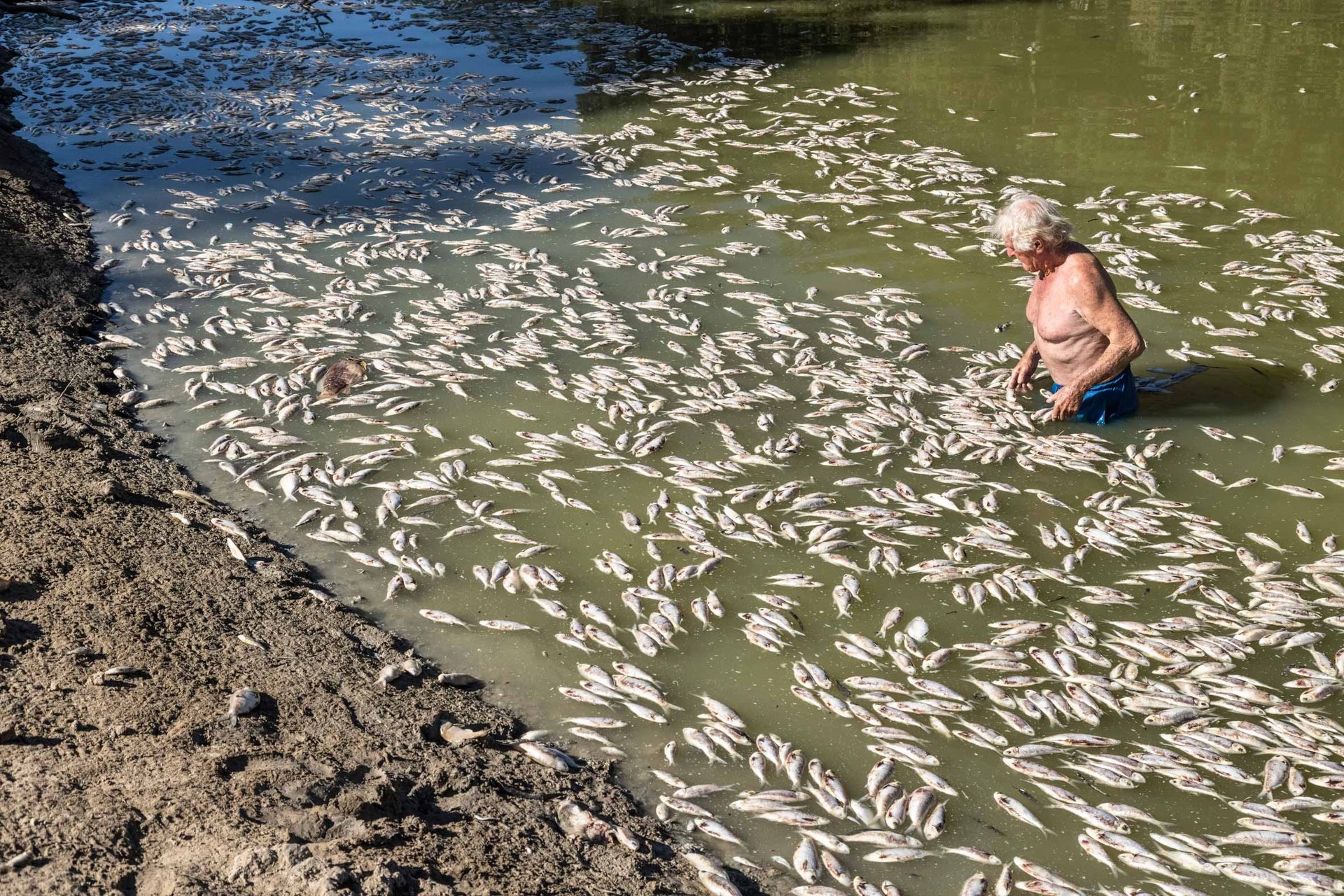
The Menindee branch of the Barkandji River Rangers, which combines local Aboriginal ancestral knowledge and modern conservation methods, has been monitoring the nearby waterways after the hot weather. Hundreds of dead fish, mostly carp, had been removed from the Darling River near Menindee last week, and the rangers have started to clean up the latest kill.
Barkandji Native Title Group Aboriginal Corporation RNTBC chief executive Luke Driscoll, whose organisation oversees the ranger program, said the sight of so many dead fish was devastating. “It’s really upsetting to see this many native fish that have been washed up on the shore of this lake [which are] obviously a very important part of our Barkandji culture,” he said.
Experts warn that the mass fish kill could have a devastating impact on the local ecosystem and Aboriginal culture. “Estimates are around 100,000 fish, which is something you don’t want to see, particularly in this area, which has seen fish kills every couple of years,” Mr. Driscoll said.
Analysis: What This Means for Australia
The mass fish kill at Lake Menindee is a stark reminder of the devastating impact of climate change on Australia’s ecosystem. As temperatures continue to rise, events like this are likely to become more frequent, with far-reaching consequences for local communities and the environment. The incident also highlights the need for greater investment in conservation efforts and protection of native species.
Security analysts say that the incident is a wake-up call for the government to take immediate action to address the root causes of climate change and protect Australia’s natural assets. “This is not just an environmental issue, but a national security issue,” said one expert. “The impact of climate change on our ecosystem and local communities will have far-reaching consequences for our economy and way of life.”
Industry observers believe that the incident will also have significant economic implications for the region, with the loss of native species likely to impact the local tourism industry and fishing sector. “This is a disaster for the local economy,” said one observer. “The government needs to take immediate action to address the root causes of this incident and ensure that it doesn’t happen again.”