
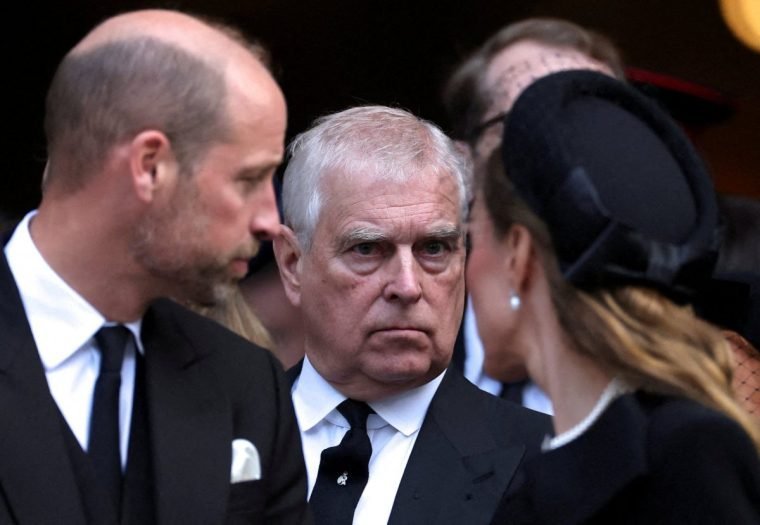
Global Royal Families Embroiled in Epstein Scandal as New Files Expose Web of Deceit and Corruption
- King Charles faces backlash over brother Andrew’s links to paedophile Jeffrey Epstein
- Newly released files reveal Crown Princess Mette-Marit of Norway’s close friendship with Epstein, including emails and visits to his Palm Beach home
- Royal families across Europe and the Middle East implicated in the scandal, sparking crisis and calls for accountability
The latest release of Jeffrey Epstein’s files has sent shockwaves through royal families across Europe and the Middle East, as the extent of their connections to the convicted child sex offender is laid bare. From King Charles to Crown Princess Mette-Marit of Norway, the revelations have sparked outrage and demands for answers.
At the centre of the storm is King Charles, whose brother Andrew Mountbatten-Windsor has been embroiled in the scandal for years. Despite his umbrella and a police cordon, the King couldn’t avoid hecklers during his first public appearance since the latest release of Epstein files. “Charles, Charles, have you pressurised the police to start investigating Andrew?” one protester shouted.
Royal historian and author Andrew Lownie believes the demand for answers will only grow louder. “I think the question is, what do they know? When did they know? What did they do then? And what are they going to do now?” Mr Lownie said.
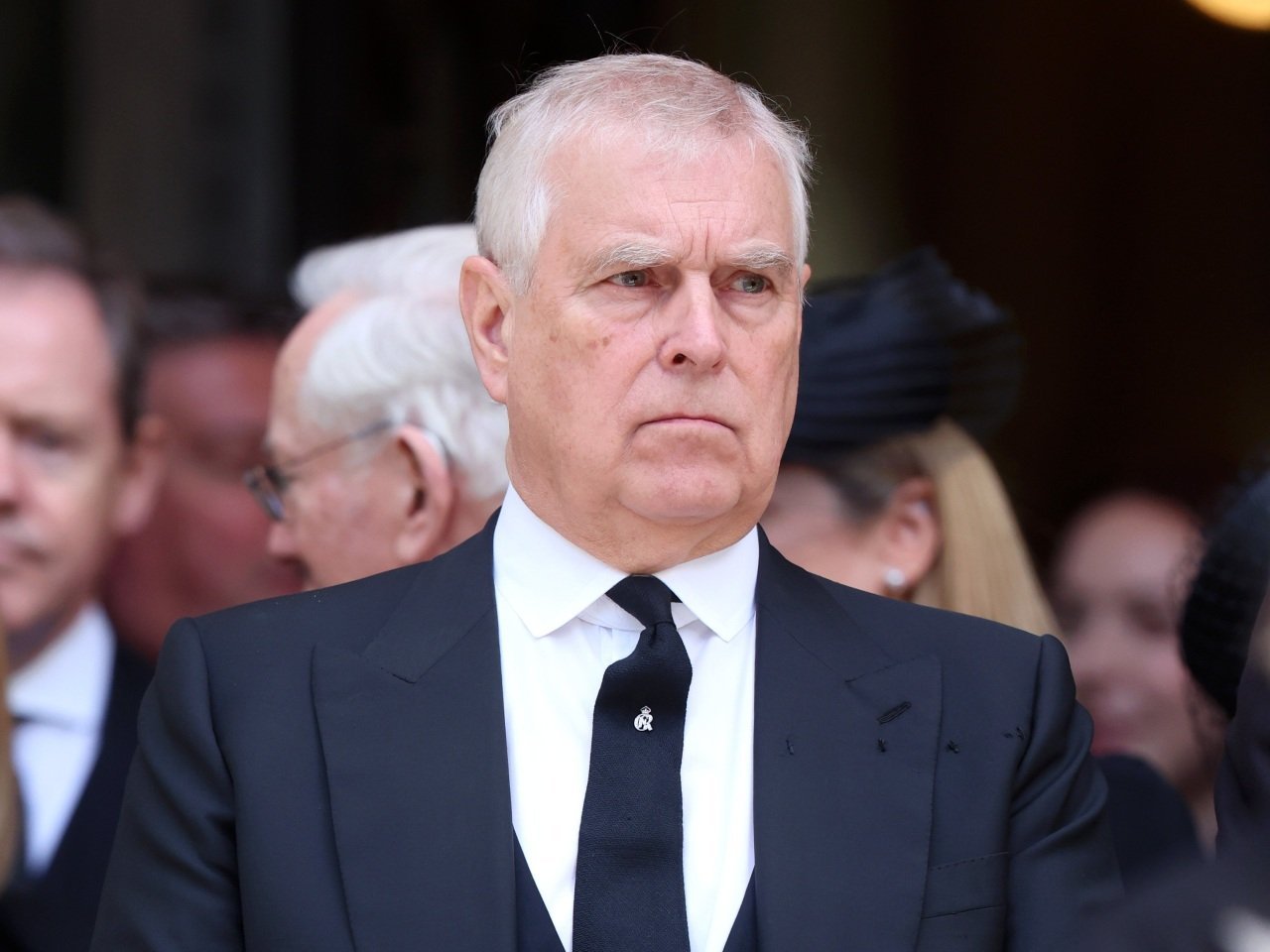
The link between Epstein and the royal families has caused years of scandal, and now it’s not just the British royals in crisis mode. The latest release of Epstein files contained mentions of monarchies across Europe and the Middle East, revealing a much bigger network than previously thought.
Analysis: What This Means for Australia
The implications of the Epstein scandal are far-reaching, with potential consequences for national security, law enforcement, and community trust in institutions. As the Australian public grapples with the extent of the royal families’ involvement, questions arise about the role of power and privilege in perpetuating abuse and corruption.
Security analysts say the scandal highlights the need for greater transparency and accountability among the elite, while law enforcement insiders warn that the Epstein case is just the tip of the iceberg. Industry observers believe the scandal will have a lasting impact on the public’s perception of royalty and the institutions that support them.
The crisis has sparked a corruption investigation in Norway, where Crown Princess Mette-Marit has been forced into a public apology over her links to Epstein. Emails between the princess and the paedophile reveal a warm relationship between 2011 and 2014, well after his release from prison in 2009 for child sex offences.
In Sweden, Princess Sofia is another royal who appears in the latest tranche of files. Long before she married Swedish Prince Carl Philip, the then-aspiring actress was introduced to Epstein in 2005 through her mentor, businesswoman Barbro Ehnbom. The Swedish Royal Court has previously said Princess Sofia met Epstein a handful of times before his 2008 conviction, but she declined an invitation to his island and had not been in contact with him for 20 years.
The files also reveal consistent contact between Epstein and Raafat Al-Sabbagh, an adviser to Saudi Arabia’s royal court, and associate of Crown Prince Mohammed bin Salman. Most communication between the pair was sent between 2016 and 2017, and included crude exchanges, political commentary, and business advice.
The exposure of Epstein’s deep ties to multiple monarchies has shaken each institution’s carefully cultivated reputation. As the public demands accountability, the very fabric of the monarchy is being questioned. “I think people are waking up to the way the global elites operate entirely in their own interests, against the interests of the people they’re meant to serve,” Mr Lownie said.
For royalty, the outpouring of outrage is a concern. “It has sort of chipped away at that idea of a family just sort of having the inherent right to rule,” said Dr Craig Prescott, who lectures on the constitutional and political role of the monarchy at Royal Holloway, University of London. “Fundamentally, the monarchy rests on public support. If it doesn’t have the support of the public, then the point of a monarch that can represent the nation sort of disappears.”