

Bloodbath in Islamabad: Suicide Bomber Kills 31, Injures 169 in Devastating Mosque Attack
- At least 31 people killed and 169 injured in a suicide bombing at a Shi’ite Muslim Mosque in Islamabad during Friday prayers
- Bombing is one of the deadliest in recent years in the heavily guarded capital, raising concerns about rising militancy in Pakistan
- Attack highlights the vulnerability of minority Shi’ite communities in Pakistan, who have been targeted by Sunni Islamist militant groups
- Authorities struggle to contain the growing wave of violence, with no group claiming responsibility for the attack
The devastating suicide bombing at the Khadija Tul Kubra Imambargah mosque in Islamabad has sent shockwaves across Pakistan, leaving a trail of destruction and death in its wake. The attack, which occurred during Friday prayers, has claimed the lives of at least 31 people and injured 169 others, making it one of the deadliest in recent years in the heavily guarded capital.
Images from the scene showed the devastating aftermath of the bombing, with bloodied bodies lying on the carpeted mosque floor, surrounded by shards of glass, debris, and panicked worshippers. Dozens more wounded were seen lying in the gardens of the mosque, as people called for help.
The bombing is a stark reminder of the rising wave of militancy in Pakistan, which has seen a surge in violent attacks in recent years. Despite being a rare occurrence in Islamabad, the attack has raised concerns about the ability of authorities to contain the growing threat of terrorism.
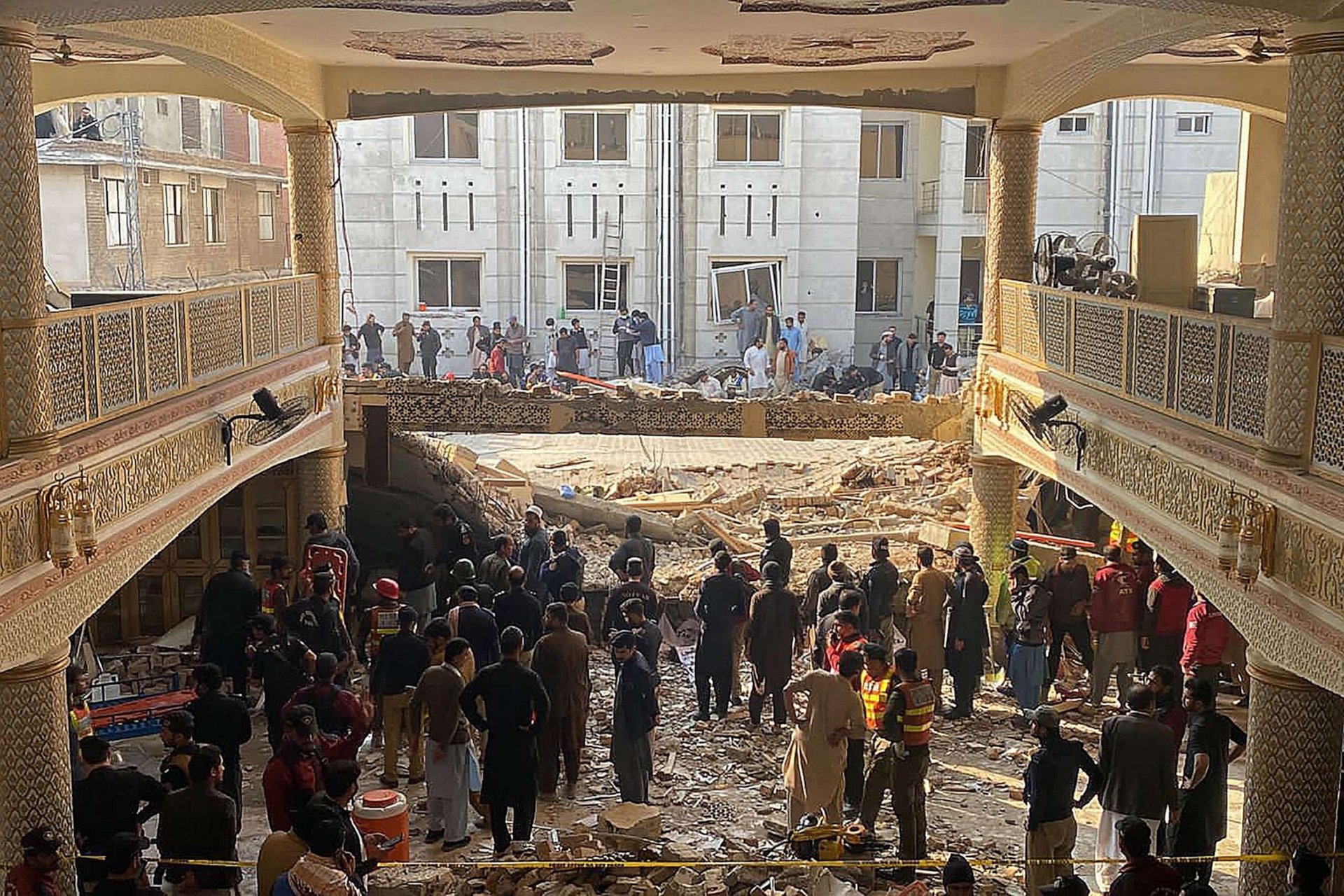
The suicide bomber was reportedly stopped at the gate of the mosque before detonating the bomb, according to two police officials who wished to remain anonymous. The attack has been condemned by authorities, who are struggling to identify the perpetrators and bring them to justice.
The bombing has also highlighted the vulnerability of minority Shi’ite communities in Pakistan, who have been targeted by Sunni Islamist militant groups in the past. The Tehreek-e-Taliban Pakistan, a Sunni Islamist militant group, has been known to target Shi’ites, who they consider heretics. The group has been responsible for several attacks on Shi’ite communities in the past.
Analysis: What This Means for Australia
The attack in Islamabad has significant implications for national security and law enforcement in Australia. The rising wave of militancy in Pakistan and the region poses a threat to global security, and Australia is not immune to the fallout. The attack highlights the need for increased cooperation between intelligence agencies and law enforcement to combat the growing threat of terrorism.
Security analysts say that the attack in Islamabad is a stark reminder of the need for increased vigilance and cooperation between countries to combat the growing threat of terrorism. “The attack highlights the vulnerability of minority communities and the need for increased security measures to protect them,” said one security expert.
The attack also has significant economic and social consequences for Pakistan, which is already grappling with a fragile economy and rising tensions with neighboring countries. The bombing is likely to further destabilize the region, leading to increased uncertainty and instability.