

Australian Scam Victims Alerted After Thai Authorities Uncover Cambodian Scam Compound with Fake AFP Office
- Hundreds of Australians warned after their personal details were found in a Cambodian scam centre raided by Thai authorities
- Fake AFP office and other fake police agencies from several countries discovered in the scam compound
- Australians reported nearly $335 million in scam losses in 2025, including $172 million from investment scams
- Experts warn of advanced scam ecosystems and the importance of international cooperation to disrupt transnational criminal networks
The National Anti-Scam Centre (NASC) has alerted hundreds of Australians after their personal details were discovered in a Cambodian scam compound seized by Thai authorities. The raid, which uncovered a fake AFP office, has highlighted the sophisticated tactics of international fraud groups and the importance of protecting personal information.
The scam centre, located in the border town of O’Smach in Cambodia’s Oddar Meanchey Province, was seized by the Thai military during an outbreak of conflict with Cambodia. The NASC sent text messages to 300 people on Wednesday, warning them that their phone numbers, names, and addresses were found in documents at the scam centre.
The discovery of Australians’ personal details in the scam compound has raised concerns about the level of organisation in international fraud groups, which often exploit data breaches to target victims. According to Hai Luong, a researcher in criminology at Griffith University, these groups prepare extensive target lists beforehand to make their contacts seem more credible, rather than making random cold calls.
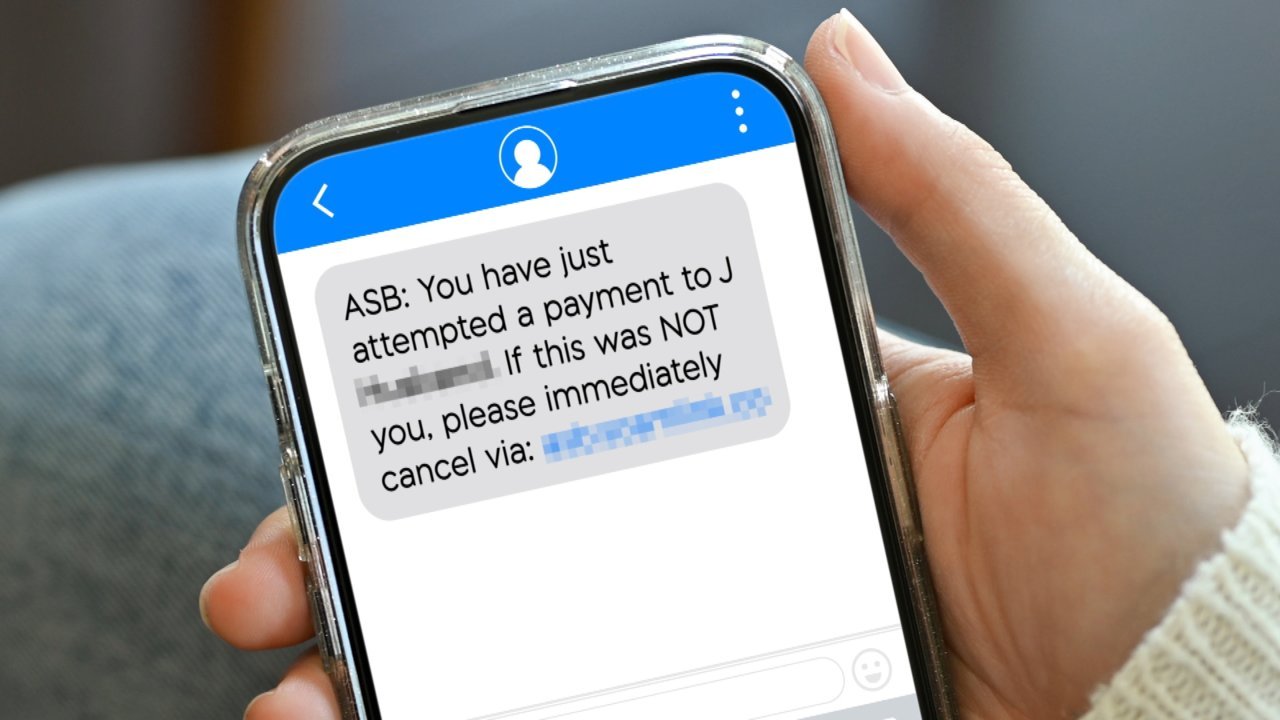
The AFP spokesperson said it was common for criminals operating large-scale scam facilities to purchase bulk lots or files of personal details from other criminals or hackers. These are then used to develop potential targets for scams. In 2024, authorities in the Philippines executed a search warrant on a Manila scam compound, leading to 5,000 text messages being sent to potential scam victims identified in WhatsApp chats on seized devices.
Australians reported nearly $335 million in losses to scams in 2025, including $172 million lost to investment scams, according to the NASC’s Scamwatch website. Dr Luong said scam groups and criminal networks typically gather personal information through data breaches and phishing schemes, and by purchasing it from illegal sources.
Analysis: What This Means for Australia
The discovery of the fake AFP office and other fake police agencies in the scam compound highlights the need for increased international cooperation and data sharing among governments to disrupt transnational criminal networks behind scams. Australia’s National Anti-Scam Centre and the AFP are working closely with Thai authorities to identify and disrupt offshore organised cybercriminal syndicates engaged in scams targeting Australians.
Experts warn that Australians are often targeted because of perceived high income levels, high digital engagement, and access to financial services. The importance of recognising social engineering tactics and protecting personal information cannot be overstated.
Security analysts say that the operation of such large-scale scam facilities in Cambodia and other countries is a reminder of the advanced nature of today’s scam ecosystems. Law enforcement insiders warn that the spread of these scams can have significant economic and social consequences for Australia, and that it is essential to stay vigilant and report any suspicious activity to the authorities.
Industry observers believe that the Cambodian government’s efforts to crack down on online scams, including the extradition of an alleged kingpin to China, are a step in the right direction. However, more needs to be done to disrupt the networks behind these scams and protect Australians from falling victim to these schemes.