
‘Social Media Menace’ Behind Bars: The Chilling Case of Theo Nolan-Isles and the War on Free Speech
- Sydney man Theo Nolan-Isles, 37, arrested over ‘menacing’ social media posts targeting politicians
- Allegedly made threats online, sparking fears of violence against elected officials
- Nolan-Isles claims posts were satirical and political, but police say they encouraged harm
A 37-year-old Sydney man is behind bars, accused of making menacing social media posts that allegedly targeted politicians. Theo Nolan-Isles was arrested in Valley Heights, in the Blue Mountains, on January 25, and has been refused bail, sparking a heated debate about free speech and the limits of online expression.
The alleged offending occurred on January 20, when Nolan-Isles made a series of social media posts that authorities claim were threatening and menacing. The exact content of the posts has not been disclosed, but police allege they encouraged violence against politicians. Nolan-Isles has been charged with one count each of using a carriage service to menace, harass or offend, and encouraging the commission of crimes.
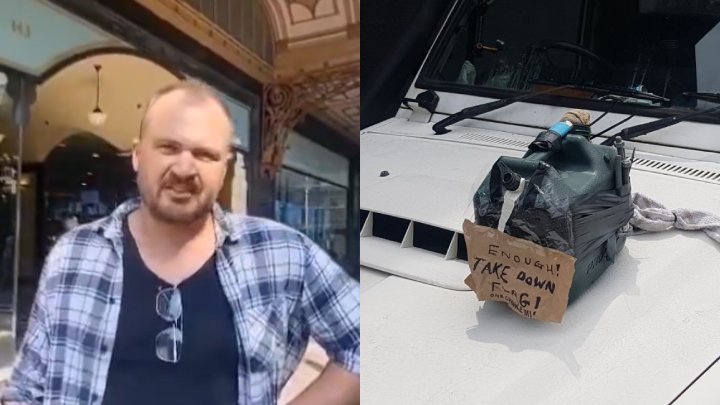
This is not Nolan-Isles’ first brush with the law. In January 2024, a bomb was placed on his car, just days after his address and identity were doxxed online for flying a Palestinian flag from his ute. A note taped to the side of the device read: “Enough! Take down flag! One chance!” A man was later sentenced to 12 months behind bars in May of that year.
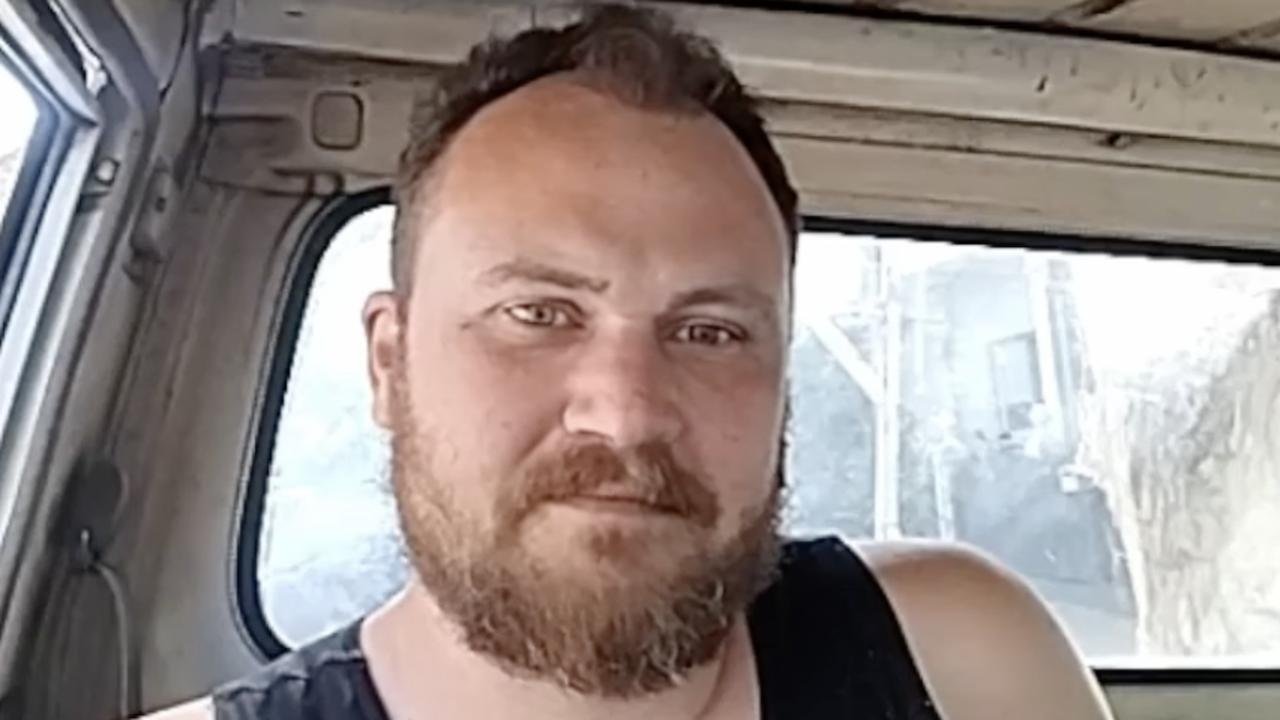
In the months that followed, Nolan-Isles became increasingly vocal about issues of civil liberties, political accountability, and the boundaries of lawful protest and speech in Australia. He publicly questioned how recent changes to public order and hate-speech laws introduced at both state and federal levels may affect political expression, protest, and dissent. His social media posts, which authorities claim were menacing, were allegedly part of this broader campaign.
Analysis: What This Means for Australia
The Nolan-Isles case raises critical questions about the limits of free speech in Australia and the role of law enforcement in policing online expression. Security analysts say the case highlights the dangers of online radicalization and the need for authorities to take a firm stance against threats of violence. However, civil libertarians argue that Nolan-Isles’ posts, even if offensive, were protected by the right to free speech and that his arrest is a chilling example of government overreach.
Law enforcement insiders warn that the proliferation of social media has created a new frontier for extremist ideologies and that authorities must be proactive in identifying and prosecuting those who use online platforms to promote violence. However, industry observers believe that the Nolan-Isles case demonstrates the need for greater nuance in the application of hate-speech laws and that authorities must be careful not to trample on the rights of individuals to express themselves online.
As Nolan-Isles remains behind bars, his case will continue to spark heated debate about the role of social media in modern society and the limits of free speech in Australia. One thing is certain: the war on free speech is far from over, and the stakes have never been higher.
A GoFundMe has been set up to support Nolan-Isles’ defence, with funds raised to cover legal expenses, including specialist representation and court fees. The campaign has shed further light on the car bomb saga and the current allegations against him, sparking a broader conversation about the limits of political expression and the role of law enforcement in policing online activity.