
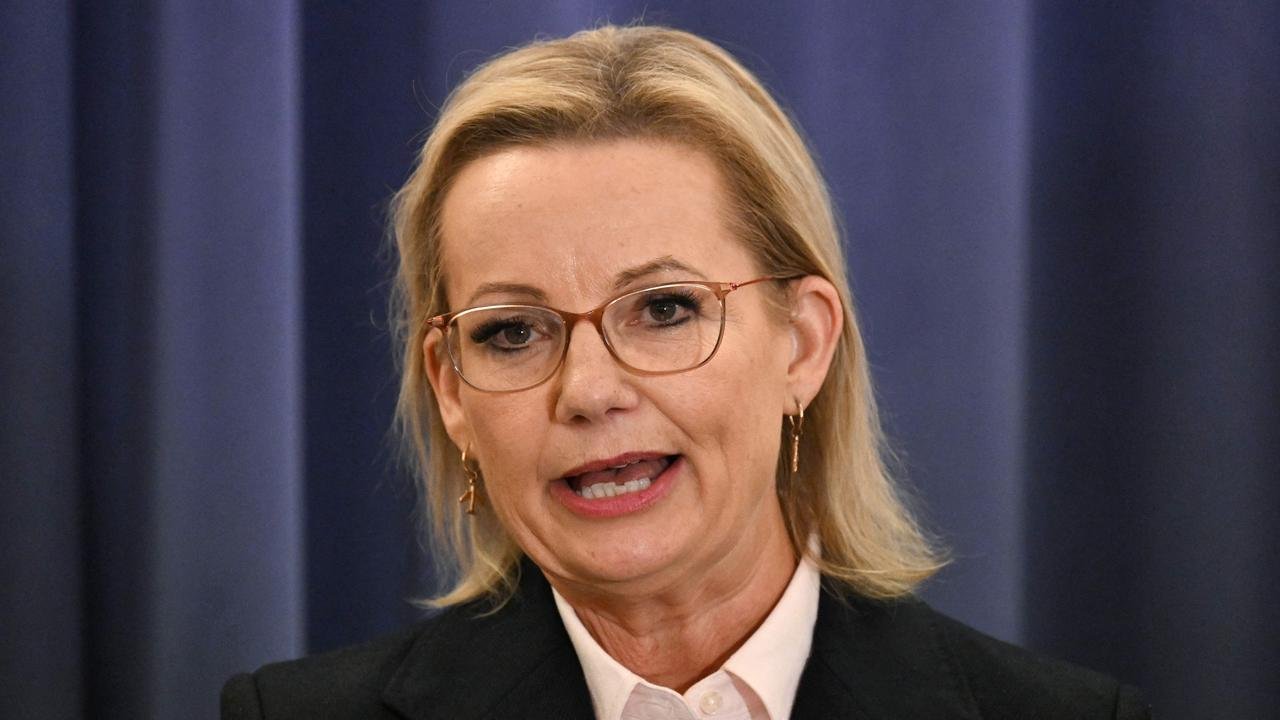
Liberal Party’s First Female Leader Sussan Ley Ousted in Brutal Coup After Just Nine Months
- Sussan Ley’s historic tenure as the Liberal Party’s first woman leader lasted only nine months before she was replaced by Angus Taylor.
- Ley’s departure has sparked concerns about the party’s treatment of women and its ability to retain female voters.
- The former leader’s inability to connect with Australians and carry her party with her ultimately led to her downfall.
- Ley’s exit has raised questions about the Liberal Party’s commitment to promoting women in leadership positions.
Sussan Ley’s rise to becoming the Liberal Party’s first female leader was historic, but her fall from grace was swift and brutal. After just nine months at the helm, Ley was ousted in a decisive vote by her colleagues, marking a premature end to her leadership tenure. While Ley’s demise may not be solely attributed to sexism, her experience has sparked concerns about the party’s treatment of women and its ability to retain female voters.
Ley’s leadership was marked by her inability to connect with Australians and carry her party with her. Despite her impressive resume, which includes a background in farming, aviation, and finance, Ley struggled to articulate a clear vision for the party and the nation. Her leadership style, which was marked by a consultative approach, was seen as indecisive and lacking in direction.
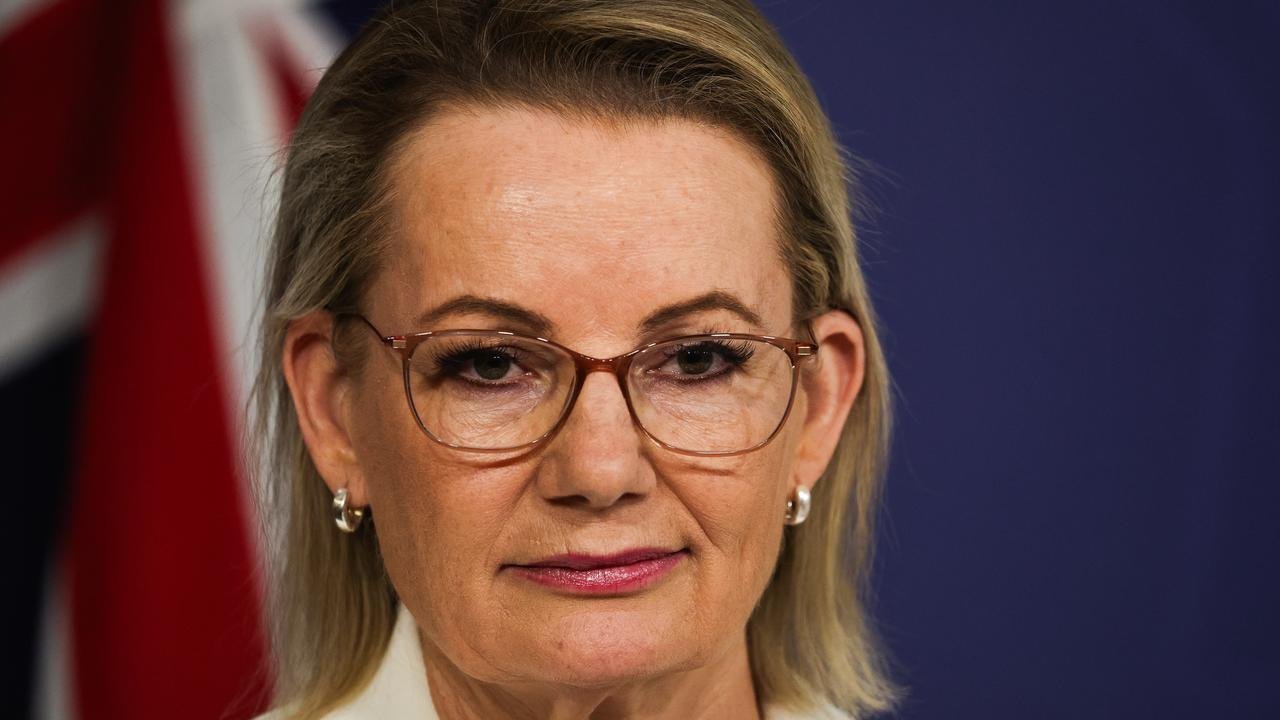
The circumstances surrounding Ley’s departure have raised questions about the Liberal Party’s commitment to promoting women in leadership positions. While Ley’s exit may not be solely attributed to sexism, her experience is reflective of the challenges women face in male-dominated political environments. The party’s treatment of Ley has sparked concerns about its ability to retain female voters, who are increasingly defecting to other parties.
Analysis: What This Means for Australia
The Liberal Party’s treatment of Sussan Ley has significant implications for Australian politics. The party’s inability to retain female leaders and promote women in leadership positions undermines its credibility and legitimacy. The party’s failure to address these issues will only exacerbate its declining popularity among female voters, ultimately threatening its electoral prospects.
Security analysts say that the Liberal Party’s treatment of Ley is symptomatic of a deeper problem within the party. “The party’s inability to promote women in leadership positions is a reflection of its outdated values and attitudes,” said one analyst. “Until the party addresses these issues, it will continue to struggle to connect with female voters.”
Ley’s departure has also sparked concerns about the party’s commitment to promoting diversity and inclusion. The party’s failure to retain female leaders and promote women in leadership positions undermines its ability to represent the diverse needs and interests of the Australian people. Industry observers believe that the party’s inability to address these issues will ultimately threaten its long-term viability.
As Ley departs the political scene, the Liberal Party is left to grapple with the consequences of its actions. The party’s treatment of Ley has sparked a national conversation about the role of women in politics and the need for greater diversity and inclusion. Ultimately, the party’s ability to address these issues will determine its future electoral prospects and its ability to remain relevant in Australian politics.