
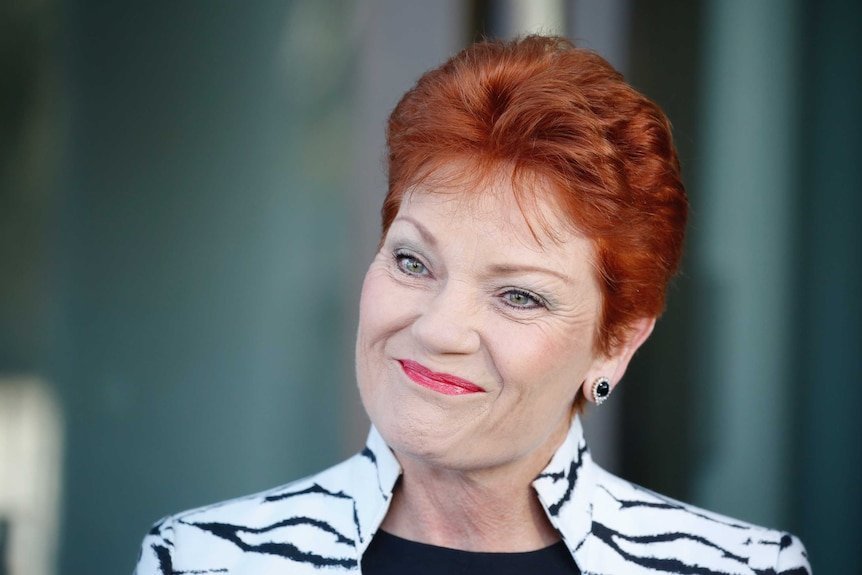
Pauline Hanson’s One Nation Sees Shocking Rise in Polls: What’s Behind the Sudden Surge?
- One Nation’s polling popularity has skyrocketed to above 20 per cent nationally, ahead of the combined vote of the Liberal and National parties.
- Experts are stunned by the rapid rise, with some calling it the fastest polling increase in modern Australian politics.
- If the current level of One Nation support translates to the ballot box, it will drastically reshape Australian politics.
The dramatic surge in One Nation’s polling has left political analysts and experts stunned, with some describing it as the fastest rise in modern Australian politics. Since the federal election in May last year, One Nation’s popularity has skyrocketed to above 20 per cent nationally, ahead of the combined vote of the Liberal and National parties. This unprecedented growth has raised questions about what’s driving the sudden surge and what it means for Australia’s political landscape.
Political scientists and pollsters are struggling to understand the sheer numbers of people telling pollsters they will vote for One Nation. “I am shocked by every poll I see — and I do this for a living,” says ANU political scientist Jill Sheppard. The latest polling data shows a titanic shift in voter sentiment, with One Nation’s vote leaping to a level never seen before, while the Coalition’s support drops off drastically.
But what’s behind this sudden surge in One Nation’s popularity? According to experts, it’s not just about One Nation — the dramatic collapse in Coalition support is the other side of the same coin. One major factor is the cost of living, which is ranked as the top issue by 75 per cent of voters nationwide. One Nation voters are largely in line with the rest, but there’s one issue where their pattern looks very different from other parties — immigration. More than half of One Nation voters rank it as a driving force for their vote, much higher than for any other group of voters.
Analysis: What This Means for Australia
This sudden surge in One Nation’s popularity has significant implications for Australia’s national security, law enforcement, and community safety. If One Nation’s current polling translates to the ballot box, it could win seats and potentially hold significant sway in parliament. Security analysts warn that this could lead to a shift in the national conversation around issues like immigration, border control, and cultural identity. “There’s a real threat here that the major parties allow One Nation all of the oxygen on issues like immigration,” says Jill Sheppard. “I think that’s a danger, because if the major parties aren’t talking about immigration, then more extreme parties will, and the public debate will be a lot worse.”
One Nation’s focus on immigration and cultural identity resonates with many voters who feel unheard by the major parties. “Immigration, identity, loss of agency, loss of agency because of those urban elites, loss of agency because of those migrants,” says Redbridge pollster Kos Samaras. “And there’s racism there. It’s always there. But I would argue that it’s the economics, fragility, and abandonment that’s actually driving a lot of this.”
Experts warn that the rise of One Nation could have far-reaching consequences for Australian politics and society. “We can’t use history to guide us in this because, of course, we are witnessing something quite different,” says Kos Samaras. “We’ve never seen these sorts of polling numbers, we probably have not seen this level of distrust towards institutions and established party politics across the Western democracies ever — you’ll probably have to go back to the Great Depression just after the First World War.”
In this uncertain landscape, one thing is clear: One Nation’s sudden surge in popularity is a wake-up call for Australian politics. As the nation heads into a critical period of elections and by-elections, one thing is certain — the shape of Australian politics is set to change dramatically.