
Fury as Bureau of Meteorology’s ‘Catastrophic’ Rainfall Forecast Falls Flat, Leaving Taxpayers with a $96.5m Bill
- Queensland councils activate major flood response measures, only to receive a mere 30mm of rain
- Bureau of Meteorology defends its warnings, citing the speed of a coastal trough as the reason for the discrepancy
- Taxpayers left footing the bill for the Bureau’s $96.5 million website makeover, widely panned by the public
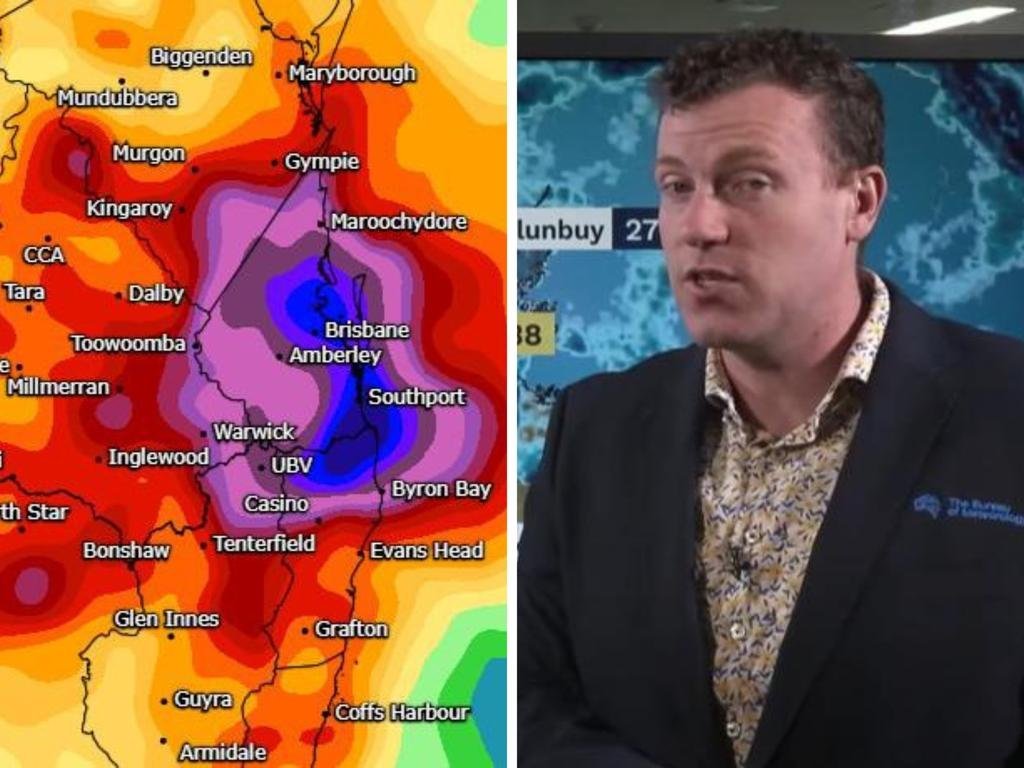
The Bureau of Meteorology has come under fire after its dire warnings of a weekend deluge in Queensland prompted local councils to activate major flood response measures, only to receive a paltry 30mm of rain. The botched forecast has left taxpayers questioning the value of the Bureau’s $96.5 million website makeover, which has been widely criticized by the public.
The drama began when the Bureau forecast in excess of 300mm of rain in parts of Queensland’s south east between Friday and Sunday. Meteorologist Angus Hines warned that “some of those higher-end numbers could certainly exceed 200mm” and that “one or two locations getting 300mm in the next few days” was not out of the question. The warning prompted City of Moreton Bay, Ipswich City Council, and Brisbane City Council to open sandbagging stations, with Brisbane Lord Mayor Adrian Schrinner encouraging residents in low-lying areas to prepare.
However, by Friday afternoon, the stations had been shuttered, and the Bureau downgraded its initial predictions. In the end, Brisbane measured just 30mm of rainfall across the entire weekend, with towns in the Sunshine Coast hinterland recording the highest totals, at 60mm in Maleny and 53mm at Doonan.
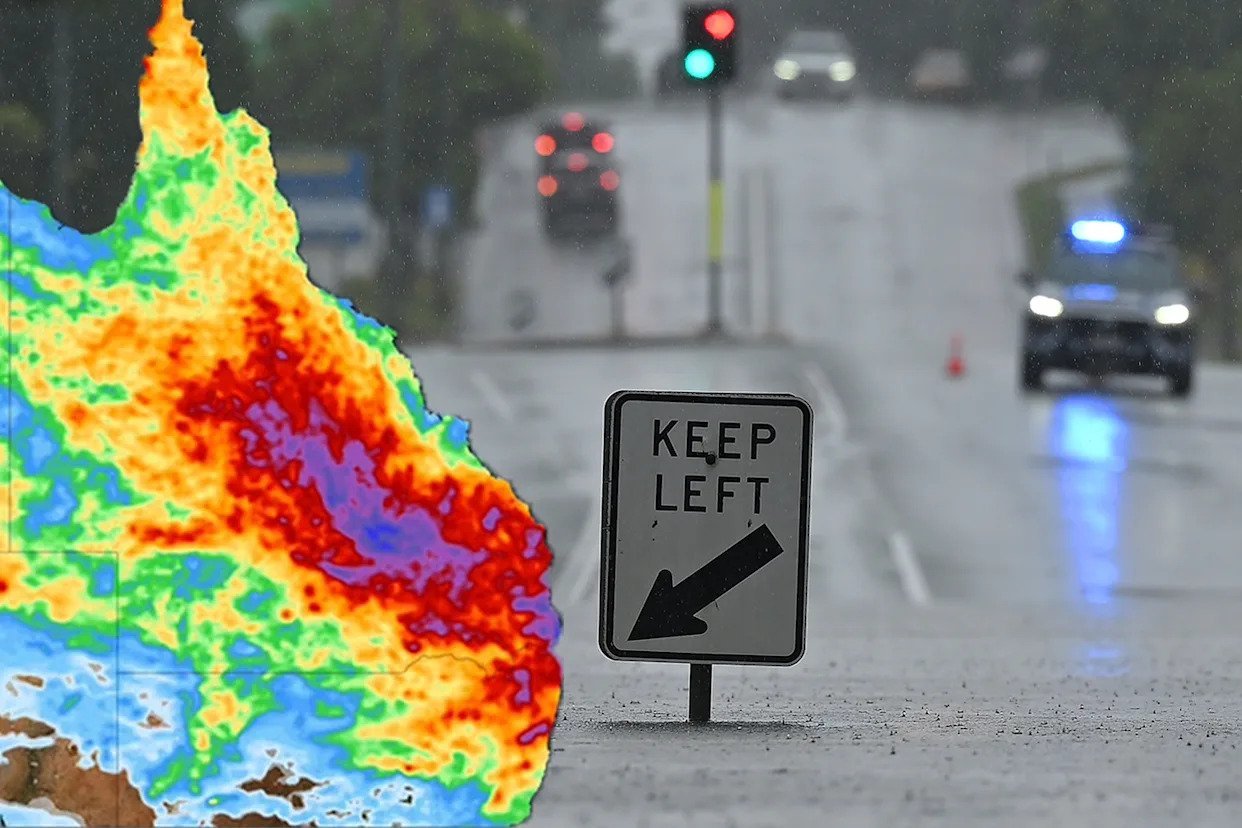
The debacle has sparked widespread ridicule, with Higgins Storm Chasing joking on social media that the Bureau’s forecast models had “an extra 0 at the end of the four-day rainfall totals up until Thursday night”. Brisbane Weather’s David Taylor also acknowledged that he had “got caught up in the moment, worrying about the potential impact on people – thinking, if 500mm hit, that would be devastating”.
Senior meteorologist Felim Hanniffy attributed the discrepancy between the Bureau’s forecast and the actual rainfall to the speed of a coastal trough. “The rainfall was dependent on how the coastal trough moved,” Mr Hanniffy explained. “The trough stalled around the Gold Coast and then moved northward pretty quickly on Friday and then slowed up around the Wide Bay and Burnett during Friday evening. The models were pinning the risk anywhere from parts of the Gold Coast, over Brisbane, and further north, so the heaviest falls were always going to be where that trough was going to be slowest moving.”
The incident has raised questions about the value of the Bureau’s $96.5 million website makeover, which has been widely panned by the public. The revamp, unveiled in October last year, was part of a wider, multi-year system upgrade, but has garnered swift backlash from many of the estimated eight million Australians who rely on the site for their weather information.
Bureau chief executive Stuart Minchin has repeatedly been forced to admit that the renovation “didn’t get it right for every sector of the community”. Despite this, he has insisted that the website is “not a failure”, claiming that it has met 80 to 90 per cent of its intended outcomes.
Analysis: What This Means for Australia
The Bureau’s botched forecast and the controversy surrounding its website makeover have serious implications for Australia’s national security and public safety. The ability of the Bureau to provide accurate and reliable weather forecasts is critical to the country’s ability to prepare for and respond to natural disasters. The fact that the Bureau’s forecast was so wildly inaccurate raises questions about the effectiveness of its systems and the competence of its staff.
Furthermore, the $96.5 million price tag for the website makeover is a significant burden on taxpayers, who are already facing rising costs of living and a slowing economy. The fact that the revamp has been so widely criticized by the public raises questions about the value of the investment and whether it is truly serving the needs of Australians.
Security analysts say that the incident highlights the need for greater investment in Australia’s weather forecasting capabilities and a more robust system of checks and balances to ensure that forecasts are accurate and reliable. Law enforcement insiders warn that the consequences of a major weather event could be catastrophic if the Bureau’s systems are not up to scratch.
Industry observers believe that the Bureau’s mistakes will have a ripple effect on the economy, with businesses and individuals forced to bear the cost of inaccurate forecasts. The incident has also raised questions about the accountability of the Bureau and its leadership, with many calling for greater transparency and scrutiny of its operations.
In the end, the Bureau’s botched forecast and website makeover debacle is a wake-up call for Australia. It highlights the need for greater investment in our national infrastructure and a more robust system of checks and balances to ensure that our institutions are serving the needs of the public. Anything less is unacceptable.