
Abandoned Mine Nightmare: Traditional Owners Fear ‘Giant Hole in the Ground Forever’ as Rio Tinto Fails to Clean Up Toxic Legacy
- Western Australia’s Argyle diamond mine, once the world’s largest producer of pink diamonds, is being rehabilitated, but traditional owners are refusing to accept a site contaminated with “forever chemicals”.
- Rio Tinto’s failure to properly clean up the site has led to a breakdown in trust with traditional owners, who fear they will be left with a toxic legacy.
- The mine’s closure plan has been slammed as inadequate, with concerns that water contaminants will prevent traditional owners from fishing in the area.
The Argyle diamond mine, a once-thriving operation that produced 90 per cent of the world’s pink diamonds, has left a toxic legacy in its wake. As Rio Tinto works to rehabilitate the site, traditional owners are refusing to accept a closure plan that they say will leave them with a “giant hole in the ground forever”.
The mine, located in Western Australia’s remote East Kimberley region, ceased production in 2020 after nearly four decades of operation. Since then, Rio Tinto has been working to demolish the site, restore the land, and revegetate the area. However, traditional owners are far from satisfied with the company’s efforts.
Kia Dowell, a Gija woman and chair of Gelganyem Limited, which manages relations between Rio and the traditional owners, said the current closure plan is unacceptable. “As it stands now, traditional owners have confirmed that we are unwilling to accept a site that is contaminated with forever chemicals,” she said.
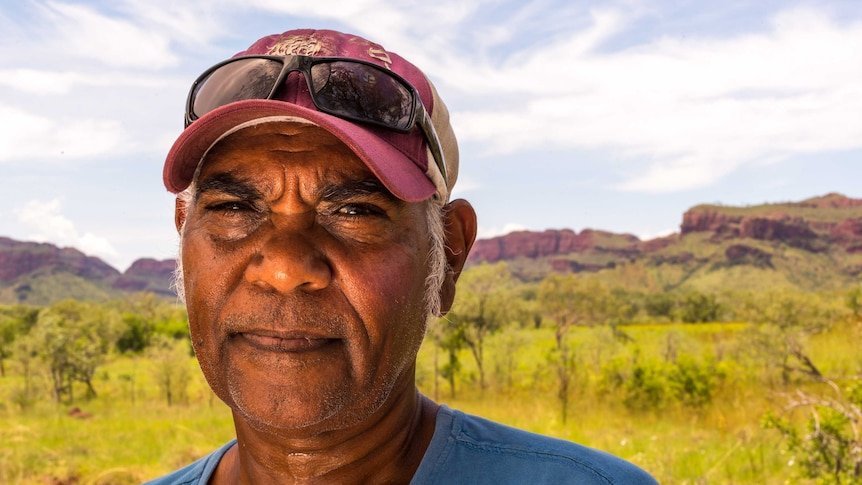
The Gelganyem group has been vocal about their concerns, citing the long-term impact of the mine’s toxic legacy on the environment and their way of life. “We want the accountability to sit with the accountable parties who have extracted so much value from this site,” Ms Dowell said. “We want those profits to be reinvested into the country to ensure that my kids, their kids and so on are able to go to that country and interact with it the way that their ancestors used to be able to.”
Analysis: What This Means for Australia
The Argyle mine’s closure has significant implications for Australia’s mining industry and the country’s relationships with traditional owners. The failure to properly rehabilitate the site raises questions about the long-term sustainability of mining operations and the impact on the environment.
Security analysts say that the mine’s toxic legacy poses a significant risk to the environment and public health. “The contamination of water sources and soil has the potential to have far-reaching consequences for the local ecosystem and the people who depend on it,” said one expert.
Law enforcement insiders warn that the failure to hold companies accountable for their environmental impact can lead to a culture of impunity. “If companies are not held to account for their actions, it sends a message that they can operate with impunity, regardless of the consequences,” said one insider.
Industry observers believe that the Argyle mine’s closure is a wake-up call for the mining industry. “The industry needs to take a long, hard look at its practices and prioritize sustainability and environmental responsibility,” said one observer.
Rio Tinto’s spokesperson said the company is committed to delivering a “safe, stable, and culturally respectful” closure, but traditional owners remain skeptical. As the company works to complete demolition, landform profiling, and revegetation of the site, one thing is clear: the Argyle mine’s toxic legacy will have a lasting impact on Australia’s mining industry and the people who call the East Kimberley region home.