

Liberal Party’s Lurch to the Right: A Desperate Bid to Counter One Nation’s Rise
- The Liberal Party is poised to take a harder line on immigration, inspired by a controversial UK Labour policy, in a bid to counter One Nation’s surging popularity.
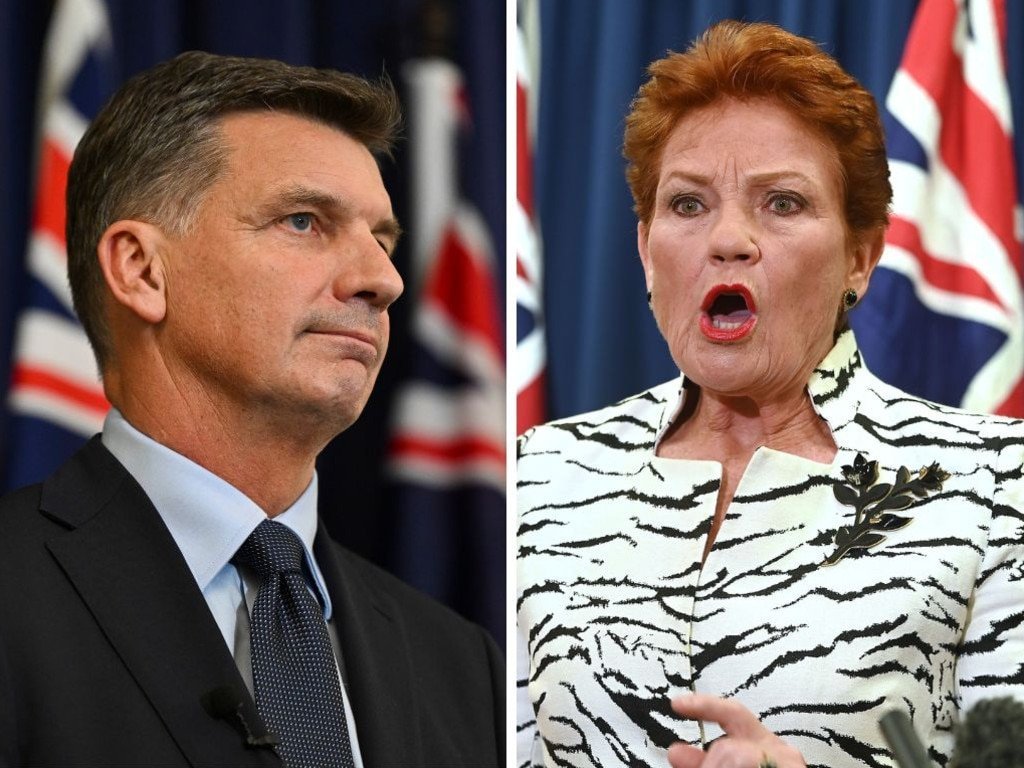
- The party’s new leader, Angus Taylor, is seeking to unify the party and shift it further to the right, with a tougher immigration policy at the centre of his vision.
- The move has sparked internal divisions, with moderates warning against a hardline approach that could alienate voters and damage the party’s reputation.
The Liberal Party is on the cusp of a major shift to the right, driven by the rise of One Nation and the need to reclaim its conservative base. Senior sources have revealed that the party is discussing a controversial approach to immigration, inspired by a recent UK Labour policy, which would ban citizens from countries that refuse to take back their nationals whose visas have been cancelled.
The party’s new leader, Angus Taylor, is determined to unify the party and shift it further to the right, with a tougher immigration policy at the centre of his vision. In his first public appearance as opposition leader, Taylor declared that “the door must be shut” to people who do not align with “Australian values”.
However, the move has sparked internal divisions, with moderates warning against a hardline approach that could alienate voters and damage the party’s reputation. South Australian Liberal senator Andrew McLachlan expressed concerns about the dangers of a hardline approach, particularly in the wake of the Bondi terror attack, when language used by some politicians to describe Muslims has sharpened.
Analysis: What This Means for Australia
The Liberal Party’s lurch to the right has significant implications for national security, law enforcement, and community cohesion. A tougher immigration policy could lead to increased tensions with countries that refuse to take back their nationals, potentially damaging diplomatic relations and creating security risks. Furthermore, a hardline approach could alienate Muslim communities and create divisions within Australian society.
Security analysts warn that the Liberal Party’s shift to the right could also create a perception of weakness and division, emboldening extremist groups and creating a security risk. Law enforcement insiders argue that a more nuanced approach is needed, one that balances national security concerns with the need to build trust with Muslim communities.
Industry observers believe that the Liberal Party’s move to the right could also have economic consequences, potentially damaging trade relationships and investment flows. A harder line on immigration could lead to a brain drain, as highly skilled workers are deterred from coming to Australia.
As the Liberal Party navigates this treacherous political landscape, one thing is clear: the stakes are high, and the consequences of failure could be severe. Will the party’s shift to the right pay off, or will it ultimately prove to be a costly mistake?