
ISIS Brides’ Shocking U-Turn: 34 Australians Abandoned in Syrian Detention Camp After Dramatic Convoy Halt
- Australian ISIS brides and their children were left stranded in a Syrian detention camp after their convoy was halted just 50km into their journey to freedom.
- The group of 34 Australians, including widows and children of ISIS fighters, were being transferred to Damascus before being sent to Beirut to seek assistance from the Australian embassy.
- The dramatic reversal has raised questions about the Australian government’s handling of the situation and its policy on repatriating citizens linked to the terrorist group.
- The incident has sparked concerns about the safety and security of the Australians still being held in the camp, with many feared to be at risk of radicalization.
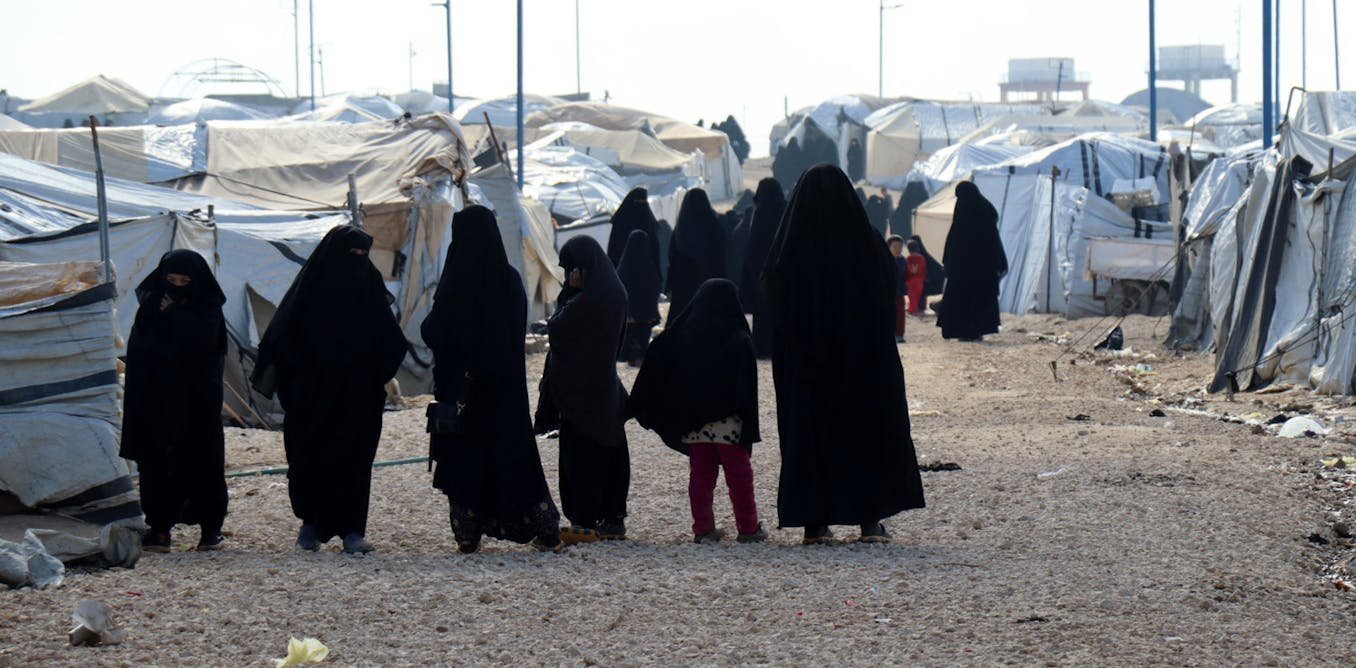
The planned departure of 34 Australians from a Syrian detention camp turned into a dramatic farce on Monday when their convoy was halted and returned to the camp. The group, including ISIS brides and their children, had been expected to travel to Damascus before seeking assistance from the Australian embassy in Beirut. However, their journey was abruptly cut short just 50km into the trip, leaving them stranded in the Roj camp.
The reversal has raised more questions about the Australian government’s handling of the situation and its policy on repatriating citizens linked to the terrorist group. The government has maintained that it is not facilitating the operation and has warned that any adult who has committed offences would face the “full force of the law” if they return.
The incident has sparked concerns about the safety and security of the Australians still being held in the camp, with many feared to be at risk of radicalization. The Roj camp, where the Australians are being held, is home to over 2,000 people from about 40 countries, the majority of whom are women and children. The camp is controlled by Kurdish-led authorities, but travel to Damascus requires coordination with the Syrian government, which has been accused of human rights abuses.

The situation is further complicated by the fact that northern Syria is politically fragmented, with Kurdish-led authorities controlling the camps where ISIS-linked detainees are held, while the Syrian government controls other areas. Any cross-territory transfer requires approvals from multiple authorities, which can be difficult to obtain.
The US has urged countries to repatriate their citizens from the camps, warning that they can become “incubators for radicalization.” However, the Australian government has maintained that “the safety of Australians and the protection of Australia’s national interests remain the overriding priority.”
Analysis: What This Means for Australia
The failed convoy is a stark reminder of the complexities and challenges involved in repatriating Australian citizens linked to ISIS. The incident raises serious questions about the government’s handling of the situation and its ability to ensure the safety and security of its citizens. The fact that the convoy was halted due to “technical reasons” and procedural issues involving the Damascus government highlights the difficulties of navigating the complex political landscape in Syria.
Security analysts say that the incident is a wake-up call for the Australian government to re-examine its policy on repatriating citizens linked to ISIS. “The government needs to take a more proactive approach to repatriating its citizens, rather than relying on ad hoc arrangements that can be easily derailed,” said one analyst. “The safety and security of Australian citizens should be the top priority, and the government needs to take a more comprehensive approach to addressing this issue.”
The incident also raises concerns about the impact of the government’s policy on the children of ISIS fighters, many of whom are Australian citizens. The government’s reluctance to repatriate these children has been criticized by human rights groups, who argue that they should be given the opportunity to reintegrate into Australian society.
The failed convoy is a dramatic reminder of the challenges involved in dealing with the aftermath of ISIS’s collapse. As the situation in Syria remains volatile, the Australian government needs to take a more proactive approach to repatriating its citizens and addressing the complex issues involved in dealing with ISIS-linked individuals.