
Australian ISIS Brides’ Shocking U-Turn: 34 Women and Children Forced Back to Syrian Detention Camp After ‘Technical Glitch’ Halts Repatriation
- Troubled ISIS brides and their kids, including 34 Australians, were dramatically turned back at the Syrian border due to a “technical issue” with Damascus authorities.
- The women, who have been held at the notorious Roj camp, were initially handed over to family members but were forced to return to the detention centre.
- The incident has sparked fears of a major security breach, with Australia’s national interests and public safety hanging in the balance.
- The Albanese government has reiterated its hardline stance, warning that any returning ISIS brides will face the “full force of the law” if they’ve committed crimes.
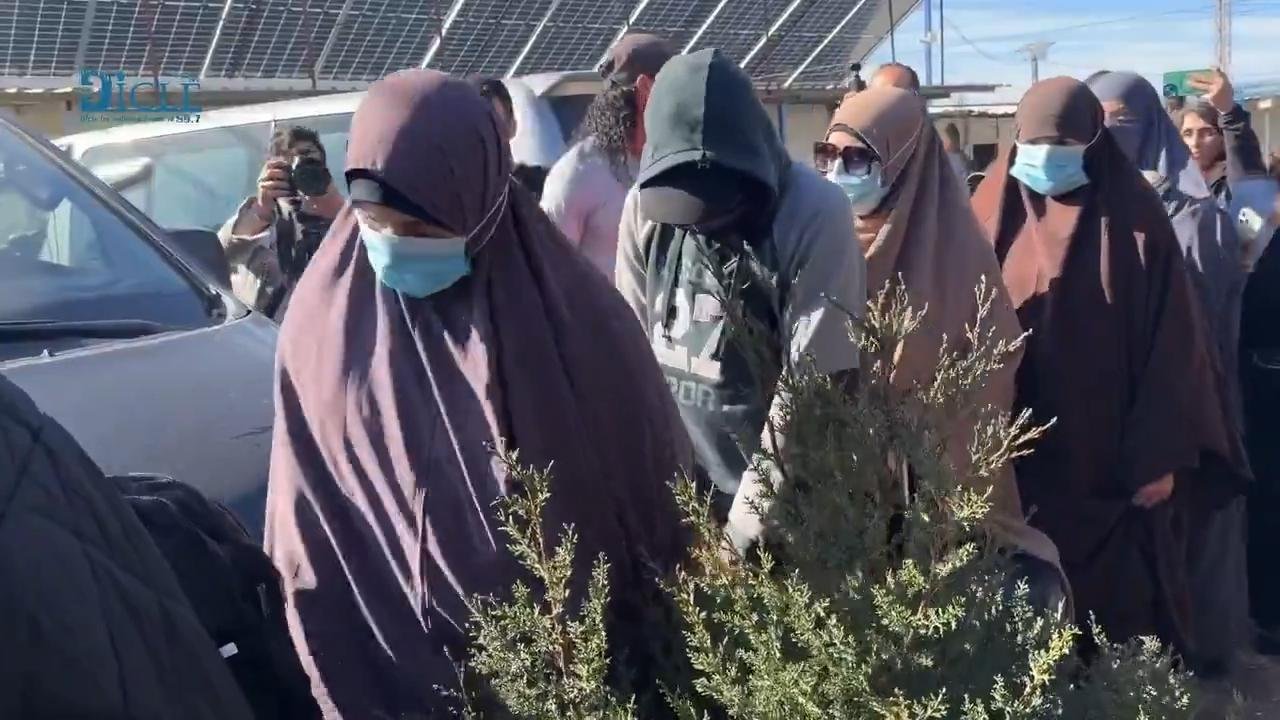
The 34 Australian women and children, allegedly linked to Islamic State militants, were initially released from the Roj camp in northern Syria, only to be forced back due to a “technical problem” between their families and the Damascus government. The dramatic U-turn has sparked concerns about Australia’s national security and the safety of its citizens.
The women, who have been detained at the camp since the fall of ISIS in 2019, were handed over to family members who had travelled to Syria for their release. However, they were soon put back on buses and returned to the detention centre, accompanied by a military escort. Syrian officials cited “technical reasons” for the sudden reversal, which is expected to be resolved later today.
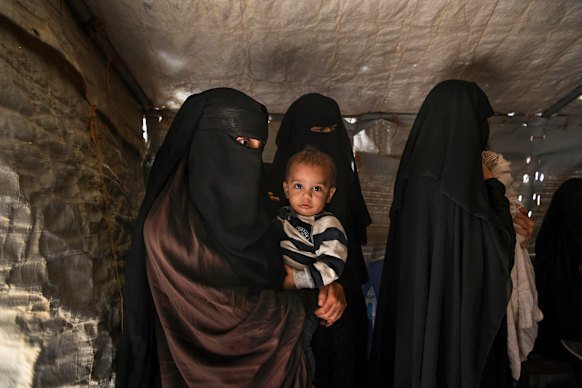
Roj camp, which holds over 2,000 people from 40 nationalities, has been a hotbed of controversy. The majority of its inmates are women and children, including British-born Shamima Begum, who was stripped of her citizenship in 2019. The camp’s co-director, Hukmiya Mohamed, stated that the Syrian Kurdish-led authorities have previously facilitated numerous releases, but only through coordination with foreign governments.
The Albanese government has been adamant that it will not repatriate people from Syria, citing national security concerns. In a statement, the government warned that anyone who has committed a crime will face the full force of the law upon their return to Australia. This hardline stance has sparked debate about the government’s responsibility to protect its citizens, while also ensuring public safety.
Analysis: What This Means for Australia
The failed repatriation of the 34 Australian women and children has significant implications for national security and public safety. Security analysts warn that the return of ISIS brides and their children poses a significant risk to Australia, particularly if they have been radicalised or have committed crimes. The government’s stance on not repatriating people from Syria may be seen as a necessary evil, but it raises questions about the long-term consequences of leaving Australian citizens in detention camps.
Law enforcement insiders warn that the failed repatriation is a major blow to Australia’s efforts to combat terrorism. The incident highlights the complexities of dealing with foreign governments and the need for a more comprehensive approach to counter-terrorism. Industry observers believe that the government must re-evaluate its strategy to address the growing threat of ISIS brides and their children, who may pose a significant risk to national security.
The incident also raises questions about the role of the Damascus government in facilitating the release of foreign nationals from detention camps. The “technical issue” that halted the repatriation process has sparked concerns about the Syrian government’s willingness to cooperate with foreign governments to address the issue of ISIS brides.