

Australian Businessman Accused of Reckless Foreign Interference: The ‘LinkedIn Spy’ Who Allegedly Worked for Chinese Intelligence
- A Sydney businessman is on trial for allegedly compiling reports for Chinese intelligence agents in exchange for cash.
- Alexander Csergo, 59, denies reckless foreign interference and claims the information he provided was open-source and not related to national security.
- The court heard Csergo was contacted on LinkedIn and met with agents in cafes and restaurants, handing over reports on topics including lithium mining and defence.
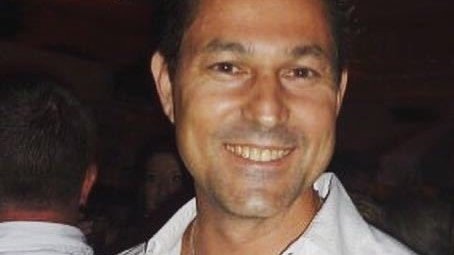
The trial of Alexander Csergo, a 59-year-old Sydney businessman, has begun in the NSW District Court, with the Crown alleging he engaged in reckless foreign interference by compiling reports for two individuals he believed worked for Chinese intelligence. Csergo, who has pleaded not guilty, claims the information he provided was open-source and not related to national security.
The court heard that Csergo’s ordeal began with a LinkedIn introduction in November 2021, which led to him meeting and communicating regularly with two people he knew as “Ken” and “Evelyn”. The Crown alleges that Csergo believed Ken and Evelyn worked for the Ministry of State Security, a Chinese intelligence agency, and were grooming him as a potential source. In exchange for cash, Csergo allegedly took instructions from them to compile reports on specific topics, including lithium mining, the change in the German government, defence, the Quad alliance, and AUKUS.
According to the Crown’s case, Csergo used his skills and expertise to locate and collate information, creating reports that addressed the exact topics and questions asked by Ken and Evelyn. The court heard that Csergo was a “prolific” user of WeChat and exchanged over 2,800 messages with Ken, demonstrating a “collegiate and friendly” relationship. The reports were allegedly handed over in hard-copy form or on a USB drive during meetings with Ken or Evelyn in cafes and restaurants that were often empty.
The Crown argues that the messages demonstrate Csergo’s awareness of the need to be careful when doing research and structuring conversations to avoid detection. A “shopping list” covering a range of topics, which Csergo had when he returned to Australia, is also seen as key evidence of the type of information he was asked to collect.
Defence barrister Iain Todd argued that the information Csergo provided was largely open-source from the internet and did not disclose any secrets. Todd claimed that Csergo had provided documents easily found on the internet and passed them off as his own work, and that one witness would testify that the reports contained “gibberish”.
Analysis: What This Means for Australia
This case raises serious concerns about the vulnerability of Australian businesses and individuals to foreign interference. The alleged activities of Alexander Csergo, if proven, would be a stark reminder of the need for vigilance in protecting our national security. Security analysts say that the case highlights the importance of being aware of the risks of online interactions and the potential for exploitation by foreign actors.
Law enforcement insiders warn that this case is just the tip of the iceberg, and that there may be many more individuals and businesses unknowingly compromised by foreign intelligence agencies. The impact of such activities on our national security and economy cannot be overstated.
As the trial continues, Australians will be watching closely to see how this case unfolds and what implications it may have for our country’s security and relationships with foreign nations.