
Australian Citizens Trapped Abroad: The Hidden Dangers of ‘Temporary’ Exclusion Orders
- Experts warn Australian citizens could be banned from returning home indefinitely under counterterrorism laws
- Temporary Exclusion Orders (TEOs) can be renewed indefinitely, effectively becoming permanent
- The laws raise serious constitutional questions about the right of citizens to return to their own country
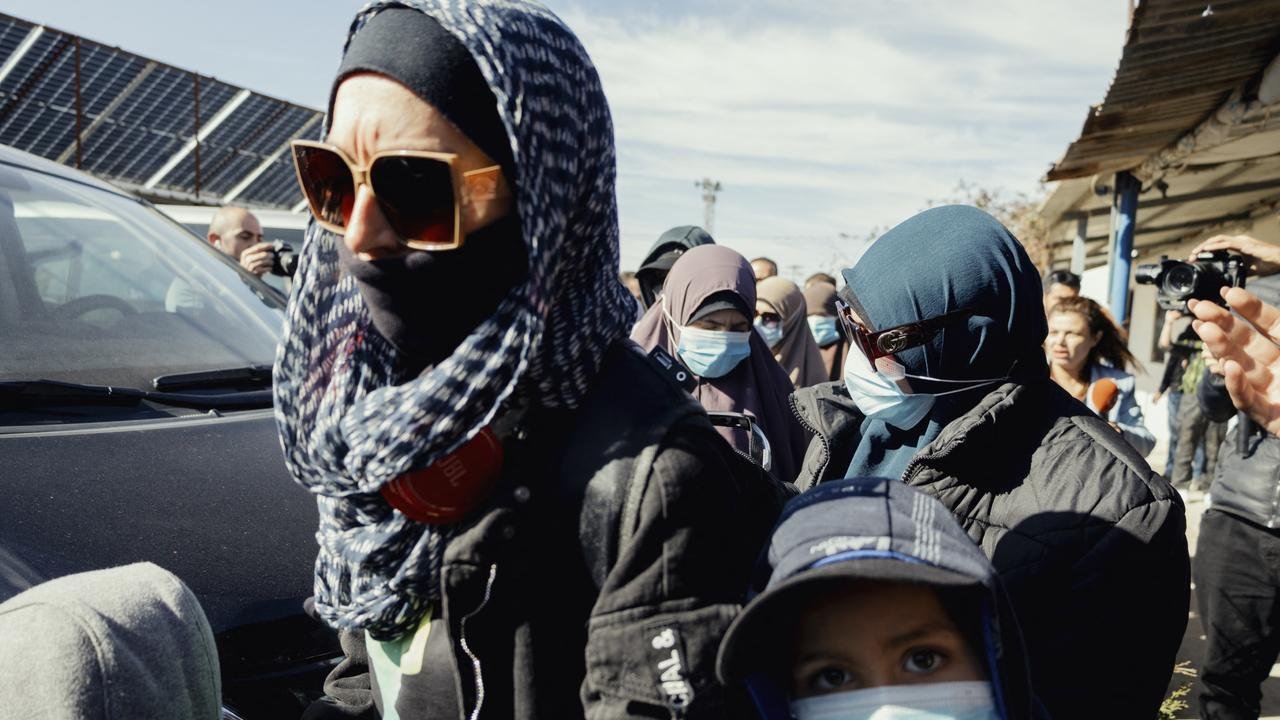
The recent attempt by 34 Australian women and children to return from a Syrian refugee camp has brought to light a sinister aspect of Australia’s counterterrorism laws. Experts say that citizens can be banned from returning home indefinitely, despite the name “temporary” in the Exclusion Orders. This has sparked concerns about the constitutional rights of Australian citizens and the potential for perpetual exclusion.
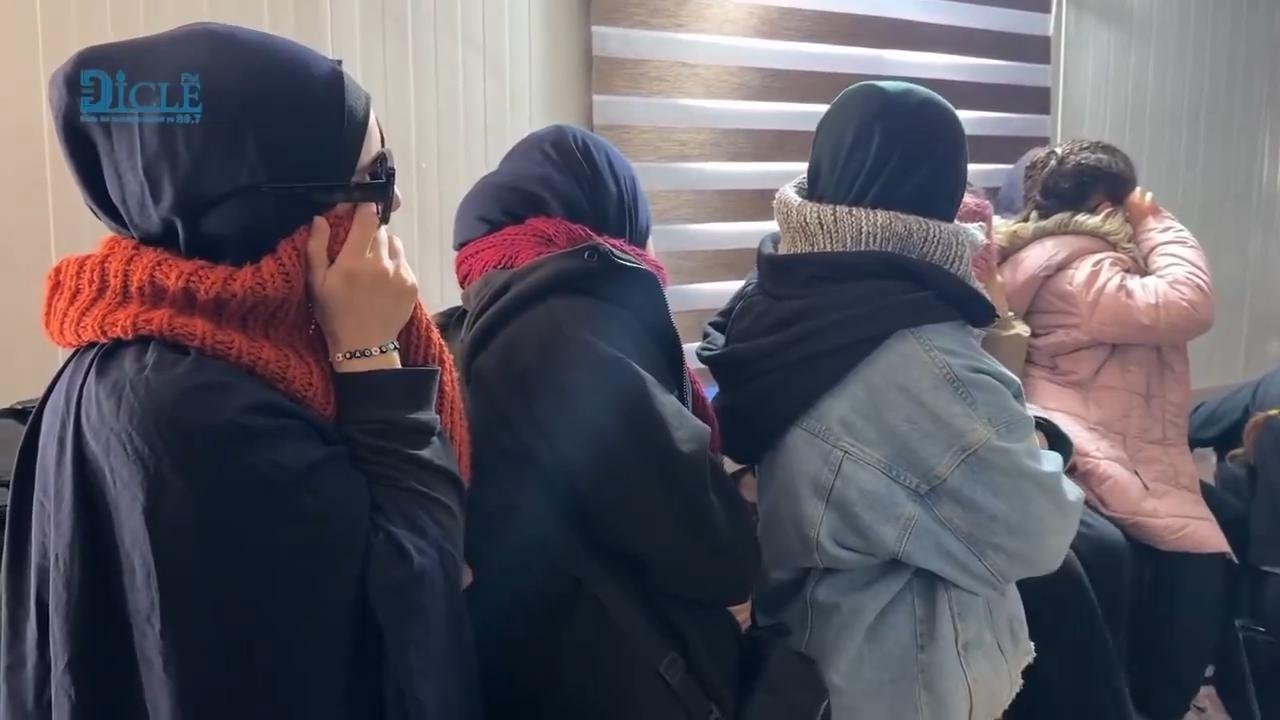
The 11 women, who were married to men who joined the Islamic State, and their 23 children, are currently living in the Al-Roj refugee camp in north-eastern Syria. While only one of the women has been issued a TEO, the implications of these laws are far-reaching. Under the legislation, the Home Affairs Minister can issue a TEO if they believe it could prevent someone from carrying out, supporting, or being trained to carry out an act of terrorism.
But here’s the catch: the “temporary” nature of these orders is misleading. While a TEO can be issued for up to two years, the minister can put conditions on a return permit, delaying the person’s entry into Australia to “assess the risk” posed by their return. This means that the person can only be barred from re-entering for 12 months, but the law allows for another exclusion order to be issued after the first one expires. This raises serious questions about the constitutional rights of Australian citizens.
Analysis: What This Means for Australia
The use of TEOs has sparked concerns about national security, law enforcement, and the impact on Australian communities. Experts say that the potential for rolling exclusion orders makes the law constitutionally “questionable”. University of Sydney legal expert Helen Irving notes that the law makes an Australian citizen’s right to enter their own country subject to a clearance from the minister. This raises questions about the balance between national security and individual rights.
Furthermore, the use of TEOs has implications for Australia’s international obligations. Don Rothwell, an international law expert from the Australian National University, notes that every citizen has a right of return to Australia. The use of TEOs in this case raises significant questions about Australia’s commitment to upholding this right.
Security analysts say that the use of TEOs is an “exceptional” measure deployed by the government, but the lack of transparency and accountability in the process raises concerns. Law enforcement insiders warn that the laws could be open to abuse, and the impact on Australian communities could be significant.
Industry observers believe that the Al-Roj case highlights the need for a more nuanced approach to counterterrorism laws. The situation raises complex questions about the balance between national security, individual rights, and international obligations. As the Australian government continues to grapple with the issue, one thing is clear: the implications of TEOs will be felt far beyond the borders of Syria.