
‘Buried Alive’ in the Outback: How One Man’s Bush Skills Saved His Life After Five Days of Hell
- A 42-year-old mechanic survived five days in the harsh Australian outback after his vehicle rolled over, using his bush skills to stay alive
- Suleiman Surtie, an experienced mechanic, was rescued by a LifeFlight helicopter after his employer reported him missing when he failed to pick up parts
- The local community rallied behind the search, with police, ground crews, and a helicopter scouring the area around Julia Creek and Richmond
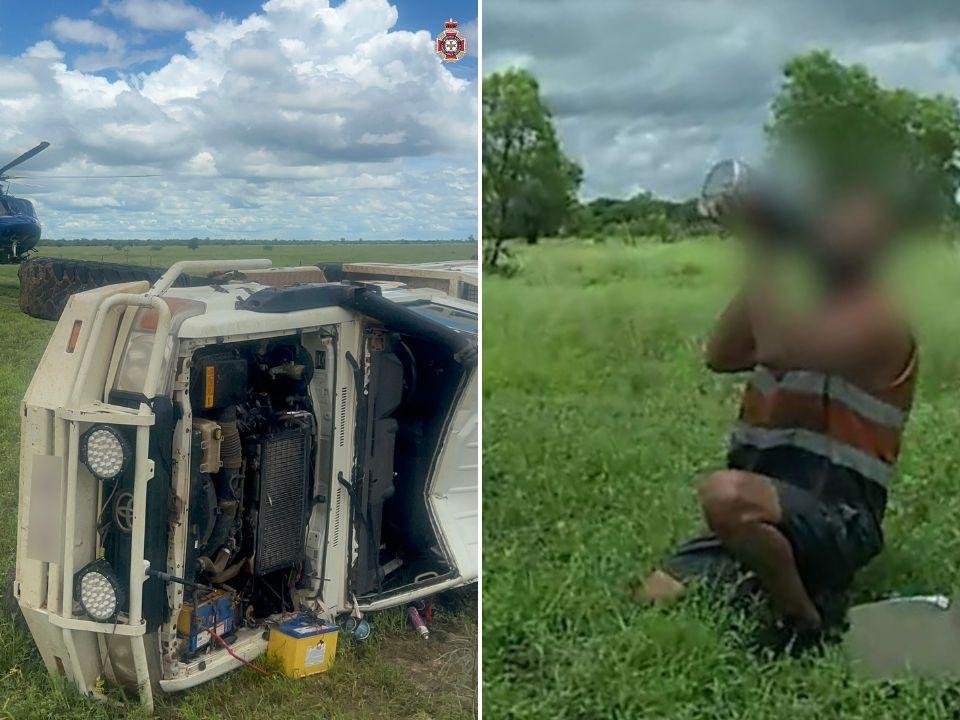
In a testament to the power of human resilience, a 42-year-old mechanic has been rescued after enduring five days of hell in the harsh Australian outback. Suleiman Surtie, an experienced mechanic and bushman, was travelling from Cloncurry to Cairns on February 13 when his white Toyota Landcruiser crashed roughly 30 nautical miles northwest of Richmond in remote Queensland.
When Surtie failed to pick up scheduled parts and could not be reached by family or colleagues, his employer, BDS Mechanical Repairs, reported him as missing to authorities. The company described Surtie as a “highly experienced mechanic” who has travelled extensively across Queensland in his two and a half years with the company, often navigating multiple wet seasons in challenging locations.
The local community rallied behind the search, with police, ground crews, and a helicopter scouring the area around Julia Creek and Richmond. After five days in the harsh outback, Surtie was located near his overturned vehicle, having fashioned a makeshift camp using parts of the crashed Landcruiser, along with a swag and a camping chair.
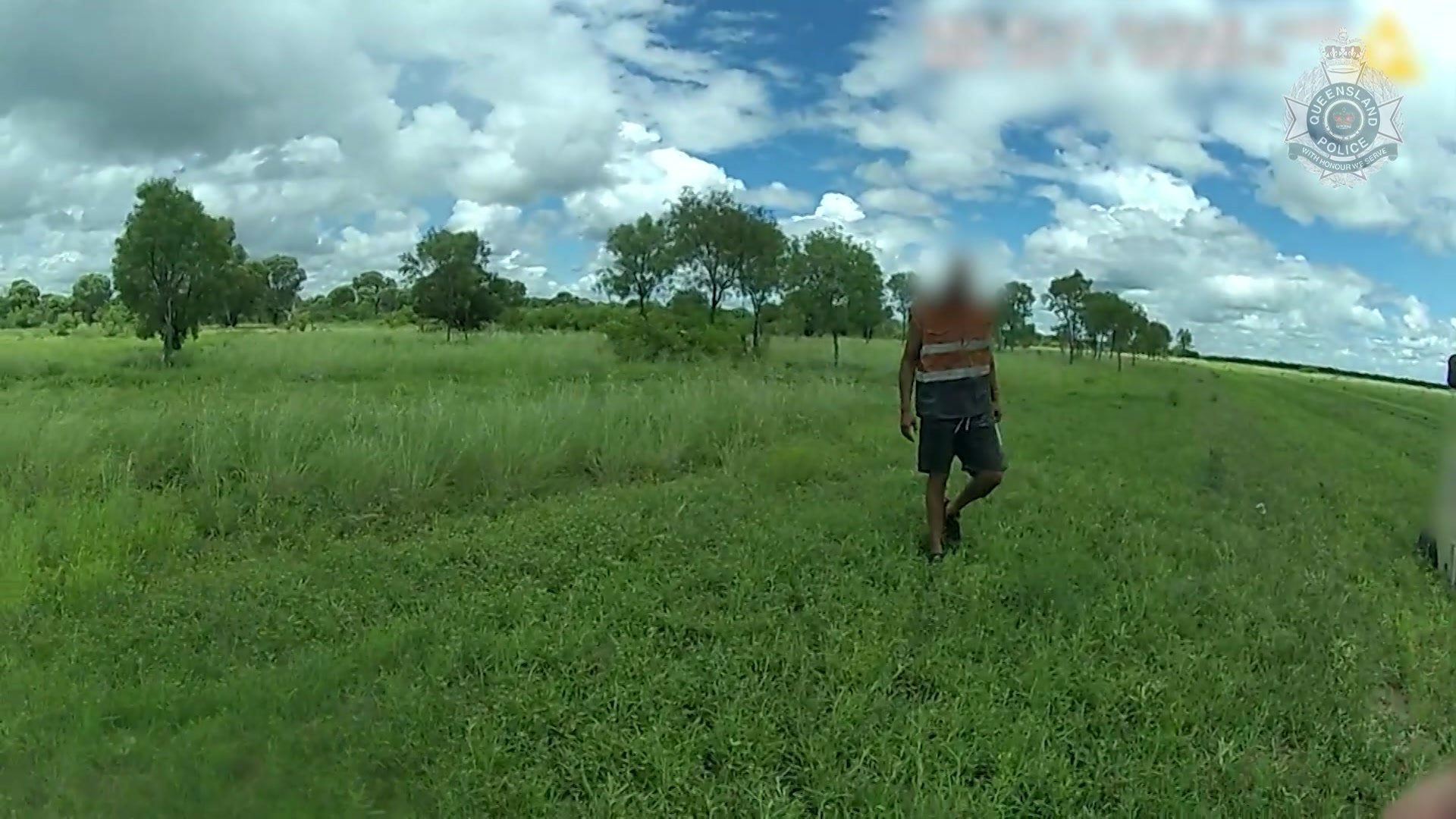
Footage shows Surtie’s remarkable bush skills, as he drew on his extensive knowledge of the outback to endure the extreme conditions. His employer praised his “remarkable strength, a true bushman’s ability, and the presence of mind to ensure his own survival.”
Analysis: What This Means for Australia
This incredible survival story highlights the importance of preparedness and bush skills when venturing into remote areas of Australia. Surtie’s ordeal reinforces long-standing police advice that your best chance of survival in the outback is to stay with your vehicle. As Acting Inspector Jessica Securo said, “Each person is different as to their skill level of surviving in the bush, but … you are best off remaining with your car. It’s far easier for an aerial search to locate a vehicle than it is a person.”
Security analysts say that this incident also underscores the need for improved emergency response systems in remote areas, where access to medical care and communication networks can be limited. “This rescue operation demonstrates the importance of community engagement and cooperation in emergency situations,” said one expert.
Law enforcement insiders warn that the outback can be a deadly environment for those who are unprepared, and that Surtie’s survival is a testament to his skills and experience. “This incident serves as a reminder to all Australians to be prepared and take necessary precautions when venturing into remote areas,” said another expert.
Industry observers believe that this incident will lead to a renewed focus on bush safety and emergency preparedness in Australia. “This incredible survival story will undoubtedly raise awareness about the importance of bush skills and emergency preparedness in remote areas,” said one observer.