
Australian Exporters on Tenterhooks as US Supreme Court Decision Looms: Will They Get Back $1.4 Billion in Tariffs?
- Australian exporters could be owed more than $1.4 billion in refunds if US Supreme Court rules Trump’s tariffs unlawful
- Decision could have major implications for Australian businesses, with some already feeling the pinch
- Experts warn that even if tariffs are struck down, exporters may not get automatic refunds and may need to take action to claim their money back
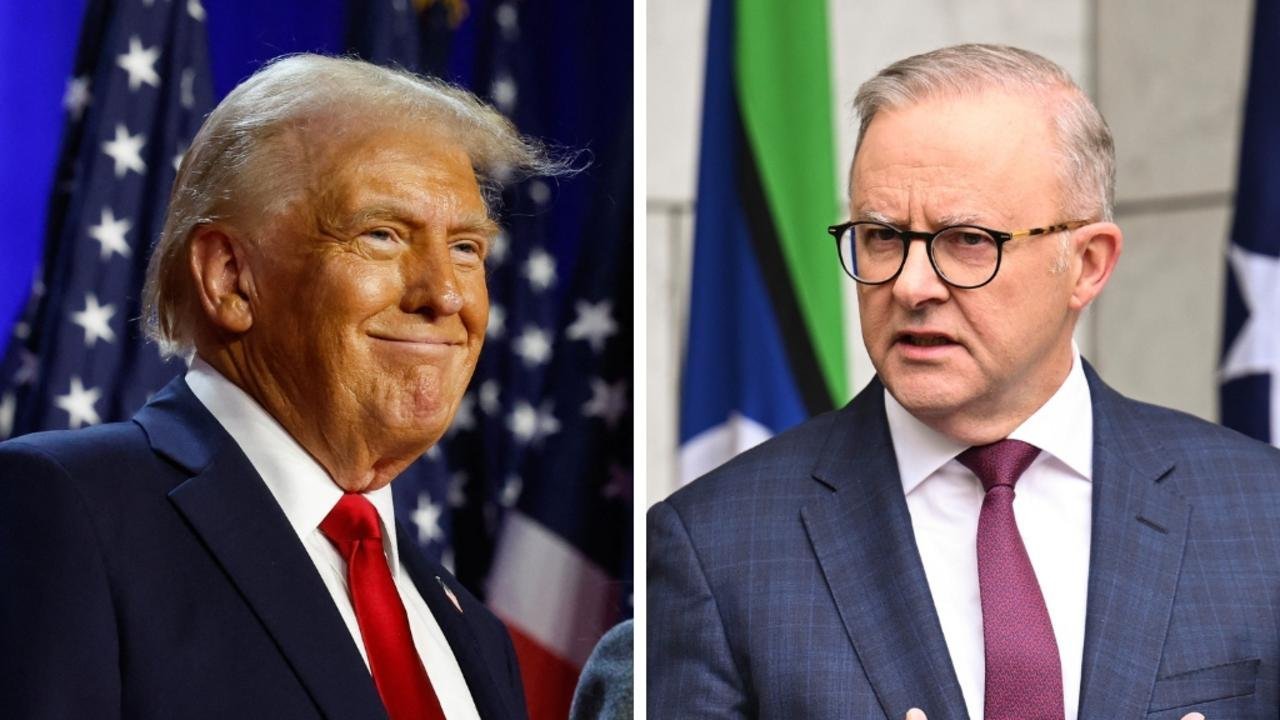
The Australian export industry is holding its breath as the US Supreme Court prepares to make a landmark decision on the legality of President Donald Trump’s trade tariffs. The ruling, expected in the early hours of Saturday morning, could have major implications for Australian businesses, with some already feeling the pinch of the tariffs.
The tariffs, imposed on most Australian goods last April, have been a major blow to exporters, with many forced to absorb the 10 per cent duty or pass it on to customers. According to modelling by EY Australia, if the tariffs are ruled unlawful, Australian exporters could be owed more than $1.4 billion in refunds.
But it’s not just the refunds that are at stake. The decision could also have a significant impact on the future of Australian trade with the US. Luke Branson, partner at EY Australia, says the tariffs have already had a major impact on Australian businesses, particularly in the manufacturing and agricultural sectors.
“The sectors most affected by the IEEPA tariffs include manufactured goods like industrial machinery and medical devices, and agricultural exports such as beef, beverages and horticulture,” Mr Branson said.
One company that has been hit hard by the tariffs is Vekta, a Perth-based manufacturer of robotic machinery used to build homes in the US. Managing director Ed Serrano says the company has had to partly absorb the 10 per cent tariffs on its multi-million-dollar orders, resulting in a direct cost to the business of hundreds of thousands of dollars.
“The direct cost to the business from those baseline tariffs is multiple hundreds of thousands of dollars,” Mr Serrano said. “It definitely has impacted our sales opportunities in the US.”
But even if the tariffs are struck down, experts warn that exporters may not get automatic refunds. “They’ll have to lodge a claim in effect where they’ve calculated the duties that they have paid,” Mr Branson said. “There’s no automatic refund.”
Furthermore, there are concerns that the Trump administration may seek to avoid paying back exporters, even if the court rules in their favour. “There’s a lot of talk by legal analysts in the United States that the president might impose other measures … under other legal avenues, lawful legal avenues that he has used in the past, to basically backdate tariffs so that he doesn’t have to provide refunds,” Mr Branson said.
Analysis: What This Means for Australia
The implications of this decision go far beyond the immediate financial impact on Australian exporters. It has significant implications for national security, law enforcement, and the economy as a whole. Security analysts say that if the tariffs are ruled unlawful, it could undermine the US’s ability to impose tariffs in the future, which could have significant implications for Australia’s trade relationships.
Law enforcement insiders warn that the decision could also have implications for the country’s ability to protect its borders, as tariffs are often used as a tool to prevent the importation of goods that pose a national security risk.
Industry observers believe that the decision could also have significant economic implications, particularly if the US seeks to impose new tariffs in the future. “If the court rules in favour of the exporters, it could create a precedent that would limit the US’s ability to impose tariffs in the future,” said one observer.
Ultimately, the decision will have far-reaching implications for Australian businesses and the economy as a whole. As Ed Serrano from Vekta said, “I can’t say that I’ve heard of anything that the Australian government has done to help alleviate this problem for Australian manufacturers.”
It’s a sentiment echoed by many in the industry, who are now waiting with bated breath for the Supreme Court’s decision.