
Australian Women and Children Trapped in Syria’s Al-Roj Camp as Tensions Rise Between Kurdish and Syrian Forces
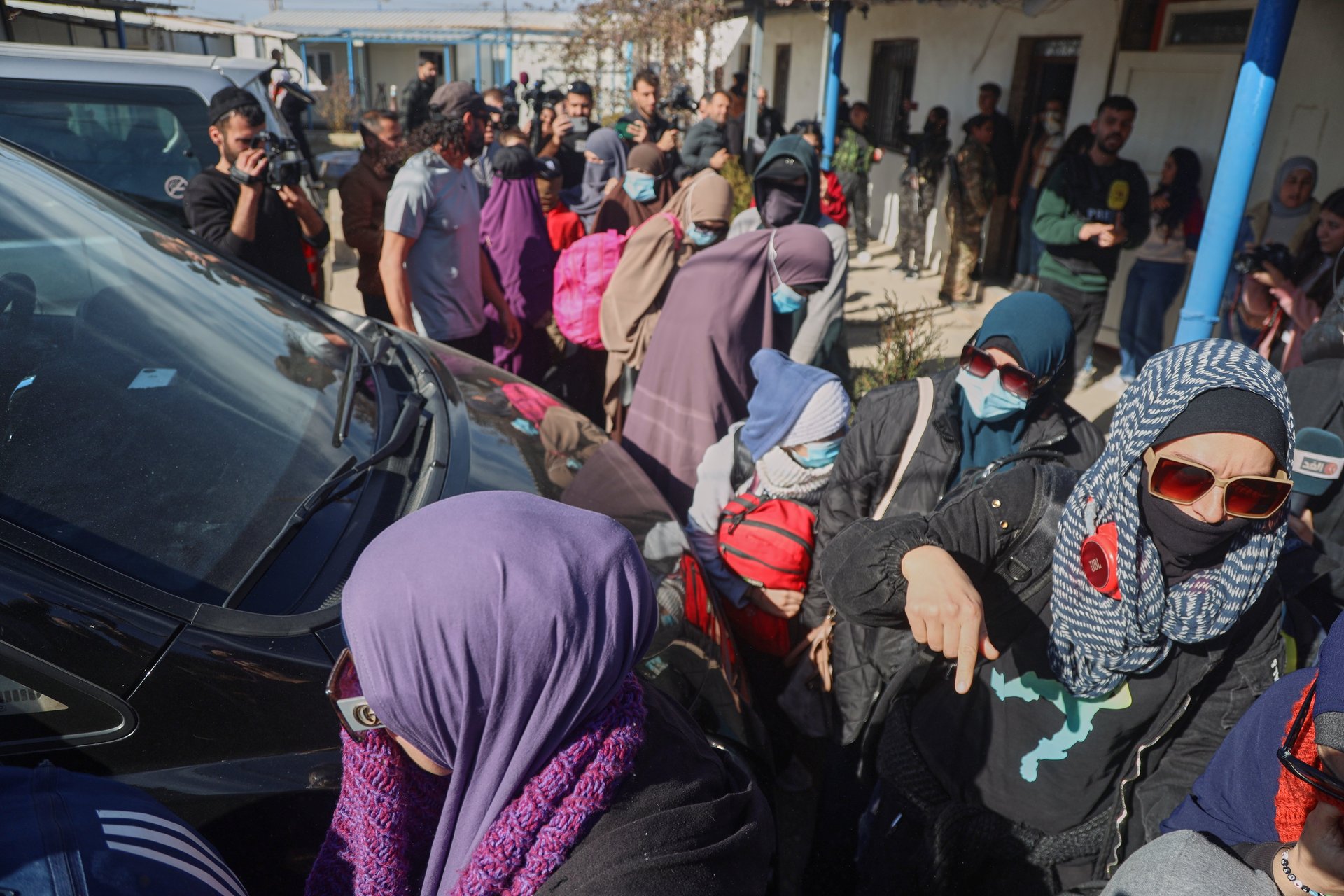
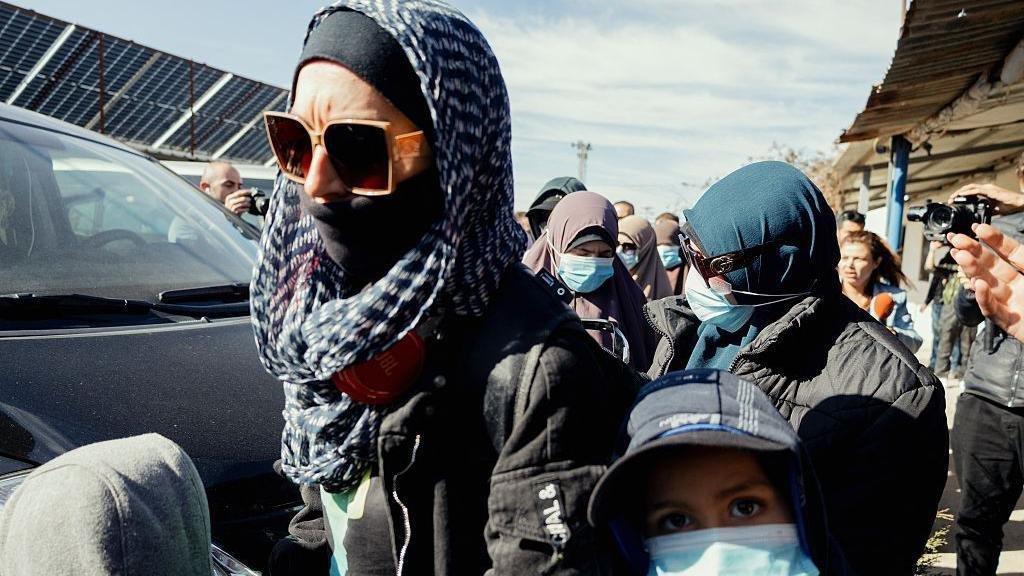
- 34 Australian women and children, including families of Islamic State fighters, are stuck in the Al-Roj camp, caught in a power struggle between Kurdish and Syrian forces.
- The camp’s days are numbered, with Syrian authorities planning to close it, and the fate of its detainees hanging in the balance.
- The women and children are caught in a dangerous game of cat and mouse, as Australia struggles to repatriate them amidst security concerns and political tensions.
The Al-Roj camp in northern Syria has become a symbol of the complex and treacherous landscape of the region. For years, it has housed thousands of people, including dozens of Australians, who are wives and children of Islamic State group fighters. But now, as the Kurdish-led Syrian Democratic Forces (SDF) hand over control to Syrian government forces, the future of the camp and its detainees is uncertain.
The SDF, which has controlled the camp, has been letting detainees with travel documents leave, but the journey to Australia has hit a roadblock. Syrian authorities have refused to let the group of 34 Australian women and children leave the Kurdish-held zone, citing a lack of coordination. The women and children are now caught in a power struggle that dates back many years, as the Syrian government seeks to consolidate its power over Kurdish-held territory.
The situation is further complicated by the fact that the Al-Roj camp is home to approximately 2,000 women and children, many of whom are living in dire conditions. Aid agencies have warned that the camp is growing increasingly dangerous, with inadequate access to food, clean water, and medical care. The Australian government has issued temporary travel documents to the 11 women and 23 children, but their journey to Australia is far from guaranteed.
The situation is a stark reminder of the consequences of the Syrian civil war, which has been raging for over a decade. The fall of the Islamic State group in 2019 led to a power vacuum, which the Kurdish-led SDF filled. But now, as the Syrian government seeks to reassert its control, the fate of the Al-Roj camp and its detainees hangs in the balance.
Security analysts say that the situation is a ticking time bomb, with the potential for violence and instability to escalate. “The closure of the Al-Roj camp is a recipe for disaster,” said one analyst. “It’s a powder keg waiting to be ignited, and the consequences for Australia and the region could be catastrophic.”
Analysis: What This Means for Australia
The situation at the Al-Roj camp has significant implications for Australia. The country has a moral obligation to its citizens, including those who have been detained in Syria. But the government’s handling of the situation has been criticized, with some arguing that it has failed to take decisive action to repatriate the women and children.
Law enforcement insiders warn that the delay in repatriating the women and children could have serious consequences for national security. “The longer they stay in Syria, the greater the risk of radicalization,” said one insider. “It’s a ticking time bomb, and the government needs to take action to get them out of there as quickly as possible.”
The situation also raises questions about Australia’s role in the region. The country has been a key player in the fight against Islamic State, but its involvement in Syria has been criticized for being half-hearted. Industry observers believe that the government needs to take a more proactive approach to addressing the root causes of the conflict, rather than simply reacting to its consequences.
As the situation at the Al-Roj camp continues to unfold, one thing is clear: the fate of the Australian women and children trapped in Syria is a matter of grave concern. The government needs to take decisive action to repatriate them, and to address the underlying causes of the conflict. Anything less would be a dereliction of duty.