
Death in the Outback: The Mysterious Demise of WA’s Iconic Salmon Gums Sparks Fears for the Future of the Great Western Woodland
- Kalgoorlie-Boulder resident Phil Stanley has been fighting for an investigation into the deaths of hundreds of salmon gum trees in the Great Western Woodland for over five years.
- The trees, an iconic symbol of Western Australia’s outback, are dying at an alarming rate, with some experts pointing to mining and burning activities as potential causes.
- The Great Western Woodland, considered a global biodiversity “hotspot”, is under increasing threat from human activities, with some warning that its very existence is at risk.
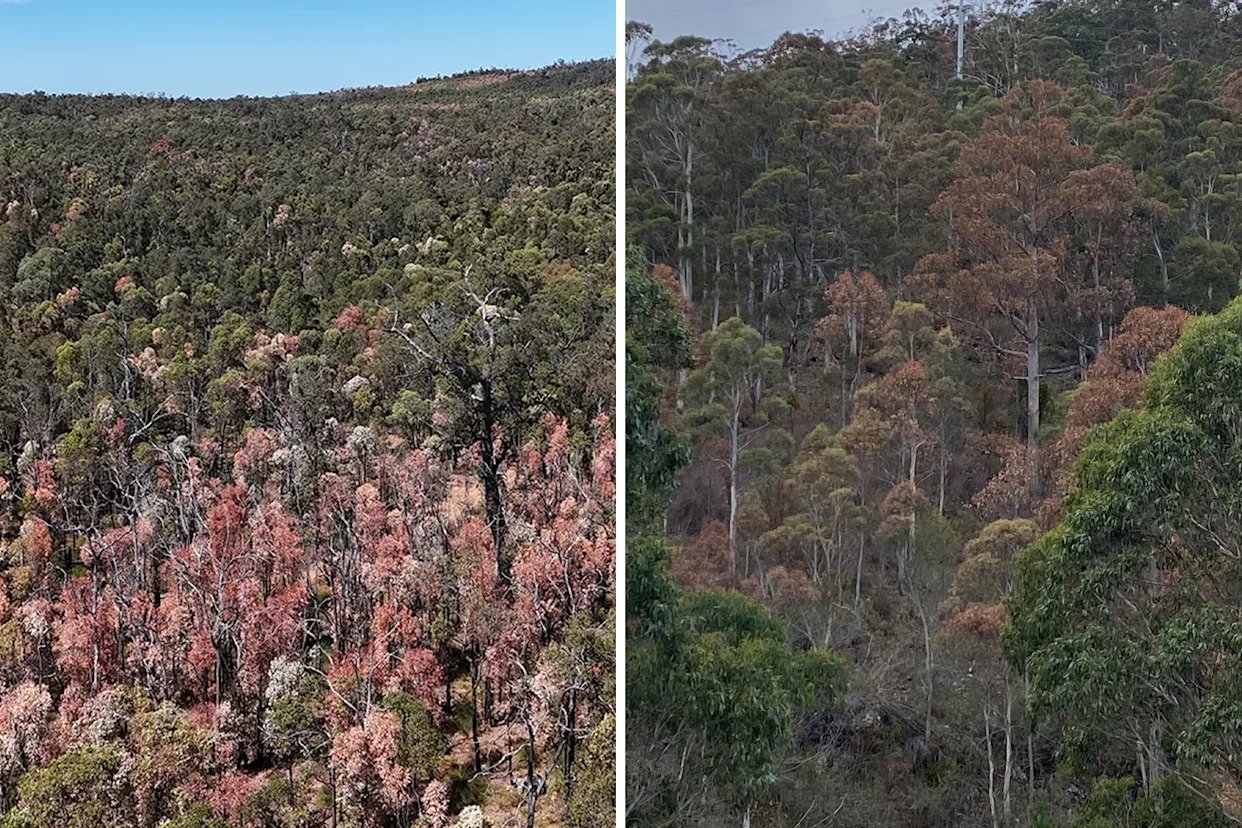
Deep in the heart of Western Australia’s outback, a mystery is unfolding. For years, Phil Stanley, a horticulturalist and local resident, has been sounding the alarm about the rapid decline of the iconic salmon gum trees in the Great Western Woodland. Despite his efforts, the cause of the deaths remains unknown, and Stanley is convinced that authorities are not taking the issue seriously enough.
The Great Western Woodland, stretching across almost 16 million hectares of WA’s south and southeast, is the largest temperate woodland on Earth. It’s a region of immense biodiversity, with some experts claiming it’s home to more species than the entire British Isles. But it’s also an area under immense pressure, with mining and burning activities posing a significant threat to its very existence.
Stanley first noticed the dying trees over 20 years ago, and has since been pushing for a thorough investigation into the cause. He’s not alone in his concerns. Kingsley Dixon, a botanist and restoration ecologist at the University of Western Australia, agrees that the situation is dire. “These concerns need to be listened to, and the evidence needs to be accumulated,” Dixon says.
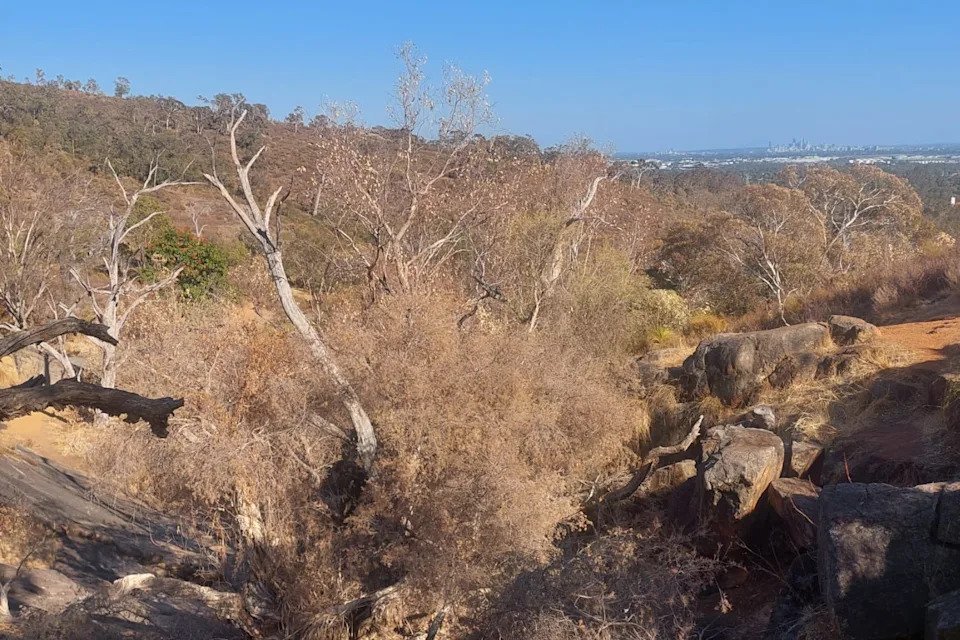
But despite the warnings, authorities seem reluctant to take action. Northern Star Resources, the company that owns the nearby Super Pit mine, has conducted two vegetation surveys, concluding that the deaths are likely caused by seasonal and rainfall variations. However, Stanley is unconvinced, pointing out that the surveys were conducted in 2011 and 2015, and that the situation has only worsened since then.
The Department of Biodiversity, Conservation and Attractions (DBCA) has also downplayed the issue, estimating that only around 100 trees are affected and attributing the decline to drying climatic conditions, disturbance to surface water flow patterns, and possible surface root damage associated with nearby road, rail, and utility corridors. But Stanley is adamant that the problem is far more widespread, and that the DBCA’s response is symptomatic of a broader disregard for the Woodland.
Analysis: What This Means for Australia
The decline of the salmon gum trees is not just an environmental issue; it’s also a national security concern. The Great Western Woodland is a critical part of Australia’s natural heritage, and its destruction would have far-reaching consequences for the country’s biodiversity and ecosystem. Moreover, the Woodland’s decline is a warning sign for the broader health of the environment, and the impact of human activities on the natural world.
As Australia continues to grapple with the challenges of climate change, the fate of the Great Western Woodland serves as a stark reminder of the need for sustainable practices and responsible resource management. The country’s mining industry, in particular, must take a more proactive role in mitigating its environmental impact, and ensuring that its activities do not come at the expense of the country’s natural heritage.
Security analysts say that the decline of the Woodland also has implications for Australia’s reputation as a responsible global citizen. As a country, we must take our environmental responsibilities seriously, and ensure that our pursuit of economic growth does not come at the expense of the planet.
Ultimately, the fate of the Great Western Woodland is a test of Australia’s commitment to protecting its natural heritage. It’s a challenge that requires immediate attention, and a willingness to take bold action to preserve one of the country’s most precious assets.